-
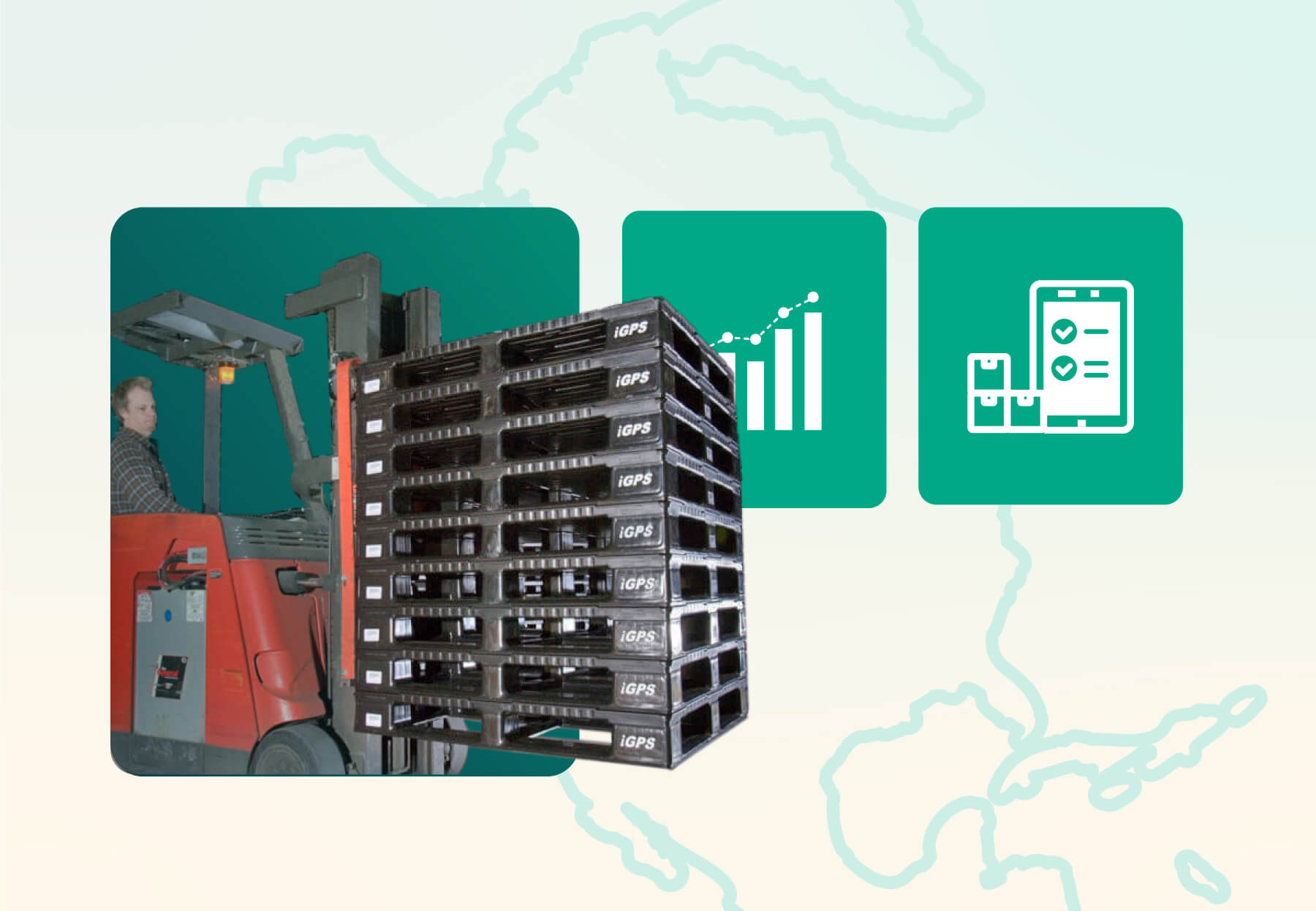
Renting Pallets | The Benefits of Pallet Rental vs Buying
Key Takeaways Pallets touch nearly every movement in the supply chain. They support products from production lines to warehouse floors, through transportation networks, and into retail environments. Despite their constant presence, pallets are often treated as background infrastructure, until problems arise. Broken boards, inconsistent sizes, excess empties, and retrieval challenges quietly slow operations, increase labor,…
-
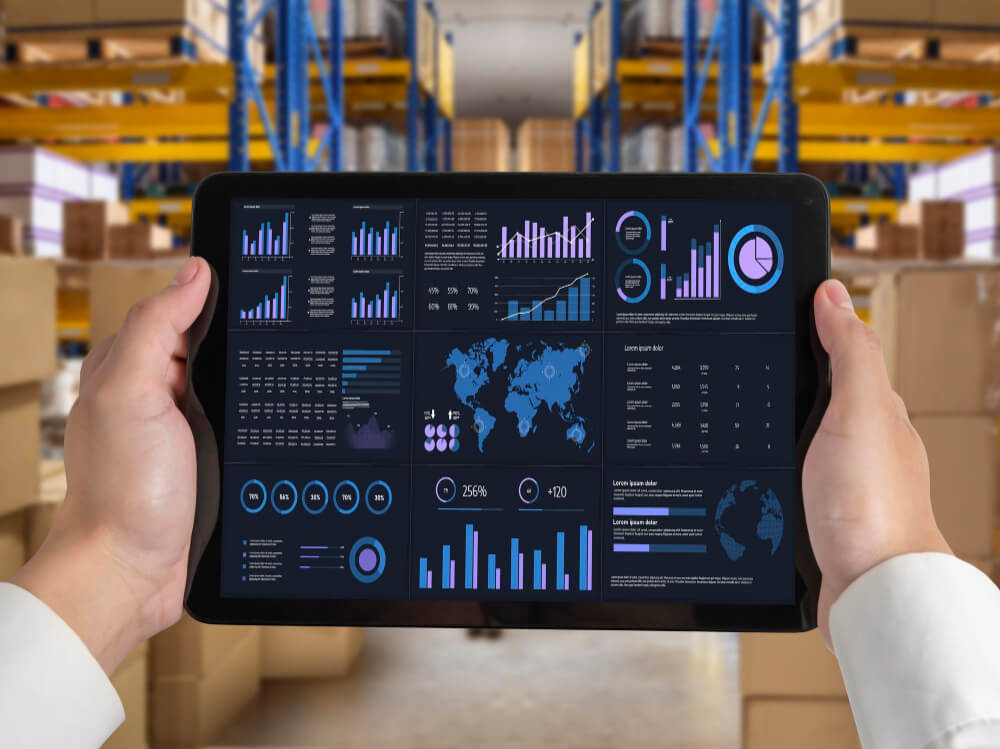
Future Supply Chain Management Trends: Looking Ahead to 2030
Key Takeaways: Supply chain management has always been about finding the right balance between efficiency, resilience, and cost. While that hasn’t changed, what is changing is how swiftly and effectively this balance can be achieved. As we look ahead, not only into 2026 but through the next five years, the key trend isn’t simply the…
-
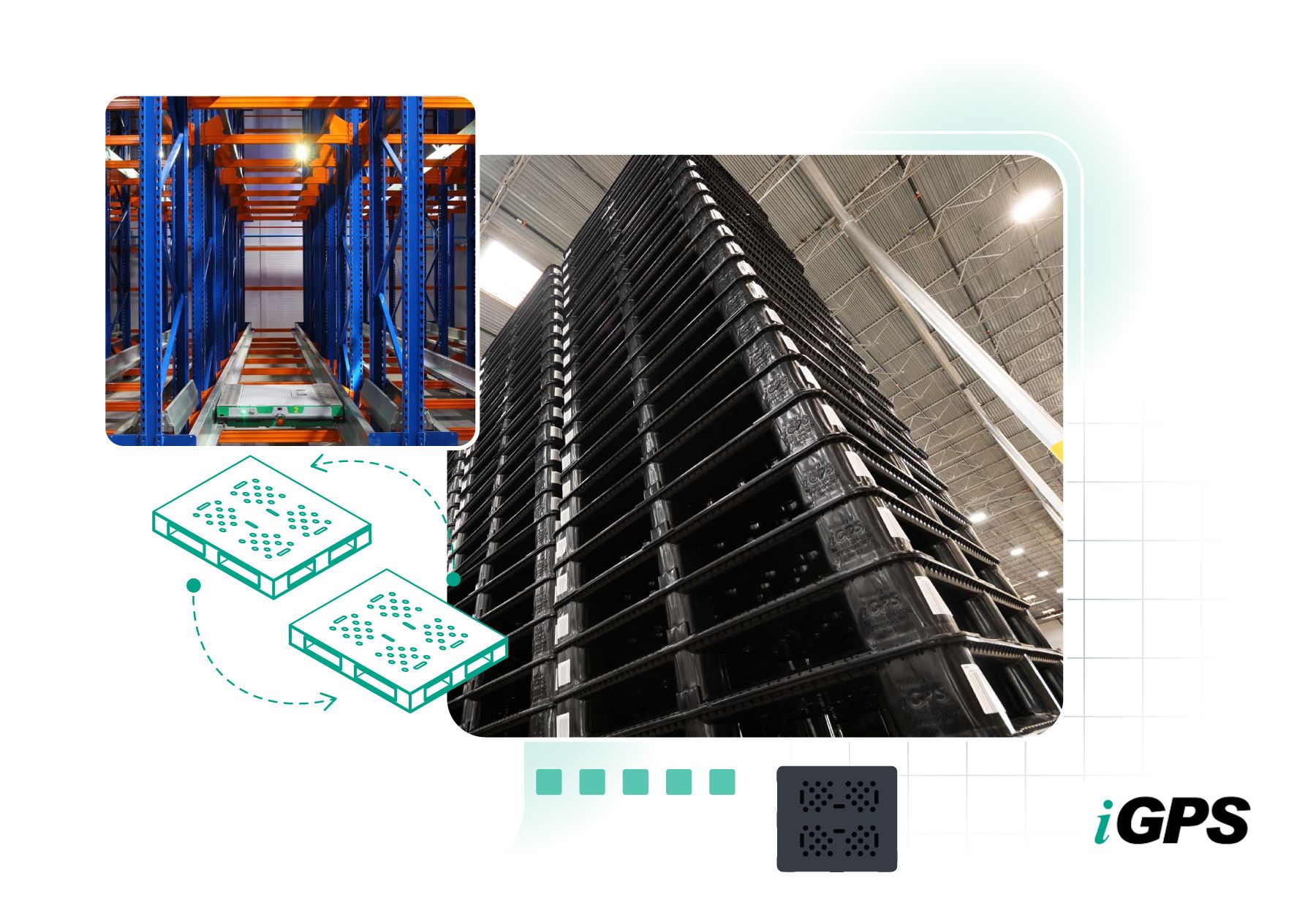
How to Organize Pallets in Warehouse
Key Takeaways Effective pallet organization and warehouse flow are foundational to modern supply chain performance. As order volumes rise and distribution networks grow more complex, warehouses must optimize how pallets are staged, stacked, and moved in order to stay competitive. Efficient pallet organization improves space utilization, reduces forklift travel time, minimizes congestion, and creates predictable…
-
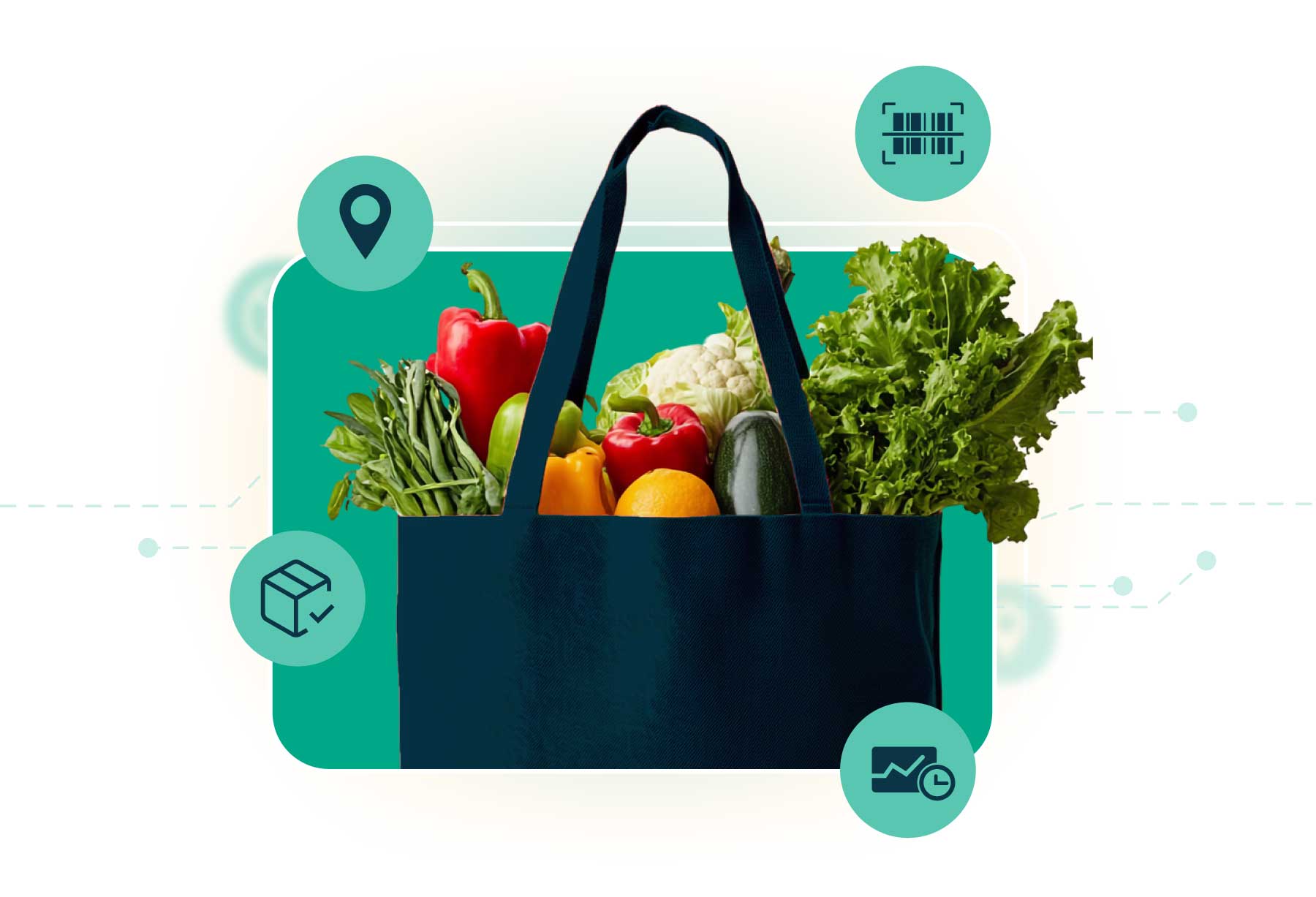
Traceability in the Food Supply Chain: Why Tracking Food Is Important and How to Do It
The modern food supply chain spans farms, processors, distributors, retailers, and international markets—making traceability more critical than ever. In 2024, the food and beverage industry saw over 740 recalls, more than double the previous year’s total. Under the FDA’s Food Traceability Rule (FSMA 204), companies must now record Critical Tracking Events (CTEs) and Key Data…
-
Pallet Storage Systems: Types, Challenges, and How to Improve Warehouse Efficiency
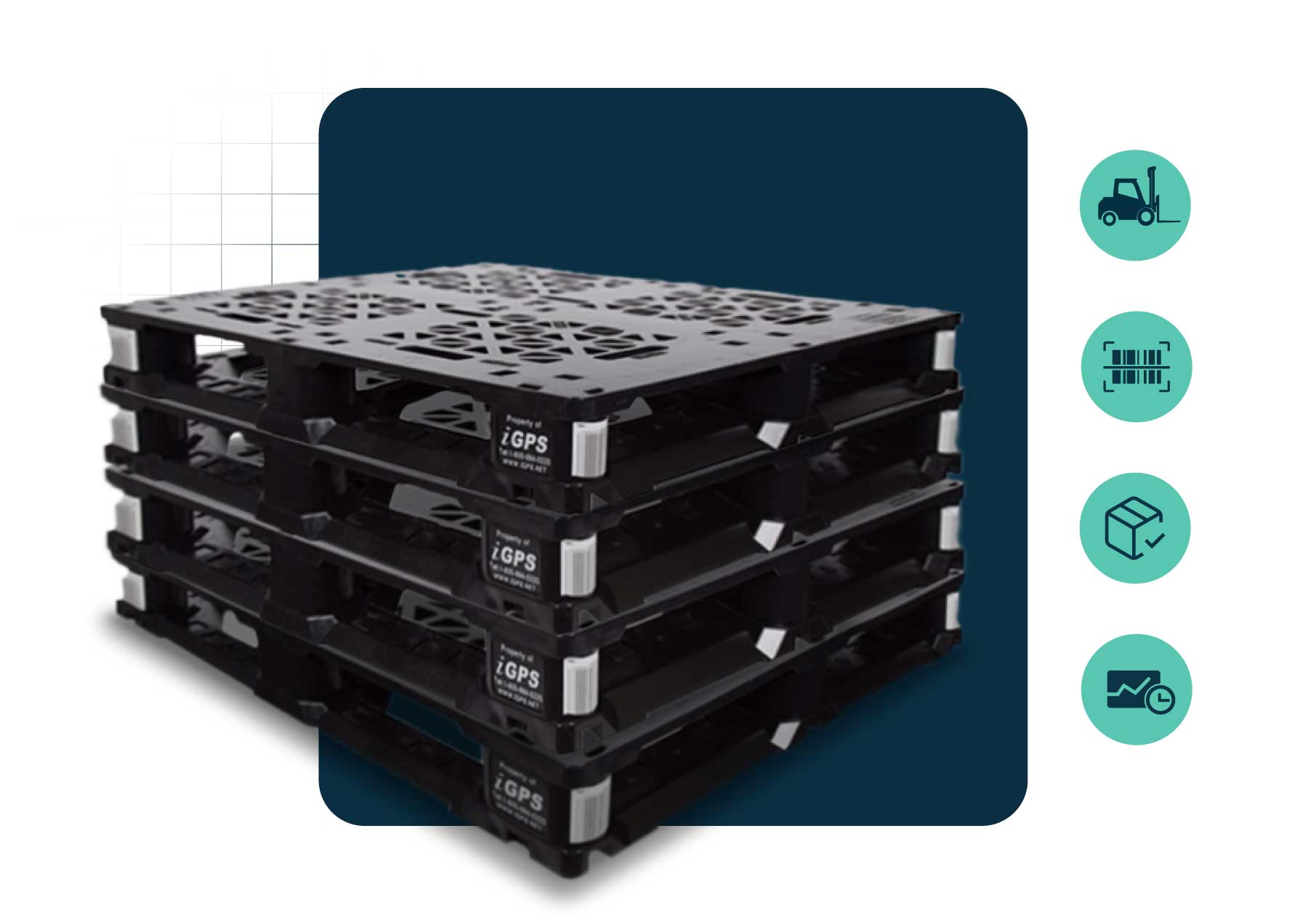
Key takeaways What Is a Pallet Storage System A pallet storage system is the setup a warehouse uses to organize, hold, and retrieve palletized goods. It helps facilities use space efficiently, keep products accessible, and support smooth movement through manual or automated handling. These systems may include static racks, drive-in lanes, pallet flow lanes, or…
-
Pallet Recycling | The Complete Guide
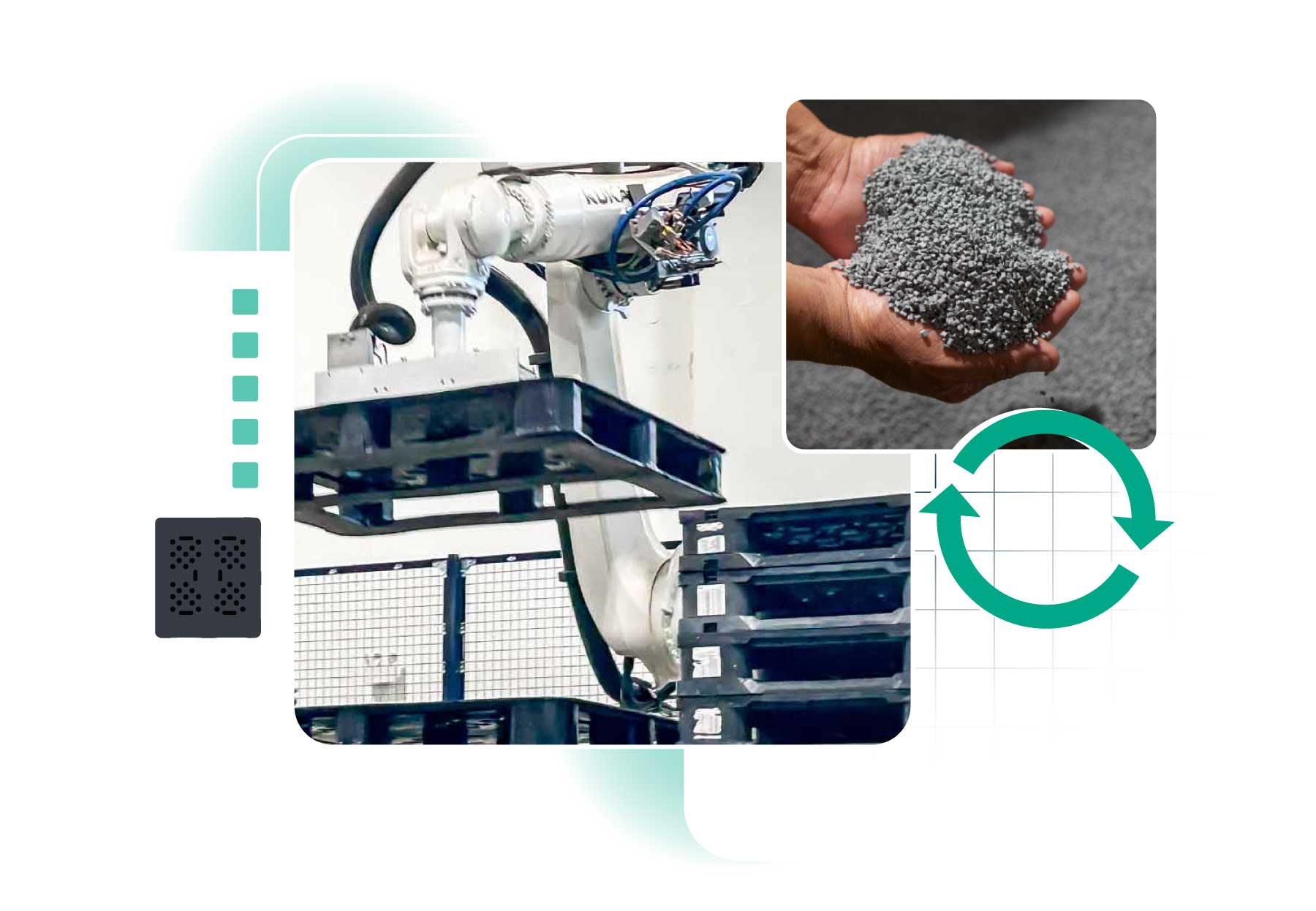
Key Takeaways Why Recycle Pallets Pallets move through supply chains constantly, and many become damaged, contaminated, or unusable over time. Without a clear plan to dispose or recycle them, unwanted pallets can accumulate behind warehouses or retail locations—creating safety concerns, fire risks, and unnecessary handling costs. Material recovery also plays a role in broader sustainability…
-
Understanding Tariffs and Their Ripple Effects Across the Supply Chain
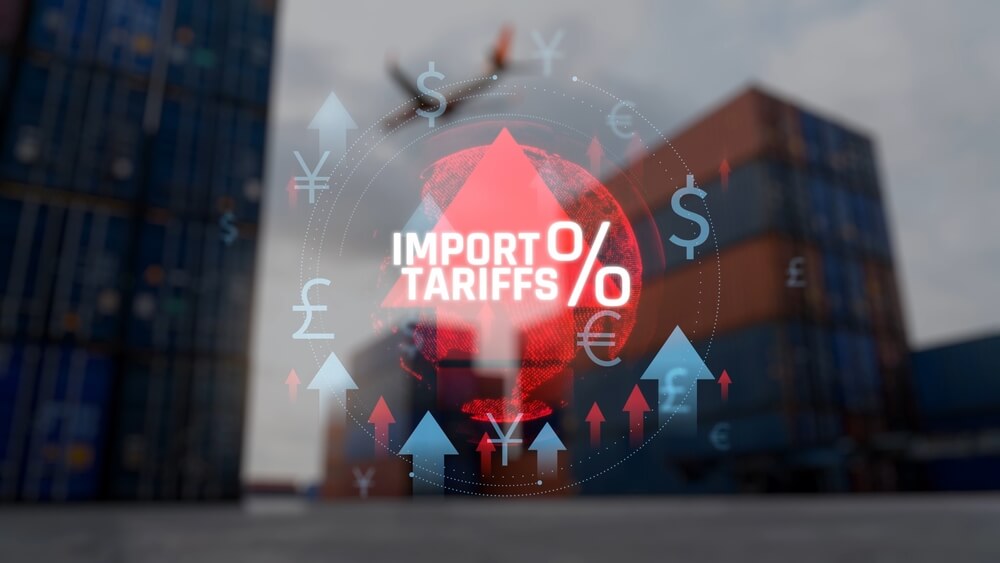
Key Takeaways Global trade is built on the idea that countries exchange goods and resources in ways that are mutually beneficial, including raw materials, agricultural commodities, and finished products. Governments use a variety of policy tools, including trade agreements, subsidies, and quotas, to influence how goods are imported and exported. These policy tools are used…
-
Importance of Supply Chain Transparency
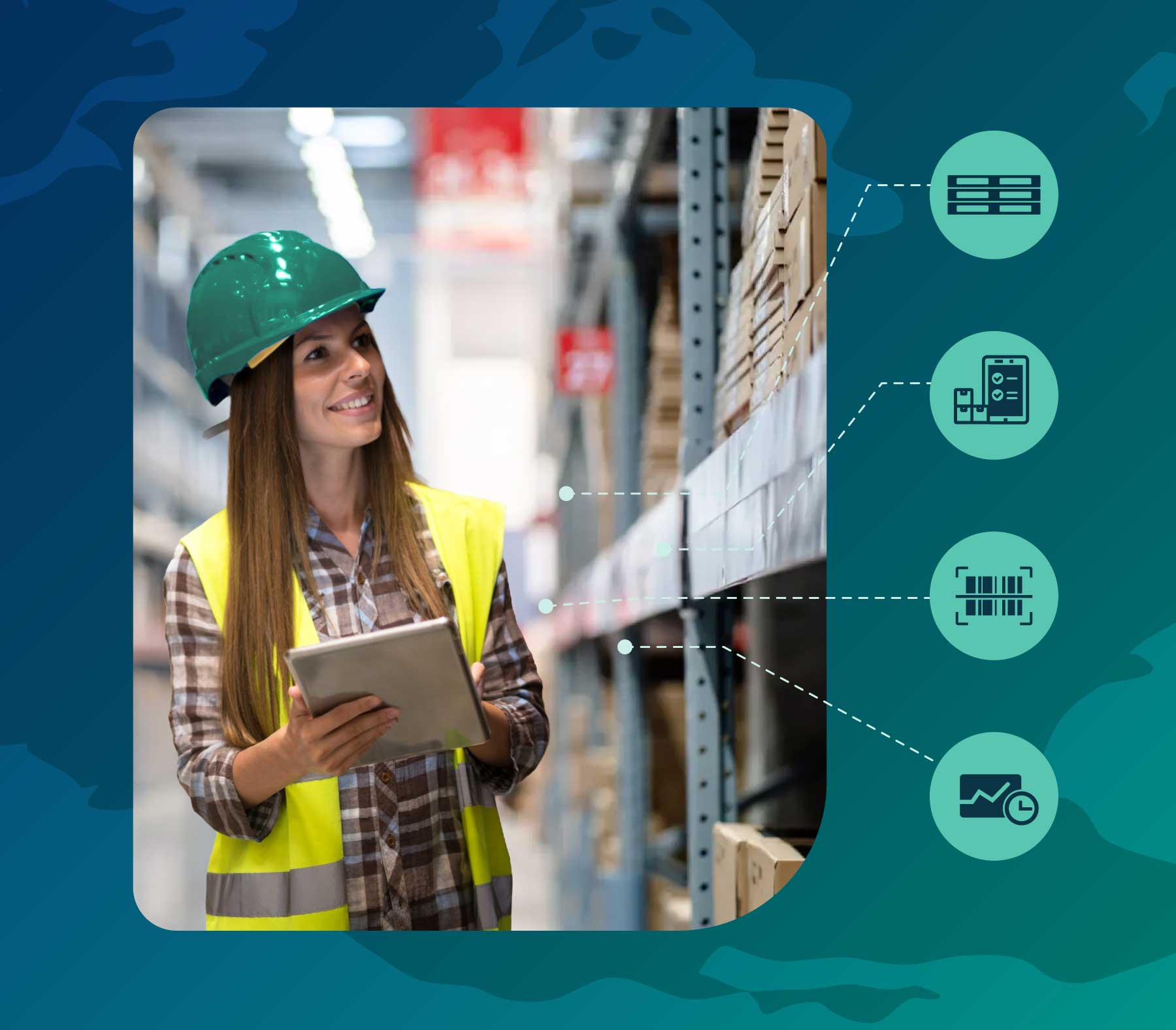
Key Takeaways: What is Supply Chain Transparency? Supply chain transparency means knowing, and showing, where products come from, how they’re made, and how they move through each stage of production and delivery. It gives companies and consumers clear visibility into sourcing, labor practices, and environmental impact. True transparency relies on data. Technologies like RFID, blockchain, and…
-

How to Build an Ethical Supply Chain (and Why)
Key Takeaways Ethical supply chains are no longer a brand differentiator—they’re the new business standard. As global logistics grow more complex, companies face rising expectations to operate transparently, reduce environmental impact, and uphold fair labor practices. The Edelman Trust Barometer 2024 reports that 63% of consumers say their brand choices reflect their social values. This…
-
Why Food Traceability Is Important
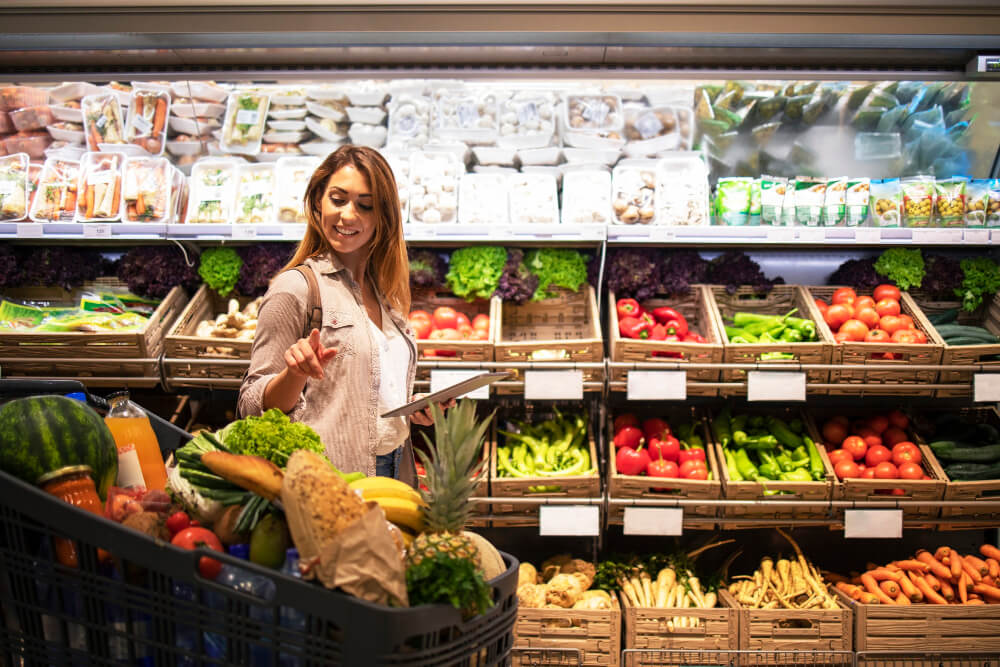
The modern food supply chain spans farms, processors, distributors, retailers, and international markets—making traceability more critical than ever. In 2024, the food and beverage industry saw over 740 recalls, more than double the previous year’s total. Under the FDA’s Food Traceability Rule (FSMA 204), companies must now record Critical Tracking Events (CTEs) and Key Data…
-

How to Make the Most of Supply Chain Automation
Key Takeaways What Is Supply Chain Automation? Supply chain automation uses machines, sensors, and software to move, track, and manage goods with less manual effort. It replaces repetitive work with connected systems that record and share data in real time. Automation connects suppliers, warehouses, and distributors through one digital network. Robots handle material movement, RFID…
-

5 Pharmaceutical Supply Chain Best Practices
The pharmaceutical supply chain is an intricate, highly regulated system that ensures life-saving medicines reach patients on time and in full compliance. Because drug supply chains are so complex and sensitive, even a small disruption, whether from geopolitical events, material shortages, or regulatory delays, can trigger drug shortages, stockouts, and price fluctuations across the healthcare…