Key Takeaways
- Sustainability depends on how pallets are designed, reused, and recovered, not on material alone.
- Durable, reusable pallets reduce waste, emissions, and replacement demand over time.
- Plastic becomes sustainable when used in closed-loop, pooled systems rather than single-use applications.
- iGPS plastic pallets support sustainability through recycled content, long service life, hygiene, and full recyclability.
- Pallet pooling, digital tracking, and lifecycle accountability are shaping the future of sustainable logistics.
Plastic is one of the most debated materials in modern sustainability conversations. Its petroleum-based origins and long lifespan in the environment have made it a target of criticism, especially as single-use plastic waste continues to accumulate globally. Addressing the plastic waste problem requires solutions that prevent plastic pollution by keeping materials in controlled, reusable systems, not eliminating plastic from the supply chain.
However, sustainability is not defined solely by material. It is defined by how a material is sourced, used, reused, and recovered. When evaluated through that lens, plastic is not only capable of being sustainable, it also plays a necessary role in building efficient, lower-impact supply chains.
The question is not whether plastic can be sustainable.
The question is how plastic is designed and managed over its full lifecycle.
What Makes a Pallet Sustainable?
A sustainable pallet is not determined by a single attribute. It is the result of multiple performance factors working together to reduce environmental impact over time.
Durability
Longevity is one of the most important sustainability metrics. A pallet that lasts for many trips reduces the need for replacement, repair, and disposal. Frequent breakage increases waste, labor, and transportation emissions. Efficient resource use depends on durable designs that reduce replacement, manufacturing demand, and waste over time.
Recyclability
A sustainable pallet must be recyclable at the end of life, not landfilled or downcycled into low-value waste. Closed-loop recyclability, where old pallets become new pallets, keeps materials in circulation and reduces demand for virgin resources.
This distinction matters. Global data shows that only about 9% of plastic waste is recycled, largely because most plastic is designed for single-use rather than recovery and reuse. Closed-loop systems change that outcome by keeping durable plastic assets in controlled circulation instead of unmanaged waste.
Material Source
Material sourcing matters. Pallets made with recycled content reduce reliance on virgin raw materials and help divert post-consumer plastic from landfills and waterways.
Energy Consumption
Freight transportation accounts for nearly 30% of U.S. transportation greenhouse gas emissions, making weight reduction and load efficiency critical sustainability levers.
Lighter pallets reduce fuel use during transportation. Fewer replacements and repairs also lower the energy required for manufacturing and logistics over the pallet’s lifecycle.
Sustainability improves when pallets are designed for reuse, recovery, and consistency, not single-use or short-term performance.
True pallet sustainability emerges when durability, recyclability, material sourcing, and energy efficiency work together across the pallet’s full lifecycle, not when any single factor is considered in isolation.
Plastic vs. Wood: The Sustainability Debate
Wood is often perceived as the more “natural” option, but sustainability depends on outcomes—not assumptions.
Wood pallets:
- Require continuous harvesting of hardwood and softwood
- Break frequently, generating debris and waste
- Often end up landfilled due to contamination or damage
- Require ongoing repair, replacement, and disposal
Plastic pallets:
- Last significantly longer
- Are lighter, reducing transportation emissions
- Do not splinter or shed debris
- Can be recycled repeatedly into new pallets
Plastic’s sustainability challenge is not durability; it is the single-use application. When plastic is discarded after minimal use, its longevity becomes a liability. When reused at scale, tracked, recovered, and recycled, that same durability becomes a measurable environmental advantage.
Sustainability is not about avoiding plastic; it is about using plastic responsibly. Sustainable alternatives must be measured by outcomes, not perception. Eco-friendly solutions reduce waste, emissions, and resource consumption over time.
Future Trends and Certifications
Sustainability expectations for pallets and material-handling platforms are evolving quickly as supply chains face tighter regulations, higher transparency demands, and greater pressure to reduce waste and emissions.
Lifecycle tracking, emissions reporting, and participation in the circular plastics economy are becoming baseline requirements for sustainable solutions in modern supply chains.
Stronger Sustainability Standards
Manufacturers, retailers, and logistics providers are increasingly expected to demonstrate compliance with recognized sustainability and safety standards. These include fire safety requirements, hygiene expectations in food and beverage environments, and lifecycle-based sustainability reporting. Pallets that support reuse, recyclability, and reduced environmental impact over time are better positioned to meet these expectations than single-use or short-lived alternatives.
Growth of Pallet Pooling and Circular Models
Pallet pooling continues to expand as companies move away from ownership models that generate excess waste, repairs, and disposal challenges. Pooling supports circular supply chains by keeping pallets in continuous use, recovering them after each trip, and recycling them at end of life. This shared, managed approach aligns with broader corporate sustainability goals and reduces the environmental impact associated with pallet loss and landfill disposal.
This shift mirrors broader sustainability research. Recent reporting shows that reuse-based systems can reduce material waste by up to 90% and cut greenhouse gas emissions by as much as 80% compared to single-use models. These findings reinforce why circular, pooled platforms are becoming central to modern sustainability strategies.
Digital Tracking and RFID Visibility
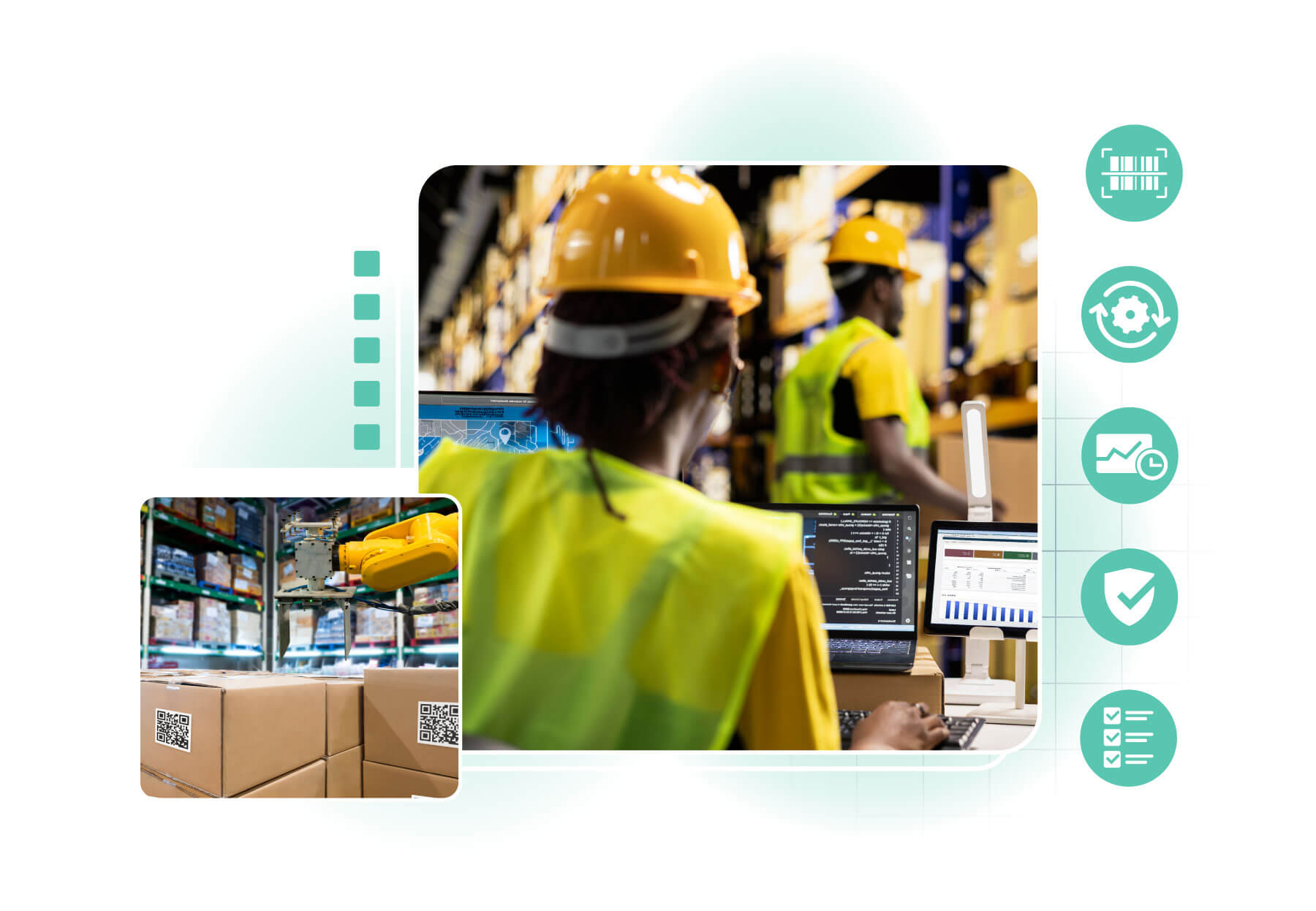
Digital tracking is becoming a foundational element of sustainable logistics. RFID-enabled pallets provide real-time visibility into pallet movement, location, and usage cycles. This data helps reduce loss, improve asset utilization, and support accurate sustainability reporting by documenting reuse rates, recovery, and lifecycle performance. As traceability and data-driven decision-making become more important, digitally trackable pallets are increasingly viewed as a sustainability enabler—not just an operational tool.
Together, these trends point to a future where sustainable pallets are not defined by material alone, but by how they are tracked, reused, certified, and recovered within a closed-loop system.
Top Reasons Why iGPS Plastic Pallets Are Sustainable
Plastic pallets can vary widely in sustainability depending on how they are produced and managed. iGPS plastic pallets are designed specifically to support circular, low-waste supply chains.
Closed-Loop System
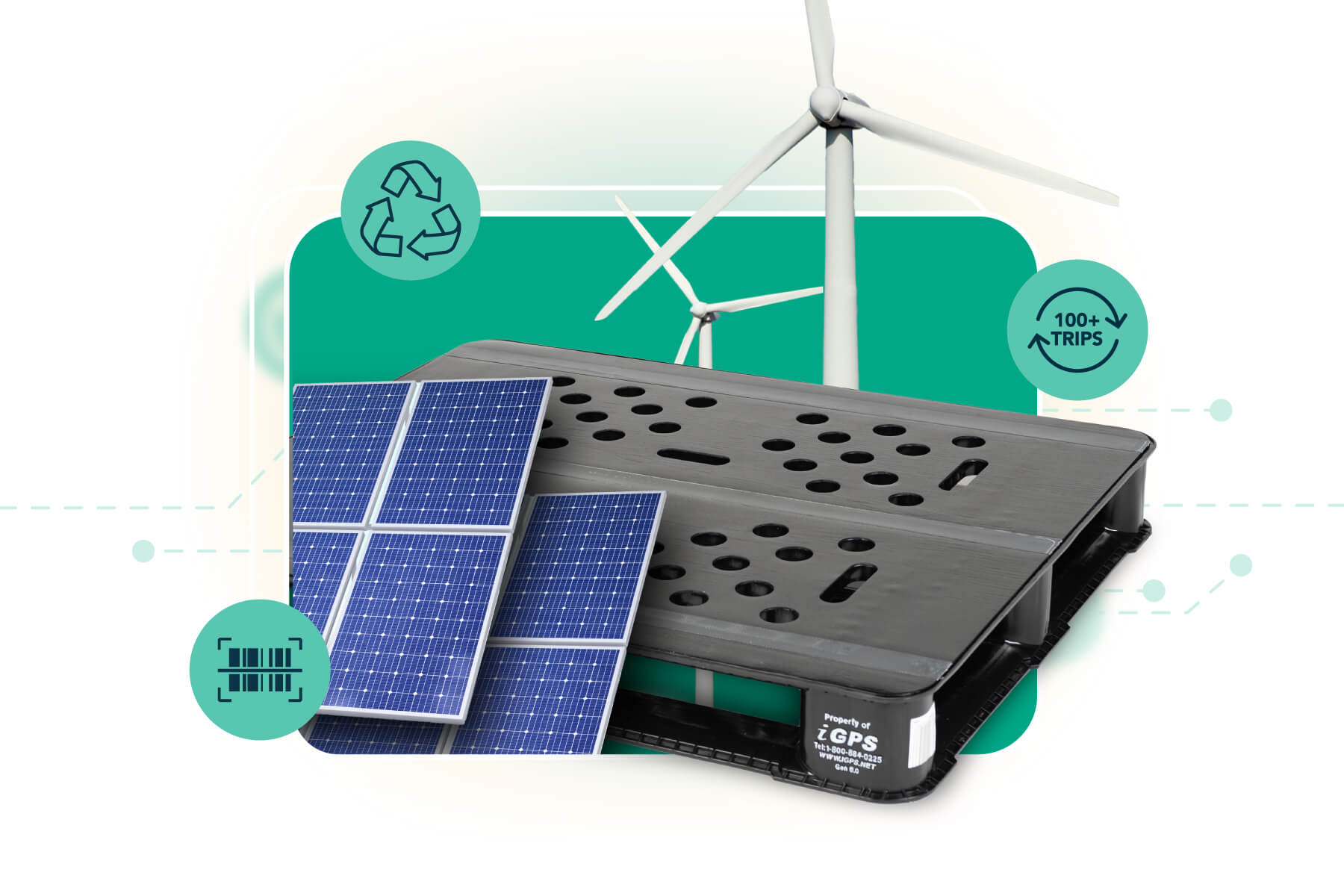
iGPS operates a closed-pooling model. Pallets are rented, recovered, inspected, repaired, and recycled at end of life, eliminating landfill disposal and unmanaged waste.
Recycled Content
iGPS pallets are manufactured using recycled plastic, including post-consumer material. This extends the useful life of plastic already in circulation and reduces demand for new raw materials.
Longevity
Plastic pallets can complete 100+ trips before recycling. Longer service life means fewer pallets produced, fewer replacements, and less waste over time compared to short-lived alternatives.
Hygiene
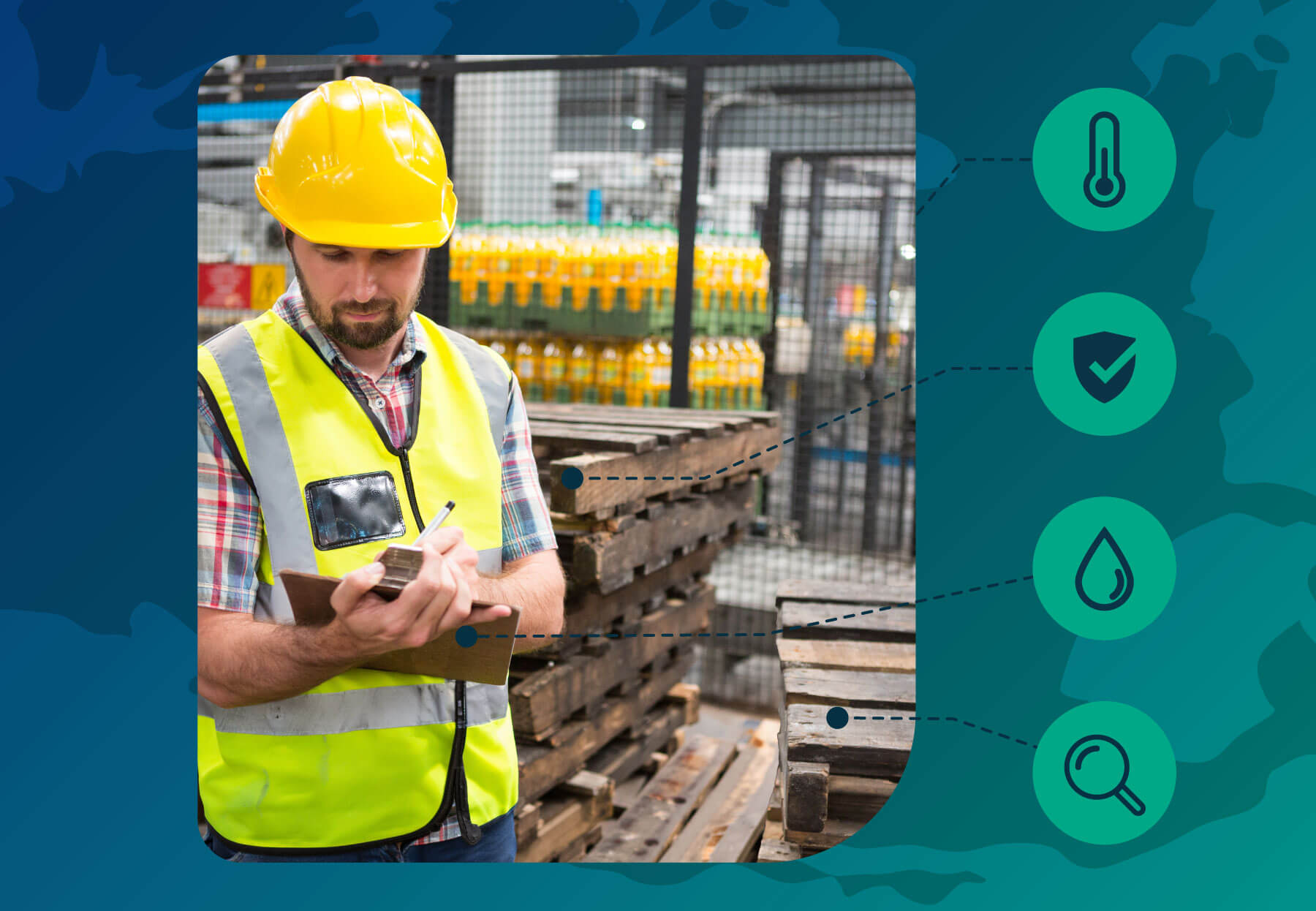
Plastic pallets are non-porous and resist moisture, mold, and bacteria. They are easier to clean and sanitize, reducing product loss and contamination-related waste, especially in food and beverage supply chains.
Together, these attributes demonstrate how plastic pallets can support sustainability when paired with responsible lifecycle management.
Conclusion
Plastic’s role in sustainability depends on design, usage, and accountability. When plastic is treated as disposable, it creates environmental harm. When it is treated as a durable asset within a closed-loop system, it becomes a tool for reducing waste, emissions, and inefficiency.
Plastic pallet pooling demonstrates how plastic supports sustainability through reuse, recovery, and recyclability. By extending material life, reducing transportation impact, and eliminating landfill waste, pooled plastic pallets provide a practical, scalable model for more sustainable supply chains.
FAQ
How strong are plastic pallets?
Yes, high-performance plastic pallets are engineered to meet and exceed the strength requirements of modern supply chains.
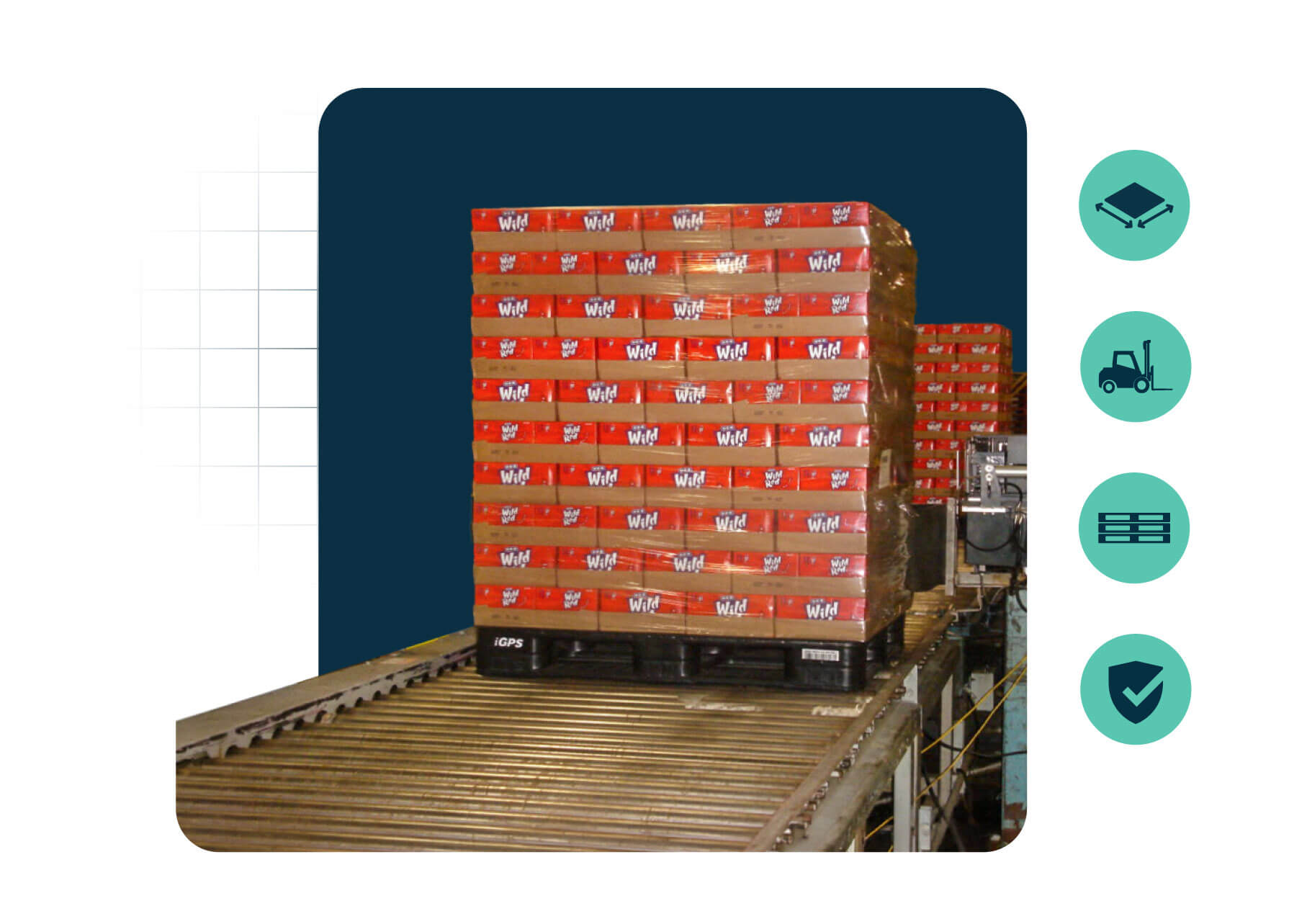
For example, iGPS plastic pallets are made from High-Density Polyethylene (HDPE) and are designed to support up to 30,000 pounds in static load, 5,000 pounds dynamically while in motion, and 2,800 pounds edge-rackable with proper rail support. This makes them suitable for heavy, high-density loads in food, beverage, and pharmaceutical environments.
What sets plastic pallets apart is how that strength is delivered. HDPE flexes under stress rather than cracking or splintering, while uniform weight, consistent dimensions, chamfered edges, and rounded forklift openings reduce damage during handling. As a result, iGPS pallets routinely achieve 100+ real-world trips—far exceeding the lifespan of typical wood pallets.
Despite their strength, iGPS plastic pallets weigh about 50 pounds, roughly 35% lighter than wood block pallets, helping reduce handling strain, equipment wear, and transportation weight without sacrificing performance.
How do plastic pallets reduce waste in the supply chain?
Plastic pallets reduce waste by lasting significantly longer than wood pallets and remaining in circulation through reuse, recovery, and recycling. Fewer replacements mean less material discarded, fewer repairs, and less debris generated in warehouses and distribution centers.
Do plastic pallets contribute to plastic pollution?
Plastic pallets are not a major contributor to plastic pollution when used in closed- pooling systems. Unlike single-use plastics, pooled pallets are tracked, recovered after each trip, and recycled at end of life, preventing them from entering landfills or the environment.
Are plastic pallets part of the circular plastics economy?
Yes. Plastic pallet pooling is a practical example of the circular plastics economy. Pallets are manufactured with recycled material, reused across many trips, and recycled into new pallets, keeping plastic in productive use rather than becoming waste.
Are biodegradable pallets a better sustainable alternative?
Biodegradable pallets can play a role in limited applications, but they often lack the durability needed for modern supply chains. Sustainable solutions depend on longevity, reuse, and recoverability—not just material composition.
Sustainability in supply chains depends on using durable materials responsibly and keeping them in circulation. iGPS plastic pallet pooling combines recycled content, long service life, and closed- recovery to reduce waste, emissions, and operational inefficiencies. To learn how iGPS plastic pallets support more sustainable logistics, call 1-866-983-3874, email switch@igps.net, or visit the contact page.