Key Takeaways
- Transportation efficiency depends on both mode selection and the consistency of the platforms moving freight.
- Heavier, inconsistent pallets raise fuel consumption, limit payload capacity, and increase handling risk across road, rail, air, and ocean networks.
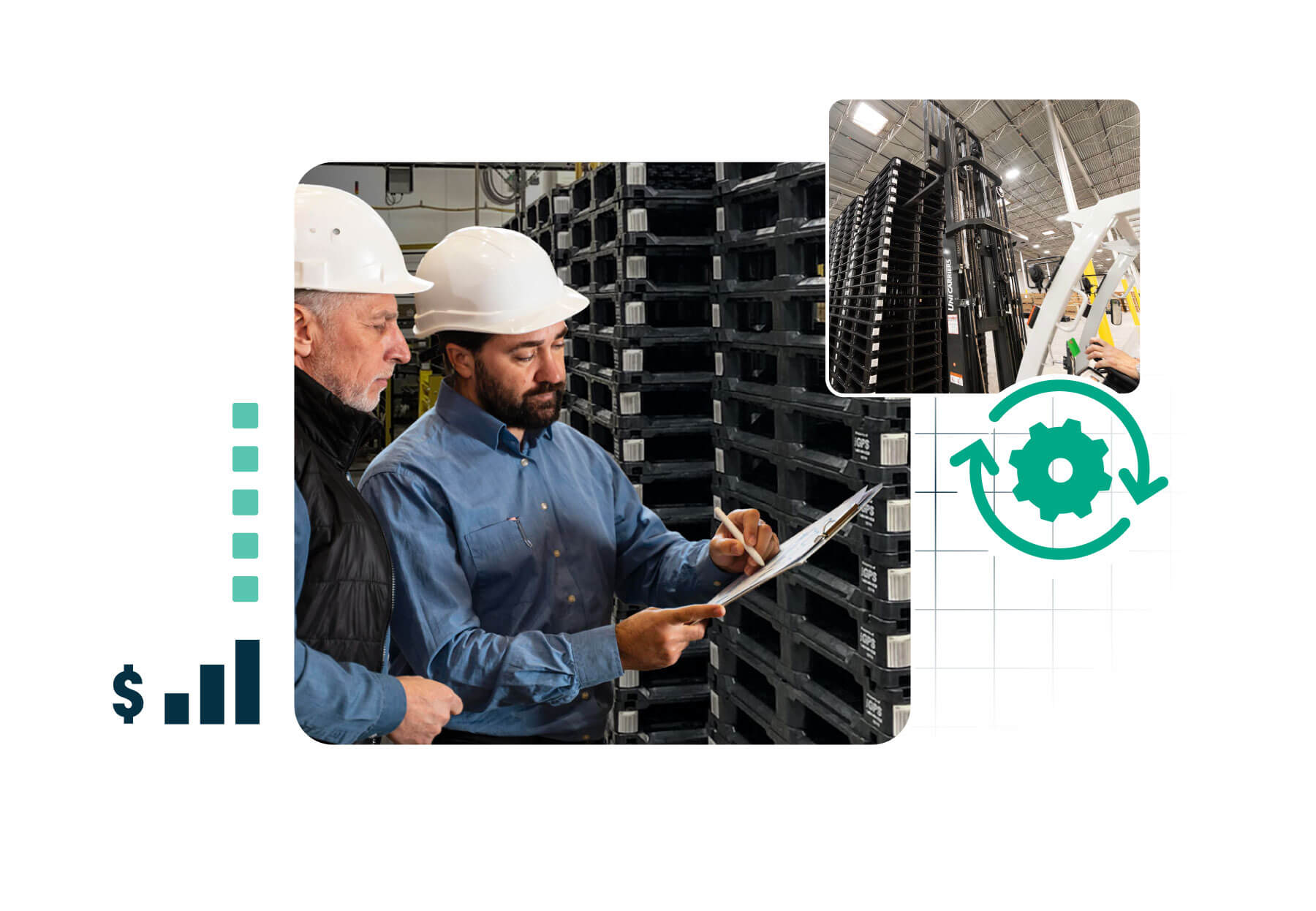
- Standardized plastic pallets support higher load utilization, smoother handling, and reliable transfers between transportation modes.
- Intermodal and multimodal shipping perform best when pallets remain uniform and durable at every transfer point.
- Plastic pallet pooling reduces transportation waste by removing empty pallet returns, retrieval miles, and excess pallet inventory.
Transportation Modes by Type
Transportation supports every logistics network. Freight moves by road, rail, air, sea, or through combined shipping structures; performance depends on how goods are protected, handled, and standardized through each handoff.
Rising freight costs and tighter capacity have shifted attention beyond mode selection alone. Pallets affect fuel use, trailer fill, handling speed, safety, and network reliability. When transportation strategy aligns with consistent pallet design, supply chains reduce risk and improve utilization across lanes.
Cost pressure continues to build across U.S. freight markets. A 2025 Trucking Dive analysis reported a 5.8% year-over-year increase in carrier insurance premiums, alongside ongoing volatility in fuel and equipment costs. As per-mile expenses rise, inefficiencies tied to pallet weight and inconsistency scale quickly.
Core transport modes
Core transportation modes form the foundation of domestic and global logistics. Each serves a distinct role based on distance, shipment size, urgency, and infrastructure access.
Road and Truck Transport
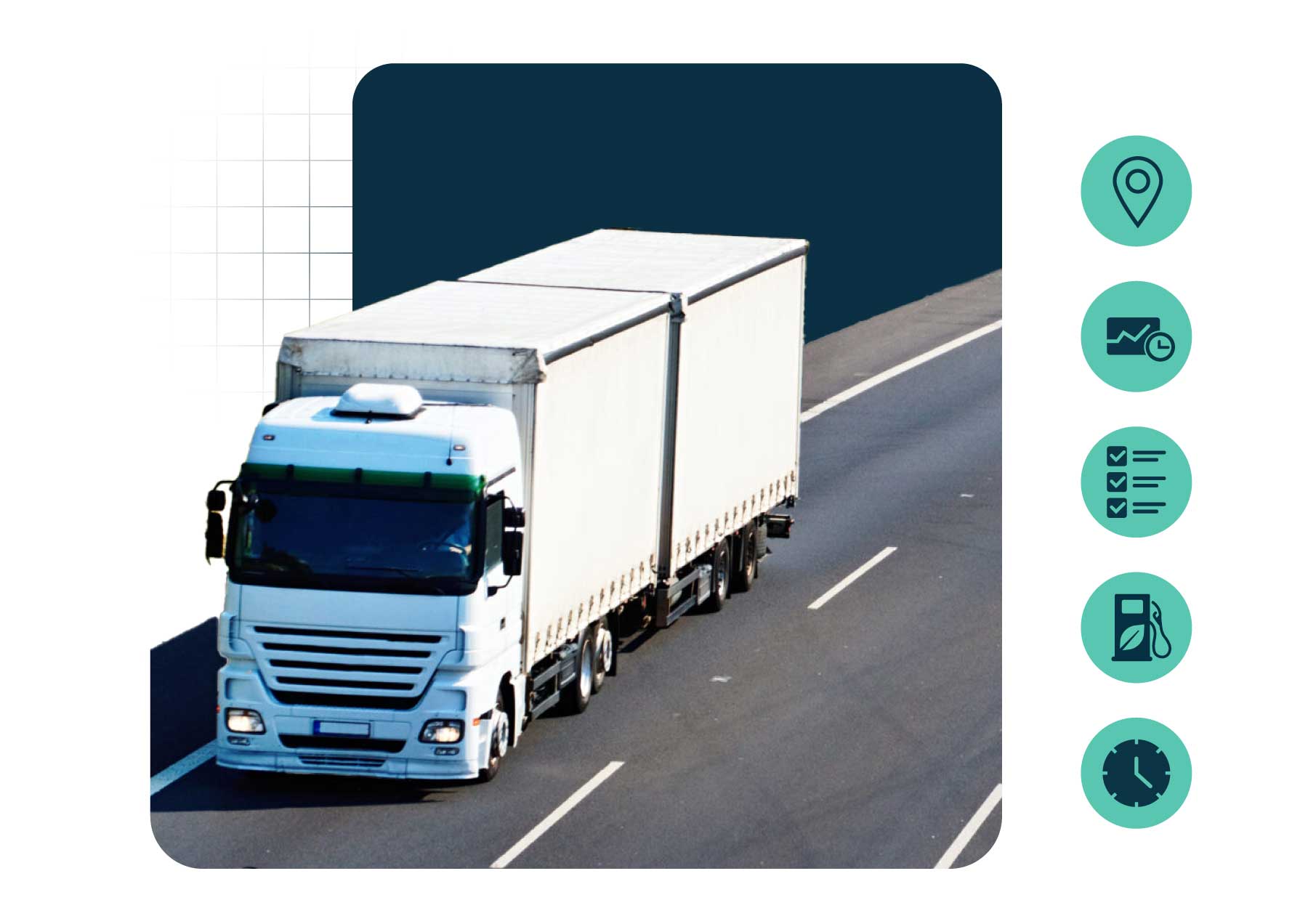
Road transport remains the most widely used logistics mode for domestic freight.
Key characteristics:
- Flexible routing and access
- Short to medium distance coverage
- Door-to-door delivery
- Common for last-mile and facility transfers
Best used for:
- Finished goods distribution
- Retail and food supply chains
- Plant-to-DC movements
- Time-sensitive regional shipments
Truck freight faces pressure from fuel costs, driver availability, congestion, and regulation. In Q3 2025, U.S. truck freight volumes declined 10.7% year over year, while shipper transportation spending increased roughly 2%, according to AftermarketNews. This gap places greater emphasis on pallet weight, load stability, and trailer utilization.
Airplane Transport
Air transport delivers the fastest transit times and the highest cost per unit.
Key characteristics:
- Rapid delivery
- Global reach
- Limited capacity
- High sensitivity to weight and volume
Best used for:
- High-value goods
- Urgent shipments
- Pharmaceuticals and electronics
Air freight economics are closely tied to pallet weight and dimensional consistency. Lightweight platforms improve payload efficiency and reduce cost exposure on time-critical lanes.
Rail Transport
Rail provides a cost-effective option for long-distance, high-volume domestic freight.
Key characteristics:
- Lower cost per ton-mile
- High fuel efficiency
- Fixed routes and schedules
Best used for:
- Bulk goods
- Long-haul shipments
- Intermodal container moves
Rail typically requires truck support at origin and destination. Consistent pallet dimensions improve container loading, unloading, and transfer reliability between modes.
Maritime Transportation
Ocean shipping moves most global freight by volume.
Key characteristics:
- Lowest unit cost for long distances
- Large capacity
- Longer transit times
Best used for:
- International trade
- Bulk commodities
- Containerized consumer goods
Extended transit and multiple handling points increase the importance of pallet durability and load stability during ocean transport.
Pipeline Transport
Pipeline transport serves a narrow set of commodities.
Key characteristics:
- Continuous high-volume flow
- Low operating cost
- Fixed infrastructure
Best used for:
- Oil, gas, chemicals, and water
Pipelines are efficient once built but are not used for general freight movement.
Multimodal and Intermodal Transport
Multimodal and intermodal transport combine two or more transportation modes within a single shipment flow.
Key characteristics:
- Multiple modes in one shipment
- Intermodal uses separate carrier contracts
- Multimodal uses a single contract manager
- Supports long-haul efficiency with local flexibility
Best used for:
- Long-distance domestic or international lanes
- High-volume freight suited to rail or ocean segments
- Cost- and fuel-sensitive networks
Multimodal and intermodal transport require strong coordination, visibility, and standardized handling platforms. Each handoff introduces risk. Uniform pallets reduce delays, handling errors, and damage across transfers, helping preserve savings gained through modal optimization.
Combined and special arrangements
Combined and special arrangements address complex transportation needs where no single mode meets cost, speed, or capacity targets.
These approaches support networks that:
- Operate across regions with varying infrastructure
- Balance service expectations with transportation spend
- Prioritize fuel efficiency and emissions reduction
By coordinating modes, carriers, and responsibilities, supply chains reduce dependency on any single transport option and improve resilience during market volatility.
Choosing the Right Model
There is no single “best” transportation mode—only the best fit for your supply chain’s priorities.
Key factors to consider include:
- Distance and geography
- Shipment volume and weight
- Service-level requirements
- Cost sensitivity
- Infrastructure access
- Risk tolerance and resilience needs
Many high-performing supply chains use hybrid transportation strategies, combining trucking, rail, and ocean freight while optimizing palletization, packaging, and load planning to reduce total cost of business.
Conclusion
Transportation strategy succeeds when mode selection aligns with the right material-handling foundation. Across road, rail, air, ocean, and combined shipping models, pallet performance affects fuel use, payload capacity, safety, and reliability.
Plastic pallets support modern logistics through lighter weight, consistent dimensions, and durability across environments. When paired with pallet pooling, these advantages extend further by removing empty pallet moves, retrieval miles, and ownership-related overhead.
For organizations focused on scalability, cost control, and operational reliability, pallet pooling functions as a transportation optimization system, not a packaging detail.
FAQs
How does freight transportation contribute to logistics efficiency?
Freight transportation affects delivery speed, labor productivity, inventory levels, and landed cost. Efficient movement reduces dwell time and handling while supporting predictable replenishment across the supply chain.
How do modes of transportation impact the cost-effectiveness of logistics?
Each mode carries a different cost structure. Trucking offers flexibility with higher per-mile costs. Rail and ocean reduce unit cost with longer transit. Air delivers speed with weight-driven pricing. Cost control depends on matching the mode to shipment needs.
How do plastic pallets help optimize transportation?
Plastic pallets improve transportation performance through consistent sizing, lower weight, durable construction, and compatibility across truck, rail, air, and ocean environments. In pooled networks, they also reduce empty returns and retrieval miles.
What are the safest and riskiest transportation modes in logistics?
Safety risk varies by mode and handling frequency:
- Rail and pipeline tend to have lower accident rates per ton-mile.
- Trucking carries higher exposure due to traffic, congestion, and manual handling.
- Ocean freight presents risk from long transit times and container shifts.
- Air freight has strict safety controls but high cost pressure.
Standardized pallets reduce risk across all modes by improving load stability and handling consistency.
When to choose intermodal vs multimodal shipping?
Intermodal works well when cost savings and routing flexibility matter and teams can manage multiple carriers. Multimodal fits operations that prioritize single-point accountability and visibility. Both benefit from uniform pallet platforms.
Why does pallet consistency matter more in intermodal shipping?
Intermodal freight moves across road, rail, and ocean or air segments. Consistent, reliable plastic pallets reduce handling issues at transfer points, protect cargo, and allow shipments to move between modes without disruption.
What role do pallets play in transportation emissions reduction?
Pallets influence transportation emissions by affecting load efficiency, shipment weight, and fuel consumption. Lightweight, consistent platforms improve trailer and container utilization across road, rail, and air transport, reducing total trips and fuel burn. With pooled plastic pallets, companies can also eliminate empty returns; tools like the iGPS greenhouse gas calculator help estimate potential emissions reductions based on actual shipping activity.
Is pallet pooling more effective for long-haul or regional transport?
Pall pooling delivers value in both. Long-haul and intermodal lanes benefit from reduced retrieval miles and consistent platforms. Regional transport benefits from simplified cycles and fewer empty pallet moves.
Transportation efficiency starts with the platforms that move freight. iGPS plastic pallet pooling provides standardized, lightweight, RFID-enabled pallets that support higher utilization, reduce fuel and handling costs, and eliminate pallet ownership burden across transportation networks.
To learn how iGPS can support your transportation strategy, call 1-800-884-0225, email switch@igps.net, or visit the iGPS contact page to speak with a pallet pooling specialist.