Key Takeaways
- Recycling pallets reduces waste, lowers disposal costs, and improves warehouse safety.
- Wood and plastic pallets can both be recycled, but plastic pallets offer longer lifespan and more reliable circular reuse.
- HDPE plastic pallets are easier to process, don’t absorb contaminants, and maintain material quality for remanufacturing.
- A quick assessment—material type, condition, contamination, and local facility capabilities—determines whether a pallet can be recycled.
- Pooling with high-quality plastic pallets delivers a closed-loop system that eliminates disposal work, reduces waste, and supports sustainability goals.
Why Recycle Pallets
Pallets move through supply chains constantly, and many become damaged, contaminated, or unusable over time. Without a clear plan to dispose or recycle them, unwanted pallets can accumulate behind warehouses or retail locations—creating safety concerns, fire risks, and unnecessary handling costs.
Material recovery also plays a role in broader sustainability goals. In 2018, the U.S. generated 12.2 million tons of wood waste, and pallets made up the majority of wood packaging in the municipal solid waste stream. At the same time, global plastic production now exceeds 300 million tons annually, with roughly half created for single-use packaging (United Nations Environment Programme, UNEP). Using durable pallets made from recycled plastic helps extend the life of high-value HDPE and keeps it in circulation instead of sending it to landfills.
Companies that prioritize responsible pallet recycling reduce environmental impact, improve safety, and avoid avoidable operational costs.
Plastic Pallets Vs Wood Pallets for Recycling
Both wood and plastic pallets can be recycled, but their pathways, lifespan, and environmental performance differ in important ways.
Wood Pallets
Wood pallets can often be repaired or repurposed into products like mulch, fiberboard, or fuel pellets. Their recyclability, however, depends heavily on condition. Moisture absorption, surface contamination, mold growth, and chemical treatments can limit whether a pallet can be recovered or must be discarded.
Typical lifespan:
Wood pallet life varies by design and handling. Research from the USDA Forest Service notes that many stringer pallets complete only 5–30 trips, depending on use and repair cycles.
Material impact:
Pallet production requires a large volume of hardwood and softwood. In 2018, the U.S. sent 12.2 million tons of wood materials to landfills, with pallets making up a major share of wood packaging waste. Only 3.1 million tons of wood pallets and other wood packaging were recycled that same year.
Frequent repairs and replacements increase overall material demand and contribute to additional waste.
Plastic Pallets
Plastic pallets—particularly HDPE models—offer a more predictable recycling pathway and much longer service life.
They can be:
- Ground and remanufactured into new pallets
- Cleaned repeatedly without absorbing liquids
- Recycled through common mechanical processes used for HDPE
Many plastic pallets complete 100+ trips before end-of-life recycling, giving them a longer functional lifespan than most wood alternatives. HDPE is also one of the most widely accepted plastics for mechanical recycling, making plastic pallets easier to process in circular systems.
The sustainability advantage:
Durable plastic pallets made from recycled material support a cradle-to-cradle model. When part of a pooling program, they reduce landfill use, cut fuel costs due to their lighter weight, and lower the environmental footprint typically associated with high-turnover pallet usage.
Can Your Pallet Be Recycled (Find Out How to Assess)
Not every pallet—wood or plastic—can be recycled. Factors like material type, contamination, and local processing capabilities determine whether a pallet can enter a recycling stream. High-quality HDPE plastic pallets, such as iGPS models, are 100% recyclable and can be reground, remolded, and returned to circulation at end-of-life, supporting a closed-loop system.
Use this simple checklist to evaluate whether your pallet can be recycled:
- Identify the Material
Plastic:HDPE or PP pallets are widely recyclable; mixed-plastic or composite pallets may not be accepted.
Wood: Untreated hardwood or softwood is often recyclable; heat-treated, chemically treated, or heavily contaminated wood may not qualify. - Evaluate the Condition
Plastic pallets: Cracks or broken sections generally do not prevent recycling—they can still be ground and reprocessed.
Wood pallets: Severe structural damage, mold, rot, or excessive nails and debris may limit recyclability. - Check for Contamination
Recycling centers may reject pallets with:
– Oil, paint, or chemical residue
– Excessive dirt or organic matter
– Embedded metal, plastic wrap, or foreign objects
Clean, uncontaminated pallets are far more likely to be accepted. - Review Manufacturer or Pooling Guidance
Some pallet manufacturers and pooling providers accept end-of-life pallets directly. This ensures proper recycling and eliminates the need to find local processors.
Note: iGPS handles end-of-life recycling within its closed-loop system. - Confirm Local Facility Capabilities
Not all recycling centers accept:
– HDPE pallets
– PP pallets
– Treated or contaminated wood
– Mixed-material pallets
Calling ahead helps avoid rejected loads and eliminates wasted transportation miles. If the pallet still has value, repair or reuse may be a more sustainable option than recycling.
Recycling Options
Determining a plan on how to dispose of pallets depends on the pallet type, local infrastructure, and your operational setup.
- Return to a Pallet Pooling Provider
Pooling companies collect, clean, repair, and recycle pallets at end of life. This is often the most sustainable option and eliminates disposal work for your team. - Sell to a Pallet Recycler
- Many recyclers:
- Buy back wood or plastic pallets
- Repair them
- Grind or reprocess unusable materials
- For wood pallets, recyclers often resell repaired units or turn them into mulch or fuel pellets.
- Many recyclers:
- Drop-Off at a Recycling Center
- Facilities may accept:
- HDPE plastic pallets
- Untreated wood pallets
- Always confirm first—many centers only accept specific materials.
- Facilities may accept:
- Reuse In-House
- Some companies repurpose pallets for:
- Storage
- Secondary handling
- Internal-only transport
- Some companies repurpose pallets for:
- Partner With Industrial Plastics Recyclers
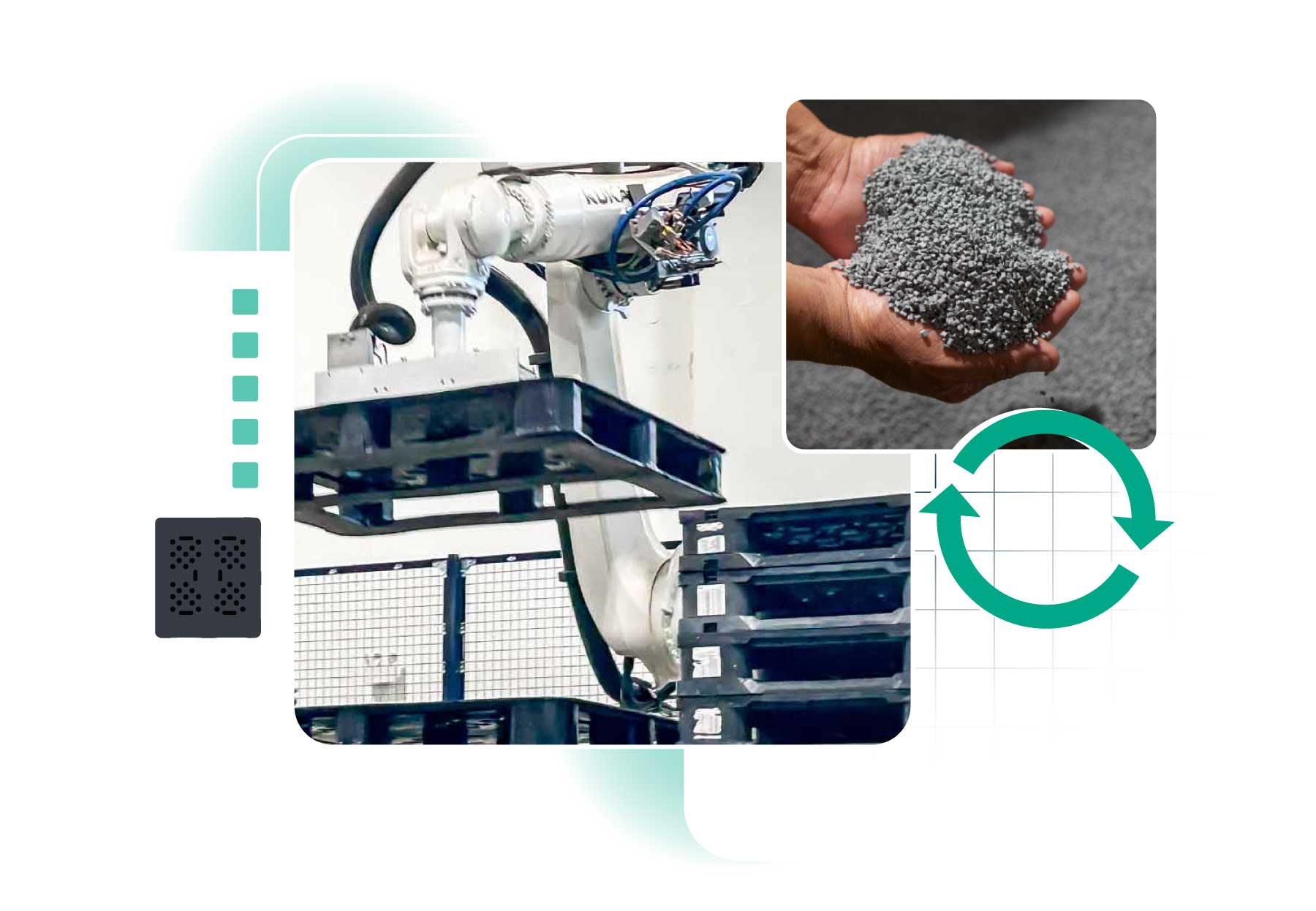
These specialists handle high-volume HDPE scrap and can process plastic pallets into pellets used for new pallets or other products.
How to Prepare Pallets for Recycling
Preparing pallets correctly increases acceptance rates and reduces processing costs.
Steps to prepare wood pallets:
- Remove debris or contaminants.
- Separate heavily damaged or moldy pallets.
- Remove plastic wrap, labels, or foreign materials.
Steps to prepare plastic pallets:
- Rinse off residue (if needed).
- Confirm pallet is HDPE or PP.
- Remove any attached straps or packaging.
If returning to a pooling provider:
- Simply stage pallets for pickup—no prep work is required. The provider handles inspection, sanitation, and recycling.
How Pallet Pooling Solves the Need to Recycle Pallets
Pallet pooling eliminates the burden of recycling by shifting pallet ownership and end-of-life responsibility to a trusted third-party provider. Instead of buying pallets, managing repairs, storing empties, or figuring out how to dispose of damaged units, companies simply rent pallets as needed while the pooling provider handles everything else behind the scenes.
In a pooling model like iGPS, pallets move through a closed-loop system:
- The provider delivers high-quality, automation-ready plastic pallets directly to your facility.
- After use, pallets are retrieved, not discarded—freeing your team from sorting or disposal work.
- Pallets are cleaned, inspected, repaired, and recirculated to ensure consistent quality and hygiene.
- At end of life, pallets are ground down and remolded into new pallets instead of entering landfills.
Pooling turns pallet management into a seamless, circular service—giving supply chains a cleaner, safer, more efficient alternative to traditional recycling.
Conclusion
Recycling pallets is an essential part of responsible supply chain management. It prevents waste buildup, reduces fire and safety hazards, and keeps valuable materials circulating instead of heading to landfills. While wood pallets can be repaired or downcycled, HDPE plastic pallets offer a longer service life, cleaner handling, and a more predictable recycling pathway, especially when paired with a pooling model.
With a circular approach, companies gain operational efficiency while reducing their environmental footprint. Durable, recyclable plastic pallets help businesses cut waste, avoid storage problems, and maintain safer, cleaner facilities, all while supporting long-term sustainability goals.
FAQ
How do you get rid of unwanted pallets?
You can return them to a pallet recycler, drop them at a recycling center, sell them to pallet repair companies, or if they are part of a pooling program, schedule a pickup. Avoid landfilling pallets when recycling or reuse options are available.
Are pallets worth recycling?
Yes. Wood pallets can be repaired or turned into mulch or biomass, while plastic pallets can be fully remanufactured into new pallets. Recycling reduces waste, lowers disposal costs, and supports sustainability goals.
Do recycling centers take pallets?
Some do, but acceptance varies. Many centers accept HDPE plastic pallets and untreated wood pallets but may reject contaminated or treated materials. Always contact the facility before delivery.
Companies looking to improve sustainability and reduce pallet waste rely iGPS plastic pallet pooling solution. Through pooling, iGPS handles every step, from delivery, retrieval, cleaning, repair, to end-of-life recycling. To learn how pooling can simplify your operations and strengthens your sustainability strategy, call 1-866-557-0184, email switch@igps.net, or visit our contact page.