Key Takeaways:
- The modern supply chain excels at moving materials and goods, but it is also a top generator of waste.
- Customers expect companies to cut down their waste streams as part of sustainable business practices.
- Reusable totes, crates, and bins can reduce waste while also creating consistency that improves supply chain operations.
- Reusable, recyclable plastic pallets also have numerous sustainability advantages, especially when part of a pooling model.
- Companies that streamline their supply chain operations while also making them more environmentally sustainable will have a competitive advantage in the market.
The modern global supply chain is excellent at moving materials and goods quickly and safely at incredible scale. Unfortunately, it’s also excellent at generating metric tons of waste. Cardboard, foam, shrink wrap, and broken wood pallets are clogging landfills.
According to the Environmental Protection Agency, in 2018 (the most recent year for which this statistic is available), the United States alone generated more than 82 million tons of packaging waste, more than 28 percent of the municipal solid waste total. And that’s just municipal waste. It doesn’t fully account for the additional mountains of industrial and distribution-center trash generated upstream in the supply chain.
These numbers can’t keep rising. Disposal capacity is not infinite, and both customers and major retailers increasingly expect manufacturers and other supply chain stakeholders to cut down on waste streams as part of responsible, sustainable business practices. The good news is that reusable materials and assets create practical, scalable ways to cut down on both solid waste and carbon emissions throughout the supply chain.
Reusable assets, especially reusable packaging and reusable, recyclable plastic pallets, replace disposable materials with durable ones designed for repeat use. When implemented thoughtfully, a reusables program doesn’t only support sustainability goals — it also enhances operations. The competitive benefits of less product damage, fewer bulk packaging purchases, and more consistent performance speak for themselves.
Less Trash, More Standardization
Waste often results from logistical prioritization rather than a disregard for sustainability. Single-use containers and disposable pallets are frequently selected because they eliminate the need for tracking, cleaning, and return logistics. While these methods streamline operations within complex supplier networks and tight timelines, they also present long-term waste management challenges once materials leave the facility.
And furthermore, convenience is expensive in the long term. Waste is an operational overhead problem as well as an environmental one. Labor and money are required to handle, break down, and haul away trash.
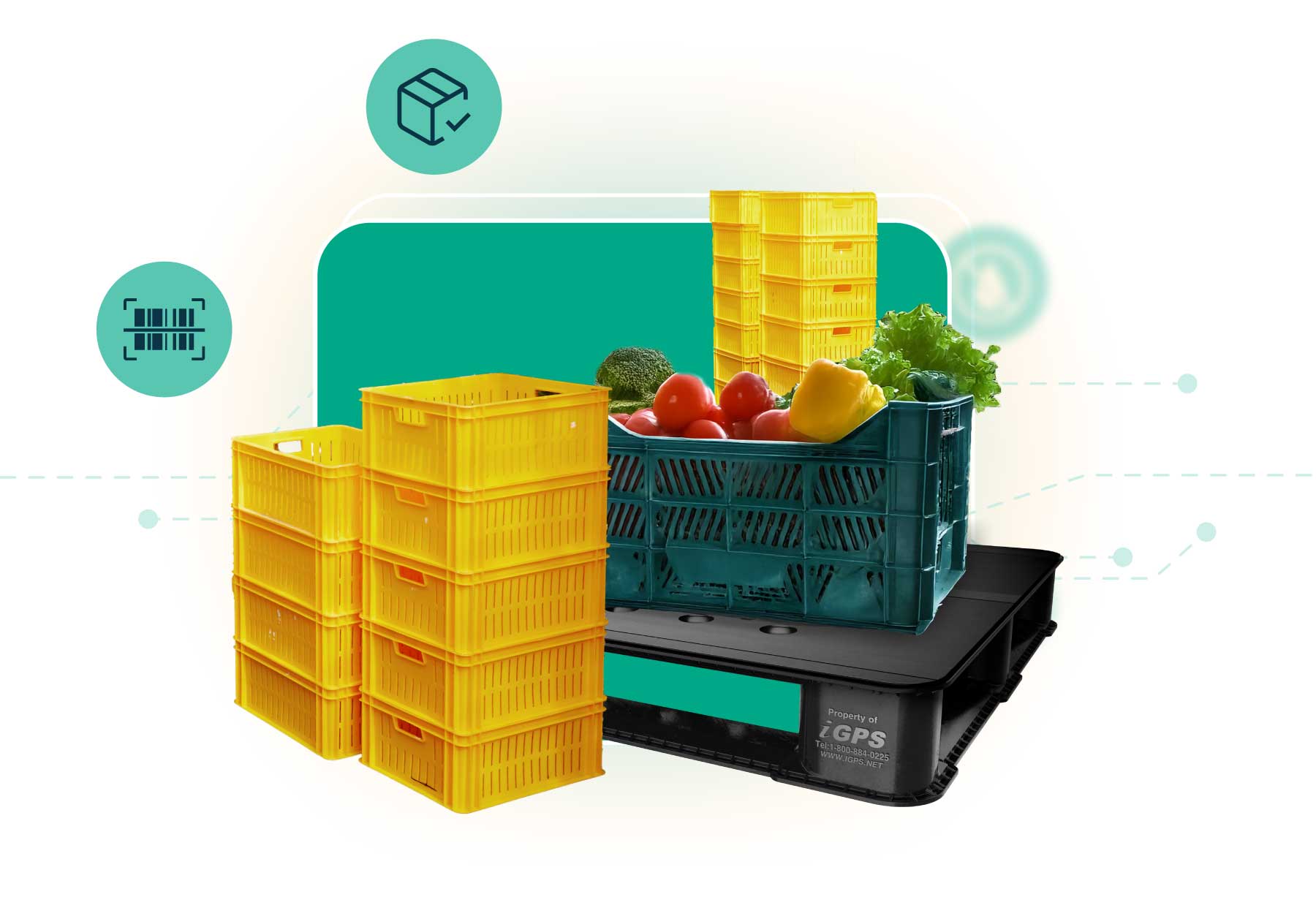
Reusable packaging targets one of the most bulky and visible waste streams: corrugate and filler. When companies introduce returnable crates and other containers, they immediately cut back on cardboard and dunnage waste, and they also introduce improved standardization due to more reliable container footprints and cube utilization. The most common reusable packaging formats include:
- Reusable totes and crates
- Bulk bins
- Foldable containers
- Reusable inserts and dunnage
When designed correctly, reusable packaging also limits some of the damage that can be caused by humidity, handling, and inconsistent materials. Well-built reusable packages and containers improve stacking strength and resist crushing. And the more frequently these containers begin to circulate, the more quickly the sustainability and operational advantages can be realized.
The Efficiency of Durable, Reusable Plastic Pallets
A surprising amount of waste and supply chain disruption comes from broken pallets, nails and splinters, and inconsistent pallet dimensions. Wooden pallets may seem like a cost-efficient alternative until they damage products, cause injuries, jam automation equipment, and require extensive clean-up of trucks and loading docks.
Reusable, recyclable plastic pallets virtually eliminate these issues. They are more durable and uniform, and their light weight and consistent dimensions are a big advantage in automated warehouses and distribution centers. The non-porous surfaces of plastic pallets are resistant to moisture and warping, and they also produce less debris that can litter floors and damage products or equipment. In addition to the sustainability benefits of being reusable and recyclable, the lighter weight of plastic pallets means that they contribute to less greenhouse gas emissions during shipping — another win for the environment.
Plastic pallets are most effective when they circulate in a closed-loop ecosystem through a pallet pooling model, in which pallet distribution and retrieval are part of the operating model. This removes the headache and hassle of a company needing to store, ship, and repair its own fleet of pallets, which at a large scale is like managing a whole separate supply chain.
In addition to the waste reduction benefits of reusable packaging and pallets, even more sustainability gains can be realized by scrutinizing the supporting materials used to secure and protect loads, including shrink wrap and fillers. Reusable alternatives also exist here, and they can not only reduce trash but even improve quality and consistency. Reusable bands and straps on stable loads can reduce dependence on plastic wrap, while returnable racks and carts can help high-value products move between supplier and assembly sites while cutting down on entire categories of packaging.
How Consistency and Sustainability Come Together
Waste and inconsistency often go hand in hand. Over time, different packaging types and quality and variations in pallet types and strength add up to tensions and friction that slow and disrupt the supply chain, bringing unexpected costs, delays, and do-overs. Reusable packages and pallets, as well as reusable and returnable support materials, create repeatable workflows and predictable results. This means less trash and a reduction in the variability that can make the modern supply chain inefficient and less resilient.
And enterprises that achieve the double win of a more consistent, reliable supply chain that is also more environmentally sustainable are positioning themselves for lasting business success.
Frequently Asked Questions
What are the advantages of reusability in the supply chain?
Reusability reduces waste by replacing one-time materials with durable assets that circulate repeatedly. It can lower packaging spend over time, cut disposal and cleanup labor, and improve load stability and product protection, reducing damage and claims. Reusables also bring consistency to packing and shipping workflows, supporting efficiency, safety, and smoother operations across facilities.
What are the most common reusable supply chain assets?
The most common reusable assets include returnable totes and crates, bulk containers, reusable dunnage or inserts, and reusable plastic pallets. Many companies also use returnable racks for fragile or high-value parts, plus reusable straps, lids, and dividers to secure loads. These assets are designed to withstand repeated handling while standardizing transport and storage.
What steps can companies take to implement an effective supply chain reusables program?
Companies should start by selecting high-volume products and repeatable lanes where assets can reliably return. A pilot program helps prove value while refining processes for tracking, cleaning, inspection, and storage. Clear ownership and accountability prevent losses, and performance metrics like waste reduction, damage rates, labor time, and packaging costs build long-term internal support.