Key Takeaways
- Pallet renting shifts pallet management from ownership to a managed service, eliminating repair, storage, and disposal burdens.
- Rental programs provide predictable pallet availability without tying up capital in non-core assets.
- Plastic pallet rental delivers greater consistency, durability, and hygiene than traditional wood pallet ownership.
- Pallet rental scales easily with seasonal demand and high-volume shipping environments.
- Companies that rent pallets often see lower total cost, improved safety, and fewer operational disruptions than those that buy pallets.
Pallets touch nearly every movement in the supply chain. They support products from production lines to warehouse floors, through transportation networks, and into retail environments. Despite their constant presence, pallets are often treated as background infrastructure, until problems arise. Broken boards, inconsistent sizes, excess empties, and retrieval challenges quietly slow operations, increase labor, add safety risks, and drive up costs.
As supply chains become more automated, time-sensitive, and cost-conscious, the way pallets are sourced and managed matters more than ever. Pallet renting shifts pallets from an overlooked asset into a managed service, delivering consistent quality, predictable availability, and fewer operational distractions. For many organizations, this change improves efficiency, enhances employee safety, and reduces the total cost of moving goods through the supply chain.
What Is Pallet Renting
Pallet renting is a model where companies pay for the use of pallets rather than purchasing and owning them outright. Instead of buying pallets, storing empties, repairing damage, and managing disposal, businesses rent pallets from a third-party provider that owns and manages the pallet fleet.
The rental provider supplies pallets when and where they’re needed, retrieves them after use, and handles inspection, cleaning, repair, and recycling. This approach shifts pallet management from an internal responsibility to a managed service, freeing operations teams to focus on core supply chain activities.
What does a Typical Pallet Rental Service Include
While offerings vary by provider, most pallet rental programs include:
- Pallet supply and distribution to manufacturing, warehouse, or shipping locations
- Collection and retrieval after delivery to downstream partners
- Inspection, cleaning, and repair to maintain consistent quality
- End-of-life recycling rather than landfill disposal
- Network balancing to reduce empty pallet accumulation
- Optional tracking and reporting, often enabled by RFID or barcodes
The result is a predictable pallet supply without the need to purchase, store, or manage assets internally.
Types of Pallets That Can Be Rented
Several pallet types can be rented, but not all rental models deliver the same operational value.
- Wood block pallets – Common in traditional pooling programs but prone to variability, repairs, and debris
- Stringer pallets – Rarely rented due to durability and compatibility limitations
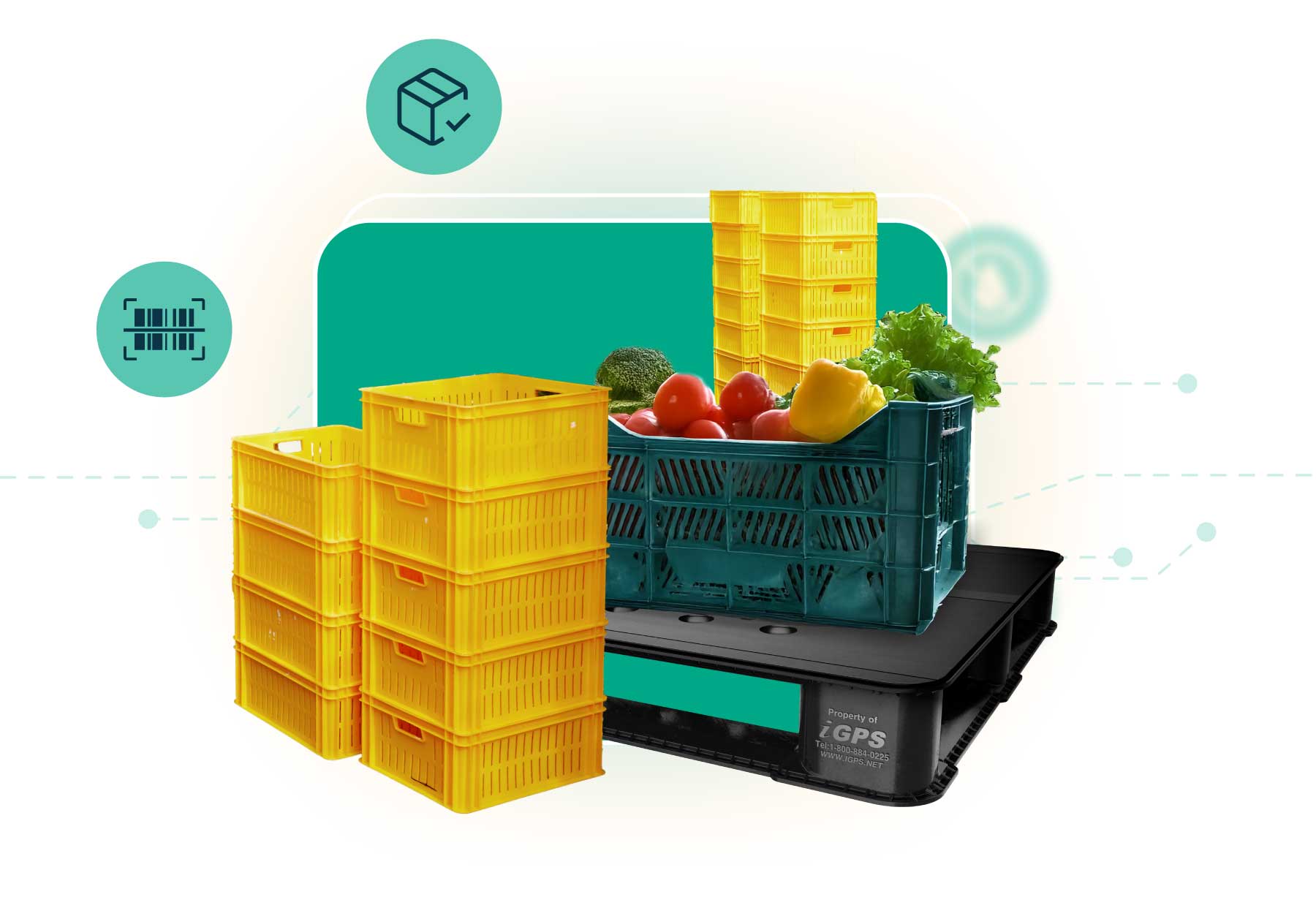
- Plastic pallets – Increasingly preferred for rental programs due to consistency, durability, and hygiene
Cost Comparison: Renting vs Buying Pallets
The decision to rent or buy pallets is ultimately a financial one—but it requires looking beyond the purchase price.
Upfront and Ongoing Costs of Ownership
Buying pallets involves more than an initial purchase. Ownership typically includes:
- Capital expense to acquire pallets
- Storage space for empty pallets
- Labor to sort, stack, and manage inventory
- Repair costs for damaged pallets
- Disposal fees for unusable pallets
- Transportation costs to retrieve pallets
- Loss and shrink from pallets not returned
Over time, these costs accumulate and fluctuate, making it difficult to predict true pallet spend.
Total Cost of Ownership for Rental Programs
Rental programs replace variable ownership costs with a predictable, per-use expense. Costs are typically tied to:
- Number of pallet moves
- Duration of use
- Network distance and recovery points
Because the provider manages maintenance, retrieval, and recycling, companies avoid many hidden costs associated with ownership. When evaluated on a total cost of ownership (TCO) basis, pallet rental often proves more economical—especially at scale.
Operational Benefits of Pallet Rental
Beyond cost, pallet rental offers operational advantages that are difficult to achieve through ownership alone.
Flexibility for Seasonal Demand
Rental programs scale up or down with shipping volume. Companies avoid overbuying pallets for peak seasons and storing excess inventory during slower periods.
Reduced Maintenance and Replacement Hassles
Rental providers handle inspections, repairs, and quality control. Operations teams no longer need to manage broken pallets, debris, or inconsistent platforms entering the facility.
Inventory Management and Tracking Support
Many rental programs—particularly plastic pallet pooling—offer tracking capabilities. RFID-enabled pallets improve visibility, reduce loss, and support faster reconciliation at shipping and receiving points.
When Rental Makes the Most Sense
Pallet rental is especially effective for companies that:
- Ship high pallet volumes annually
- Serve multiple customers or retailers
- Operate across regions or nationally
- Experience seasonal demand swings
- Use automation, conveyors, or AS/RS
- Want to reduce capital tied up in non-core assets
In these environments, rental delivers both financial and operational advantages.
How to Run a Pallet Rental Pilot
For organizations evaluating rental for the first time, a pilot program reduces risk and builds internal confidence.
Defining Scope, Volume, and Duration
Start with a defined lane, customer, or facility. Set clear parameters for pallet volume, trip length, and pilot duration, often 60 to 120 days.
Choosing a Vendor and Negotiating Terms
Evaluate providers based on pallet quality, network coverage, service reliability, and tracking capabilities. Pricing should be transparent and aligned to usage.
Measuring Success: KPIs and Review Points
Track metrics such as:
- Cost per shipment or per pallet move
- Product damage rates
- Dock and forklift efficiency
- Empty pallet accumulation
- Labor time spent on pallet handling
These indicators help determine whether rental delivers measurable improvements over ownership.
Case Studies: Real-World Outcomes from Pallet Rental
Magnetic Springs
Magnetic Springs, a regional bottled water and beverage distributor, previously owned and managed wood block pallets. Over time, pallet repairs, cleanup, safety issues, and added freight weight created ongoing costs and operational friction—burdens that came with ownership.
By moving to a pallet rental program using pooled plastic pallets, Magnetic Springs eliminated those responsibilities. Pallet quality, recovery, repair, and recycling shifted to the rental provider, removing internal labor and disposal costs.
Measurable Benefits of Renting Pallets
- Lower transportation costs: Lighter rental pallets reduced shipment weight and allowed more efficient truckloads.
- Less labor and downtime: No broken boards, splinters, or palletizer jams, cutting cleanup time and improving productivity.
- Improved safety: Eliminated nails, debris, and rack obstructions tied to damaged pallets.
- No end-of-life burden: Damaged pallets were retrieved and recycled by the provider.
- Stronger sustainability results: Fewer truckloads, lower emissions, and zero pallet landfill waste.
For Magnetic Springs, renting pallets delivered lower total cost, fewer disruptions, and safer operations than buying pallets, proving that pallet rental removes hidden ownership costs while improving day-to-day performance.
Additional Real-World Examples of Pallet Rental Benefits
Large Grocery & Big-Box Retailers (e.g., Walmart, Kroger)
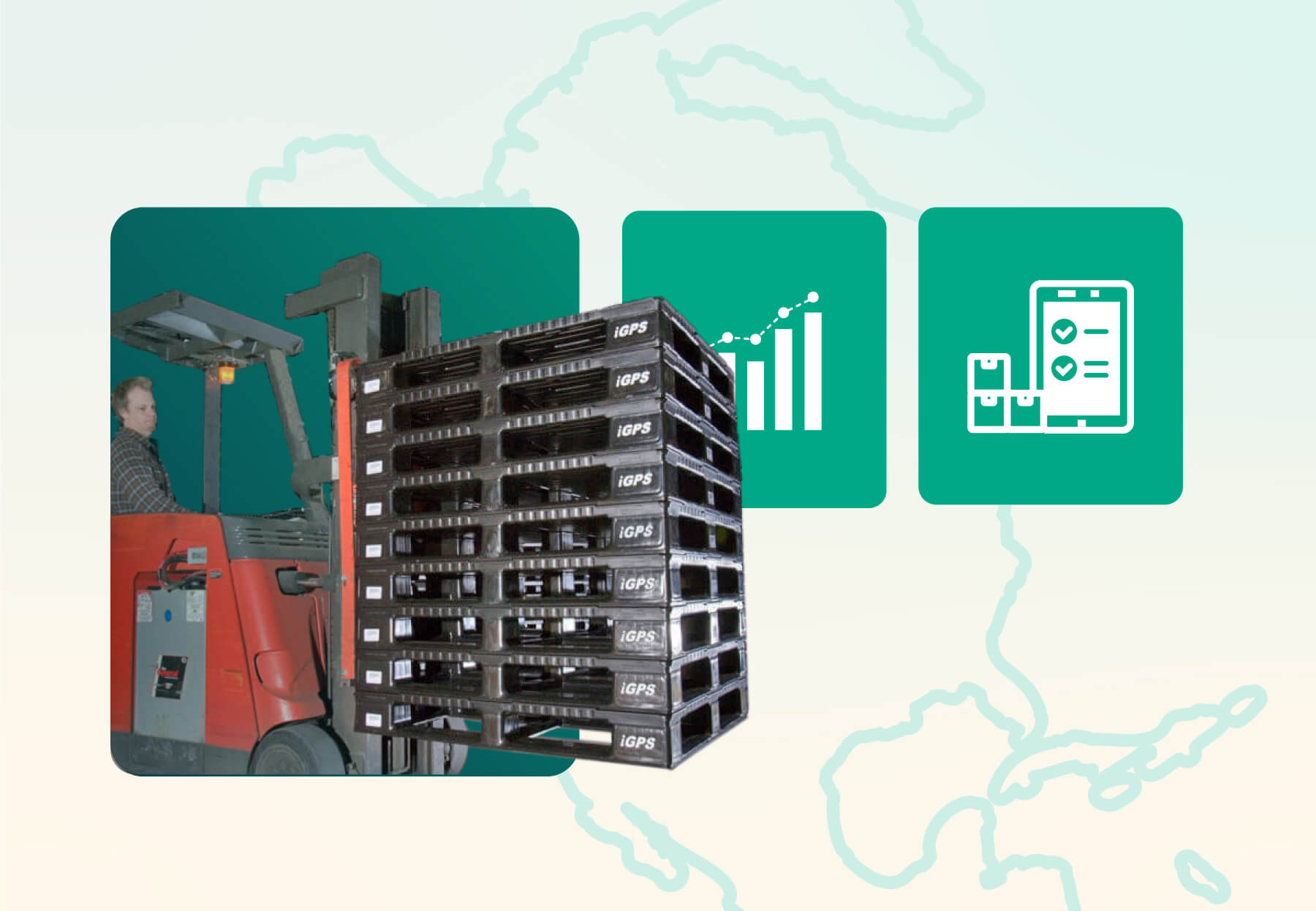
Major retailers like Costco have adopted pooled plastic pallets to reduce product damage, improve automation compatibility, and eliminate the labor and space required to manage empty pallet returns. Rental programs help maintain consistent pallet quality across high-volume distribution networks.
Global CPG Manufacturers (Food & Beverage)
Leading food and beverage producers use pallet rental programs to support hygiene requirements, reduce pallet-related downtime, and scale quickly during seasonal demand spikes—without purchasing, repairing, or storing excess pallets.
Beverage and Bottled Water Producers
Heavy, weight-sensitive products benefit from lighter rental pallets, which improve truckload efficiency and reduce fuel consumption. Rental programs also remove the operational burden of disposing of damaged wood pallets at end of life.
Conclusion
Pallets may seem like a small part of the supply chain, but how they’re sourced and managed has an outsized impact on cost, safety, and efficiency. Renting pallets replaces unpredictable ownership burdens with a managed, scalable solution that aligns with modern supply chain demands.
For many organizations, pallet rental, especially through high-quality plastic pallet pooling, delivers lower total cost, better operational consistency, and fewer distractions from core business priorities. When pallets are treated as a service rather than an asset to manage, supply chains gain flexibility, predictability, and control.
FAQ
How quickly can rental pallets scale?
Rental pallet programs are designed to scale quickly because pallets are supplied from an existing network rather than purchased on demand. In most cases, providers can increase pallet availability within days or weeks—much faster than sourcing, buying, and staging owned pallets. This flexibility is especially valuable during seasonal peaks, promotions, or customer expansions, when shipping volume changes faster than internal pallet inventories can adapt.
What happens if pallets are damaged or lost?
In a rental program, the provider owns the pallets and manages repair, replacement, and end-of-life recycling. Damaged pallets are inspected, repaired, or removed from circulation by the provider, not the customer. Loss policies vary by program, but rental agreements typically include clear terms for loss thresholds, reporting, and reconciliation. These policies help reduce the operational burden and uncertainty associated with pallet ownership.
Are there industry standards for rental pallets?
Yes. Rental pallets generally meet recognized industry standards to ensure compatibility across supply chains. These often include Consumer Brands Association (CBA) specifications, ISO performance standards, and fire safety requirements where applicable. Plastic rental pallets used in pooling programs are also commonly designed for automation compatibility and hygiene requirements in food and beverage supply chains, helping ensure consistent performance across warehouses, transportation, and retail environments.
Companies looking to reduce the cost and complexity of pallet ownership rely on pallet rental programs from iGPS. Standardized plastic pallets, consistent quality, and RFID-enabled visibility help eliminate waste, improve handling efficiency, and keep pallets out of landfills through a closed-loop pooling system. For more information, call 1-866-556-8015, email a specialist at switch@igps.net, or visit the contact page.