Every retailer has different compliance requirements, but the goal is always the same: create a predictable flow of products through the distribution network.
Companies that consistently meet those expectations spend less time fixing problems, reduce unnecessary costs, and build stronger retailer relationships. Those that don’t often discover that the biggest cost isn’t the chargeback—it’s the operational disruption created throughout the rest of the supply chain.
The most successful organizations don’t chase compliance one deduction at a time. They build operations designed to perform consistently from the start.
Key Takeaways
- Retail compliance is an operational discipline, not just an administrative requirement.
- Small process errors can create costly downstream disruptions.
- Consistent processes (labeling, documentation, transportation and pallet quality) improve performance and help products move more efficiently through distribution centers.
- Retailers establish pallet standards to improve receiving efficiency, safety, and automation—not simply to specify equipment.
- Plastic pallet pooling supports compliance by providing standardized, durable pallets that help reduce operational variability across the retail supply chain.
What is Retail or Vendor Compliance in Logistics
Retail compliance, sometimes called vendor compliance, is the process of meeting a retailer’s requirements for labeling, documentation, packaging, freight routing, delivery, and inventory receiving. These standards help distribution centers process products efficiently while maintaining inventory accuracy, product quality, and consistent operations.
Most major retailers publish detailed compliance requirements covering areas such as Electronic Data Interchange (EDI), advance shipment notices (ASNs), appointment scheduling, pallet standards, delivery windows, and documentation. While the details vary from one retailer to another, the objective is always the same: create a predictable receiving process that keeps products moving efficiently from the loading dock into inventory.
Many operations teams discover that understanding the requirements usually isn’t the difficult part. Executing them consistently across every facility, carrier, and order is where compliance becomes challenging. That’s why retail compliance extends beyond the shipping department—it relies on coordination across procurement, warehouse operations, transportation, customer service, and information systems.
The Main Elements of Retail Compliance
Retail compliance combines multiple operational requirements that work together to keep products moving efficiently through the retail supply chain. A mistake in any one area can create delays, additional labor, or unnecessary costs further downstream.
The most common elements include:
- Retailer compliance requirements: Following each retailer’s shipping instructions, approved carriers, delivery methods, and transportation requirements.
- Labeling and documentation: Applying accurate shipping labels, pallet labels, packing slips, and required documentation.
- Electronic Data Interchange (EDI): Exchanging purchase orders, invoices, and advance shipment notices electronically to improve data accuracy.
- Delivery appointments: Meeting scheduled delivery windows and receiving appointments.
- Packaging and pallet standards: Following retailer policies for pallet dimensions, load stability, product overhang, and stretch wrapping.
- Warehouse execution: Picking, packing, staging, and loading orders accurately before they leave the facility.
- Transportation management: Coordinating carriers, freight schedules, and delivery performance.
Together, these elements create a repeatable process that helps organizations work successfully with multiple retailers while reducing operational disruptions.
The Importance of Retail Compliance
Retailer policies aren’t designed to make shipping more difficult. They’re designed to help retailers receive thousands of loads every week in a consistent, predictable way. Repeatable processes reduce delays, improve inventory accuracy, and keep products moving through fulfillment networks with less manual intervention.
| Operational Area | How Retail Compliance Helps |
|---|---|
| Receiving Operations | Standardized deliveries move through receiving faster with less manual intervention. |
| Inventory Accuracy | Correct labels, documentation, and EDI reduce receiving errors. |
| Labor Efficiency | Fewer errors mean less time spent correcting paperwork or reworking loads. |
| Transportation | On-time deliveries help carriers and retailers maintain efficient freight schedules. |
| Distribution Center Automation | Consistent load preparation and pallet standards support conveyors, scanners, and automated handling systems. |
| Supplier Performance | Reliable execution strengthens retailer relationships and improves vendor scorecards. |
The biggest benefit isn’t simply avoiding deductions. Consistent execution creates smoother operations for everyone involved, making it easier to replenish inventory, support retail fulfillment, and build stronger long-term relationships with major retailers.
The Impact of Non-Compliance
Retail compliance failures usually begin with small execution errors that create larger downstream problems. An incorrect label, missed delivery appointment, incomplete ASN, or routing violation may seem minor, but each can interrupt receiving operations and delay inventory availability.
One common example is a delivery that arrives with incorrect documentation or pallet labeling. Instead of moving directly into inventory, the load may require manual verification, relabeling, or repalletization before it can be processed.
| What Goes Wrong | Potential Impact |
|---|---|
| Incorrect labeling or documentation | Manual receiving and additional labor |
| Inaccurate shipping data | Inventory discrepancies and delayed product availability |
| Missed retailer requirements | Chargebacks and delivery delays |
| Late arrivals | Missed replenishment windows and lower vendor performance |
| Inconsistent execution | Reduced retailer confidence and weaker scorecards |
While retail chargebacks receive the most attention, they’re often only one symptom of a larger operational issue. The greater cost usually comes from disrupted workflows, additional labor, slower inventory movement, and strained retailer relationships.
Benefits of Retail Compliance
Companies that consistently meet retailer specifications often see benefits that extend well beyond avoiding penalties. Repeatable processes improve efficiency across transportation, inventory management, and retail fulfillment while making day-to-day operations more predictable.
Key benefits include:
- Lower operating costs: Fewer deductions, less rework, and reduced administrative effort.
- Better inventory accuracy: Accurate documentation and digital data exchange reduce receiving errors while supporting stronger product traceability throughout the supply chain.
- Improved delivery performance: Better coordination between facilities, carriers, and transportation teams helps keep products moving on schedule.
- Better visibility into performance: Performance metrics make it easier to identify recurring issues and improve decision-making.
- Stronger retailer relationships: Reliable execution builds trust and supports long-term business growth.
- Scalable operations: Consistent workflows make it easier to support new retail customers and additional distribution locations.
The greatest benefit isn’t simply avoiding retail chargebacks. It’s creating a more predictable operation that performs consistently, even as volumes grow and retail requirements evolve.
The Main Challenges in Retail Compliance
Maintaining compliance becomes more challenging as companies grow and serve more retail customers. Different retailers, multiple facilities, third-party logistics providers, and changing customer expectations all add complexity to daily operations.
Some of the most common challenges include:
| Challenge | Why It Matters |
|---|---|
| Different retailer requirements | Every retailer follows its own operational standards and delivery expectations. |
| Manual processes | Manual data entry increases the risk of errors and delays. |
| Limited operational insight | Without timely supply chain data, identifying issues becomes more difficult. |
| Third-party logistics coordination | Maintaining consistent execution across internal teams and 3PL partners requires clear communication. |
| Changing compliance requirements | Retailers regularly update operational expectations and onboarding requirements. |
| Cross-functional coordination | Procurement, operations, transportation, customer service, and IT must work together to support compliance. |
Many companies find the biggest challenge isn’t learning the requirements—it’s executing them consistently across every order, facility, and retail customer.
Best Practices for Retail Compliance
The most successful organizations treat vendor compliance as an ongoing operational discipline rather than a final review before products leave the dock. Strong processes reduce errors before they become deductions, delays, or customer issues.
Best practices include:
- Standardize receiving, picking, packing, and loading procedures across facilities.
- Review retailer specifications regularly and update internal processes as expectations change.
- Automate labeling, documentation, and routine data exchange where possible.
- Monitor KPIs such as on-time delivery, order accuracy, and compliance deductions.
- Conduct regular process audits to identify opportunities for improvement.
- Improve communication between operations, transportation, customer service, and third-party logistics providers.
- Use warehouse and transportation management systems to improve coordination across the end-to-end supply chain.
- Investigate recurring issues to address root causes instead of individual errors.
The strongest operations don’t treat compliance as a one-time project. They look for small improvements every day.
New Trends in Retail Compliance
Retail compliance continues to evolve as retailers invest in automation, connected systems, and more efficient distribution networks. Expectations for consistency are increasing along with those investments.
Retailers are continuing to invest in automated distribution networks that improve inventory flow, reduce costs, and increase fulfillment speed. Walmart, for example, expects 65% of its stores to be supplied by automated distribution centers as it modernizes its supply chain network.
Several trends are shaping the future of retail compliance:
- Greater digital integration: Connected warehouse, transportation, and order management systems improve information sharing throughout the supply chain.
- Real-time supply chain data: Faster access to operational information helps identify issues before they affect deliveries.
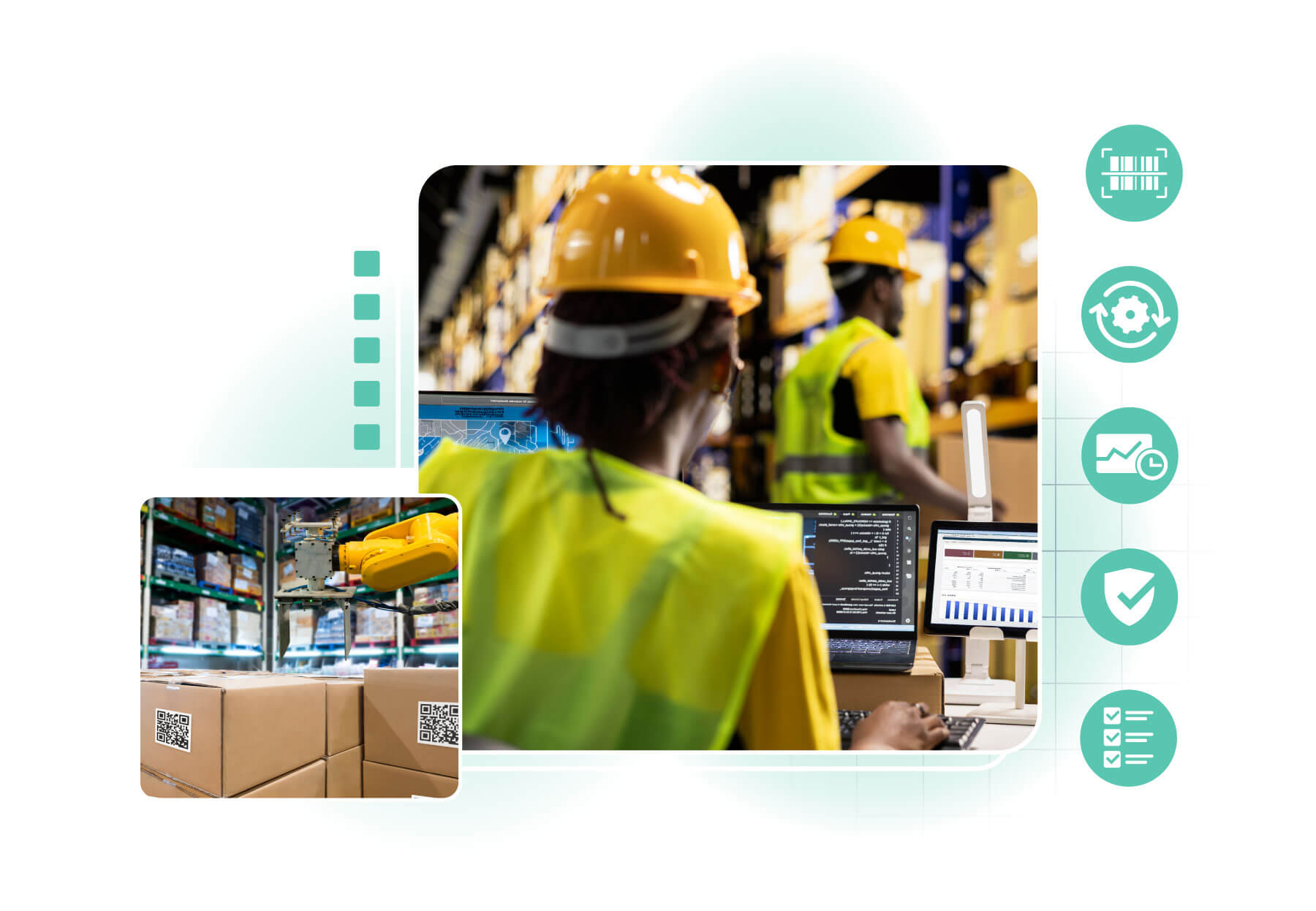
- Increased automation: As facilities continue investing in robotics and automated material handling, consistent load preparation becomes even more important.
- Performance-driven partnerships: Retailers are placing greater emphasis on KPIs, on-time performance, and operational reliability when evaluating vendors.
- More resilient supply chains: Tariffs, inflation, labor shortages, and transportation disruptions continue driving investments in more flexible retail logistics operations.
- AI and predictive analytics: Supply chain teams are increasingly using AI-powered analytics to identify shipping errors, documentation issues, and potential compliance risks before orders leave the warehouse.
Supply chain operations that invest in standardized processes and connected systems will be better positioned to adapt as retailer expectations continue to evolve.
The Role of Plastic Pallet Pooling in Retail Compliance
Retail compliance becomes much easier when operations are consistent from one facility to the next. Retailers establish requirements for labeling, documentation, delivery windows, and pallet quality for the same reason—to create a consistent receiving process that keeps products moving efficiently through their distribution networks.
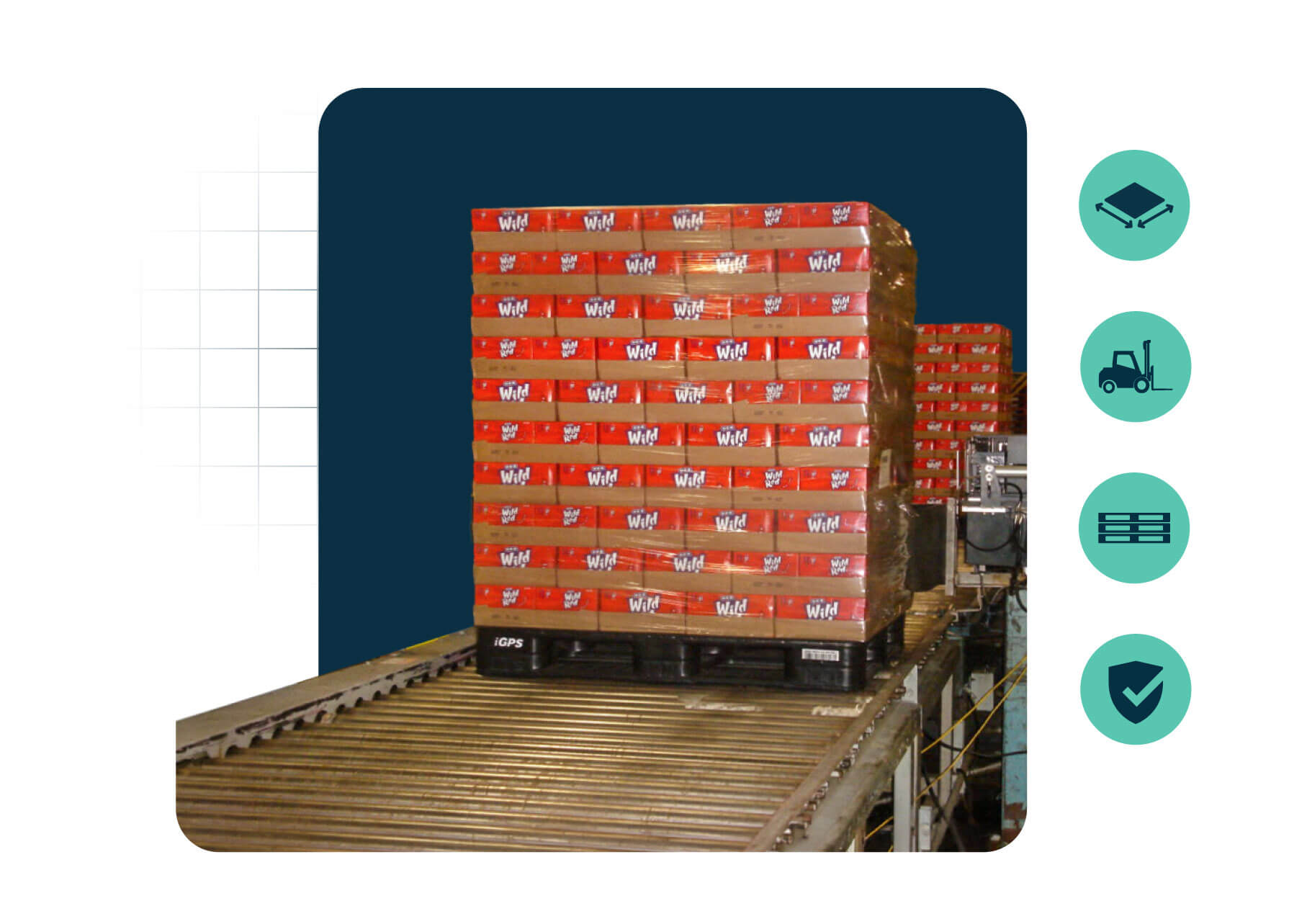
Plastic pallet pooling supports that objective by providing standardized pallets through a managed pooling network.
Why Retailers Have Pallet Standards
Retailers don’t establish pallet standards because they care about pallets—they establish pallet standards because they care about what inconsistent pallets do to warehouse operations.
Pallets that vary in size, condition, or quality can create unnecessary operational challenges, including:
| Inconsistent Pallets Can Lead To | Operational Impact |
|---|---|
| Unstable or damaged loads | Increased product damage and rework |
| Slower receiving | Longer unloading times and reduced dock efficiency |
| Equipment interruptions | Conveyor jams and automated system slowdowns |
| Manual pallet replacement | Additional labor and handling costs |
| Safety concerns | Greater risk of employee injury and equipment damage |
Standardized pallet requirements help improve receiving efficiency, inventory flow, workplace safety while supporting more predictable operations.
How Plastic Pallet Pooling Supports Those Standards
Plastic pallet pooling helps organizations support retailer standards by providing standardized pallets through a managed pooling network. Instead of purchasing, repairing, retrieving, and replacing pallets themselves, companies receive pallets that are inspected, cleaned, and returned to circulation by the pool operator.
Compared with traditional wood pallets, pooled plastic pallets offer several operational advantages:
| Plastic Pallet Advantage | Operational Benefit |
|---|---|
| Consistent dimensions | Supports predictable handling and automated systems. |
| Durable construction | Helps reduce product damage and equipment interruptions. |
| Non-porous surface | Easier to clean for food, beverage, and pharmaceutical operations. |
| Embedded RFID | Supports pallet identification and movement history when scanned. |
| Managed pooling | Reduces pallet purchasing, retrieval, repair, storage, and recycling responsibilities. |
Pooling programs also help organizations:
- Improve consistency across multiple facilities.
- Reduce time spent managing pallet inventories.
- Support automated material handling.
- Increase pallet availability during seasonal demand.
- Simplify pallet management through inspection, repair, cleaning, and retrieval services.
Networks such as iGPS build on these advantages with durable HDPE pallets, embedded RFID technology, and nationwide pallet management designed to support consistent retail logistics. While pallet pooling is only one part of a successful retail compliance strategy, it helps remove one source of operational variability—making it easier to build standardized operations across the retail supply chain.
Conclusion
Retail compliance isn’t about checking boxes. It’s about building operations that consistently deliver the right products, in the right condition, at the right time.
Organizations with consistent operations spend less time fixing problems and more time keeping products moving. Plastic pallet pooling supports that goal by providing a consistent shipping platform that helps operations run more predictably.
The organizations that perform best don’t react to compliance issues—they build operations that prevent them.
FAQs
How to stay retail compliant?
Stay retail compliant by understanding each retailer’s requirements, standardizing operational processes, monitoring KPIs, conducting regular audits, and reviewing compliance updates. Many organizations also use warehouse and transportation management systems to improve coordination and reduce errors.
What happens if you are not compliant?
Retail non-compliance can lead to chargebacks, delayed deliveries, refused loads, additional labor, and lower vendor performance scores. Over time, repeated issues can disrupt operations and strain relationships with retail customers.
What is the difference between retail compliance and regulatory compliance?
Retail compliance refers to meeting the operational requirements established by individual retailers, such as labeling, routing, pallet standards, and delivery expectations. Regulatory compliance involves following government laws and regulations, such as FDA food safety requirements or transportation regulations. A company may meet all regulatory requirements while still receiving retailer chargebacks if it fails to follow a retailer’s specific operating standards.
What are retail chargebacks?
Retail chargebacks are fees retailers assess when vendors fail to meet established shipping requirements. Common causes include labeling errors, missed appointments, documentation issues, and deliveries that don’t meet retailer standards.
Why do retailers have pallet requirements?
Retailers establish pallet requirements to improve receiving efficiency, support automation, reduce product damage, and maintain safe warehouse operations. Many publish detailed standards covering pallet dimensions, condition, and approved pallet providers.
How does pallet pooling support retail compliance?
Pallet pooling supports retail compliance by providing standardized pallets that are inspected, cleaned, repaired, and managed by the pool operator. Consistent pallet quality helps reduce operational variability, support automation, and improve handling throughout the retail supply chain.
Retail compliance becomes easier when every part of the operation is designed for consistency. iGPS plastic pallet pooling helps support that goal with standardized HDPE pallets, embedded RFID technology, and managed pallet services that help reduce operational variability across the retail supply chain. To learn how iGPS can help improve your retail logistics operations, call 1-800-884-0225, email switch@igps.net, or visit our contact page.