Plastic Pallet Pooling Benefits for the
Automotive Industry
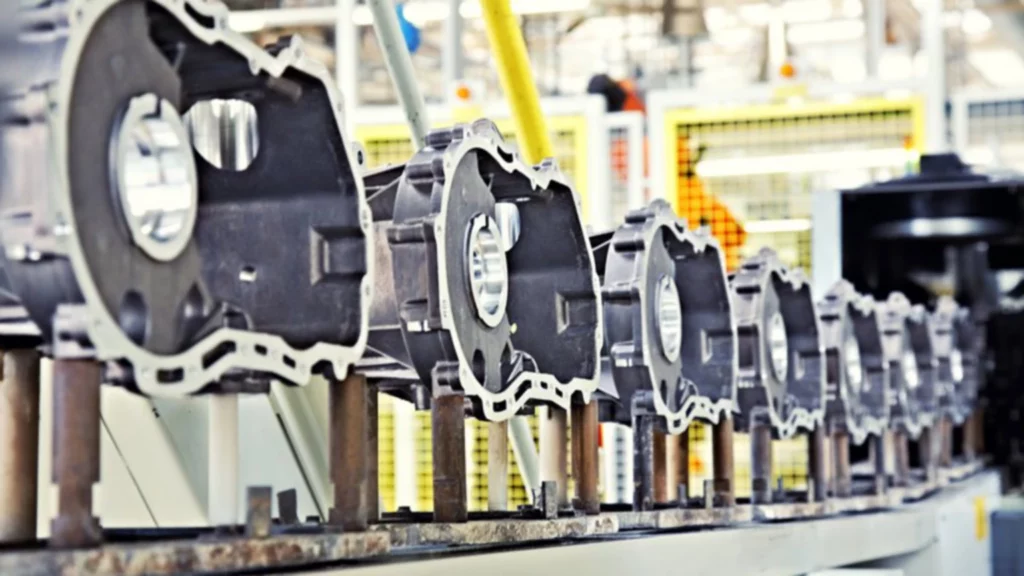
It’s a little ironic that one of the most challenging parts of the automotive industry supply chain is transportation. Rarely are vehicles assembled in the same manufacturing space as their components, making thoughtful supply chain management essential. It isn’t easy—automotive components are heavy, expensive, and very easy to damage. Getting them from point A to point B requires smart logistics and efficient handling.
Automotive pallets are the backbone of automotive component transport, and choosing the wrong ones can be an expensive mistake. iGPS plastic pallets are the perfect solution. These high-quality platforms keep products safe and help managers resolve many of the most common automotive supply chain challenges.
Why the Automotive Component Supply Chain Needs a Better Pallet
There are a lot of moving parts in a vehicle—and in the automotive supply chain. Handling the logistics and expenses of moving components from place to place is one of the most challenging aspects of the industry. Specifically, automotive supply chain managers must take into consideration:
Shipment Weight
Automotive components are extremely heavy. The weight of these loads increases fuel consumption, raising transportation costs and cutting into the profit margin of the end product. The weight of automotive parts also makes pallet durability a particular concern, as it’s crucial that platforms don’t degrade or break under heavy weight.
Logistical Complexity
The automotive industry is unique in that auto parts originate from many different locations. One company in Arizona might make engines, one in New Jersey may create quarter panels, and yet another may develop transmissions. Getting all these components together in the right place is a herculean logistical effort.
High Damage Cost
Even a small scratch on certain automotive parts can result in several thousand dollars’ worth of waste, as they may need to be refinished before they’re suitable for use. This disrupts assembly and delays production..
Unpredictable Supply Scaling
Just-in-time (JIT) manufacturing—a popular production method in the automotive industry—may be an effective way to minimize overproduction, but it makes managing the demand for certain components challenging. Rapidly transporting all necessary components to meet the popularity of a particular vehicle model is very difficult.
Automotive supply chain managers need all the assistance they can get to manage their ever-evolving needs. iGPS automotive pallets are an excellent solution. These high-quality plastic pallets come with a wide range of features that help both internal and external supply chains overcome many automotive industry challenges.
How iGPS Plastic Pallets Rise to the Challenges of the Auto Industry
iGPS plastic pallets are particularly well-suited for use in the automotive industry. Here are just a few of the ways iGPS pallets can lower costs and ease logistical challenges:
Component Protection
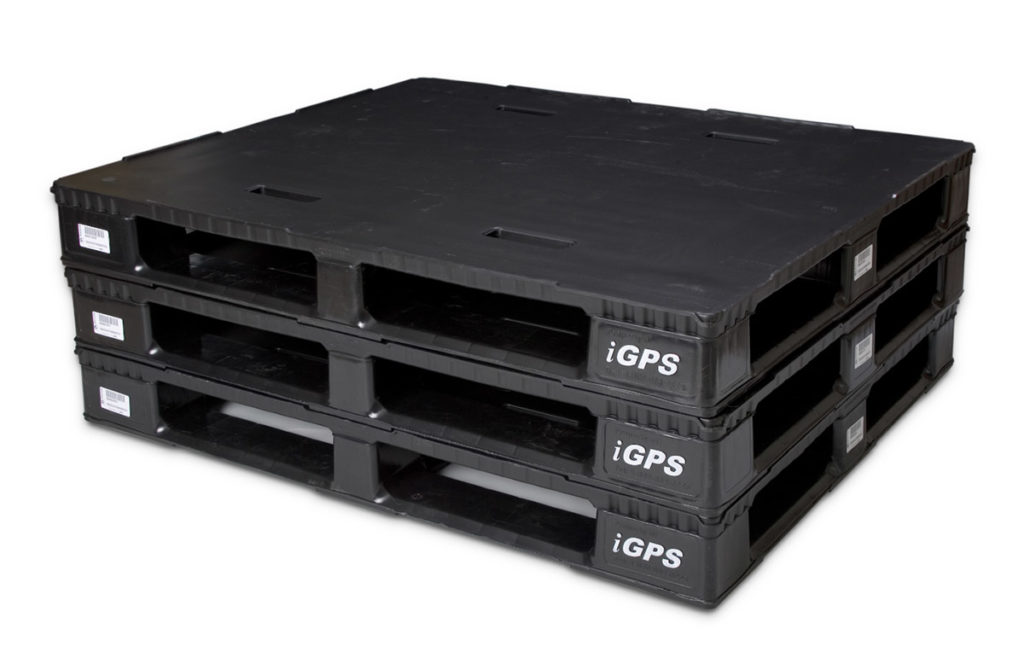
iGPS pallets provide a smooth, unibody construction with no nails, hardware, or splinters that can gouge packages or scratch components. This saves on the direct cost of component repair and the indirect cost of production disruption.
Scalable Production Support
With iGPS plastic pallet pooling, managers can increase or decrease the number of pallets they rent to match changes in demand. This saves storage space and controls unnecessary spending across both internal and external pallet networks.
Lower Transportation Costs
iGPS plastic pallets are made of durable, lightweight HDPE plastic, making them just as strong as wood block pallets but up to 35% lighter. By reducing the weight of the pallets they ship on, automotive supply chain managers can transport more pallets of product in each truckload. This saves on fuel, truck wear and tear, and overall transportation costs.
Easier Shipment Tracking
iGPS pallets support a wide range of pallet tracking options to simplify logistics and help managers monitor shipments. Every iGPS pallet features four radio-frequency identification (RFID) tags and also displays barcodes and alphanumeric codes. Each pallet has a unique serial number to allow individual platforms to be identified.
Simplified Logistics
iGPS has a network of pallet depots and customers throughout North America, making it easy to arrange for pallet delivery, pickup, or repair, regardless of location. Supply chain managers can focus on the products themselves and leave the logistics of retrieving, returning, replacing, and repairing pallets to iGPS.
These are just a few of the features that supply chain managers can enjoy through the iGPS pallet pooling program. Choosing the best automotive pallets available makes it possible to spend less time worrying about the barriers to effective transport. To get started using iGPS plastic pallets for your automotive logistics needs, give our supply chain experts a call today at 1-800-884-0225 or email us at info@igps.net. We’ll walk you through how our shipping platforms can drastically lower your total cost of business (TCOB).
iGPS Automotive Pallets Keep Your Automation Running Without a Hitch
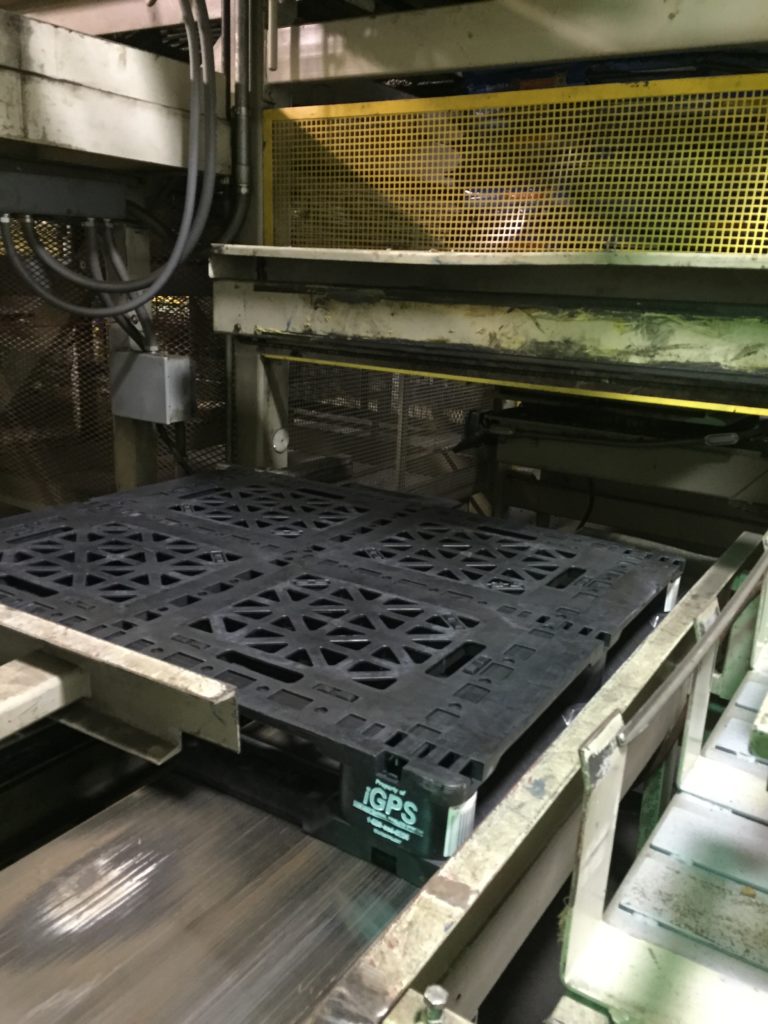
The widespread use of automation in the automotive supply chain has helped to improve profit margins, but, unfortunately, most pooled pallets aren’t well-suited for use with automation. iGPS is constantly striving to innovate the pallet pooling market and offers durable pallets that are ideally suited for automated environments. Their uniform dimensions and weight ensure that sensitive equipment calibration is easy, while their fastener-free construction reduces the risk that pallet debris will damage expensive equipment.
For automotive pallets that can help you cut costs, look no further than iGPS. iGPS plastic pallets offer simplified tracking, lightweight construction, and a uniform size and shape to reduce or even eliminate costly supply chain obstacles. Meanwhile, iGPS’ pallet pooling program gives you access to a flexible, scalable pallet fleet that’s easy to manage in even the most complex logistical environment.