Key Takeaways
- Most pallet-related injuries are tied to repetitive daily handling activity rather than major accidents. Unsafe lifting, unstable stacks, and damaged platforms create the biggest risks.
- Consistent pallet condition plays a major role in workplace safety, load stability, and automation performance.
- Facilities should focus on clear lifting procedures, stable pallet stacking, forklift visibility, and immediate removal of damaged pallets from circulation.
- Plastic pallets help reduce several common workplace hazards by eliminating exposed nails, splinters, loose boards, and dimensional inconsistency.
- Pallet pooling helps operations maintain more consistent pallet quality without managing large inventories of mixed-condition platforms internally.
Pallet safety problems rarely begin with one major accident.
Most facilities notice smaller warning signs first: unstable stacks near dock doors, damaged platforms left in staging areas, shifting loads during transport, or employees manually repositioning heavy pallets under time pressure. Over time, those daily issues create injury risk, workflow disruption, and expensive slowdowns across the operation.
The transportation and warehousing sector recorded more than 232,000 workplace injury cases in 2024, remaining one of the highest-risk industries for employee injuries and material handling incidents.
In high-volume distribution environments, pallet safety affects more than compliance. It directly impacts labor efficiency, automation uptime, inventory flow, and workplace reliability. A damaged platform can shut down a conveyor lane, interrupt outbound movement, damage inventory, or create a serious employee hazard within seconds.
Pallet Safety Guidelines Every Business Should Follow
Pallet safety guidelines are the procedures facilities use to reduce injury risk, improve material handling, and maintain safer operating conditions across warehouse environments. These guidelines typically cover lifting procedures, pallet stacking, forklift movement, storage practices, load stability, and removal of damaged pallets from circulation.
In the United States, pallet-related workplace safety falls under broader material handling and walking-working surface regulations enforced by the Occupational Safety and Health Administration (OSHA). Facilities are expected to maintain safe operating conditions, train employees properly, and reduce recognized hazards tied to pallet movement and transport.
The issue continues to carry major financial and operational consequences for distribution networks. According to the National Safety Council, forklifts were tied to more than 25,000 DART (Days Away, Restricted, or Transferred) injury cases in 2023–2024, while transportation and warehousing continues to report injury rates well above many other industries.
Most warehouses do not think much about pallet safety until something slows down, breaks, or someone gets hurt. It directly affects labor availability, throughput, insurance exposure, worker retention, and facility performance.
Most Common Pallet Handling Safety Risks
Daily pallet movement creates repetitive exposure to injury risk throughout the warehouse.
Most handling issues begin with rushed movement, unstable stacking, poor visibility, damaged platforms, or uneven loads moving through busy staging areas.
| Common Pallet Safety Issue | Why It Happens | Potential Result |
|---|---|---|
| Employees lifting pallets alone | Heavy or awkward repositioning | Back and shoulder strain |
| Dropping pallets during staging | Rushed handling activity | Cracks, unstable loads, floor damage |
| Leaning pallet stacks | Uneven stacking or overstacking | Falling inventory or collapse |
| Damaged pallets left in circulation | Missed inspections or inconsistent sorting | Conveyor jams and trip hazards |
| Uneven product loads | Poor load distribution | Forklift instability and shifting product |
| Congested forklift lanes | Debris or poor staging practices | Collisions and handling incidents |
A lot of warehouse problems start long before a forklift impact or conveyor jam. Poor staging, unstable stacks, and damaged pallets sitting on the floor usually create the first warning signs.
Safer Pallet Handling Practices
Manual pallet handling still happens in nearly every distribution environment, including highly automated facilities.
The goal is not simply moving pallets faster. It is keeping employees safe while reducing the handling issues that slow down movement across the building later in the shift.
Train Employees on Proper Lifting Techniques
Most lifting injuries happen during repetitive movement near dock doors, floor staging lanes, and trailer unloads.
Employees should:
- keep loads close to the body
- avoid twisting during lifting
- use team lifting for heavier platforms
- avoid rushing repositioning activity during peak periods
Back and shoulder strain tend to increase when employees rush repositioning activity during busy outbound windows.
Use Two-Person Lifting for Heavy Platforms
Even empty reusable pallets can weigh more than employees expect.
Two-person lifting procedures help reduce:
- sudden drops
- muscle strain
- awkward movement near equipment
- uncontrolled shifting during repositioning
Fatigue becomes a much bigger issue late in shifts and during peak shipping periods when employees are moving pallets constantly.
Slide Pallets Instead of Dropping Them
Dropped pallets create more than visible damage.
Repeated drops weaken pallets faster than many facilities realize. Sliding pallets carefully into position gives employees more control and helps reduce unnecessary stress on both the platform and warehouse floor.
This matters most around conveyor infeed zones, automated systems, and crowded dock staging areas where damaged pallets create larger downstream problems quickly.
Safer Pallet Stacking and Storage
Unstable pallet stacks slow down movement through the warehouse and increase the risk of falling inventory.
They also make it harder for forklift operators to move safely through staging lanes and crowded dock areas.
Limit Empty Pallet Stack Height
Overstacked empty pallets create unnecessary fall hazards and visibility issues.
Facilities should follow internal stack height limits based on pallet type, building layout, weight, and local fire code requirements. Taller stacks become harder to stabilize and more dangerous during removal or transport.
Keep Stacks Level and Stable
Stacks begin to lean quickly when pallets are stored unevenly or placed on inconsistent surfaces.
Pallets should remain level and aligned during storage to help maintain stack integrity. Uneven pressure on pallet edges increases instability and creates unsafe conditions when employees attempt to separate or reposition units.
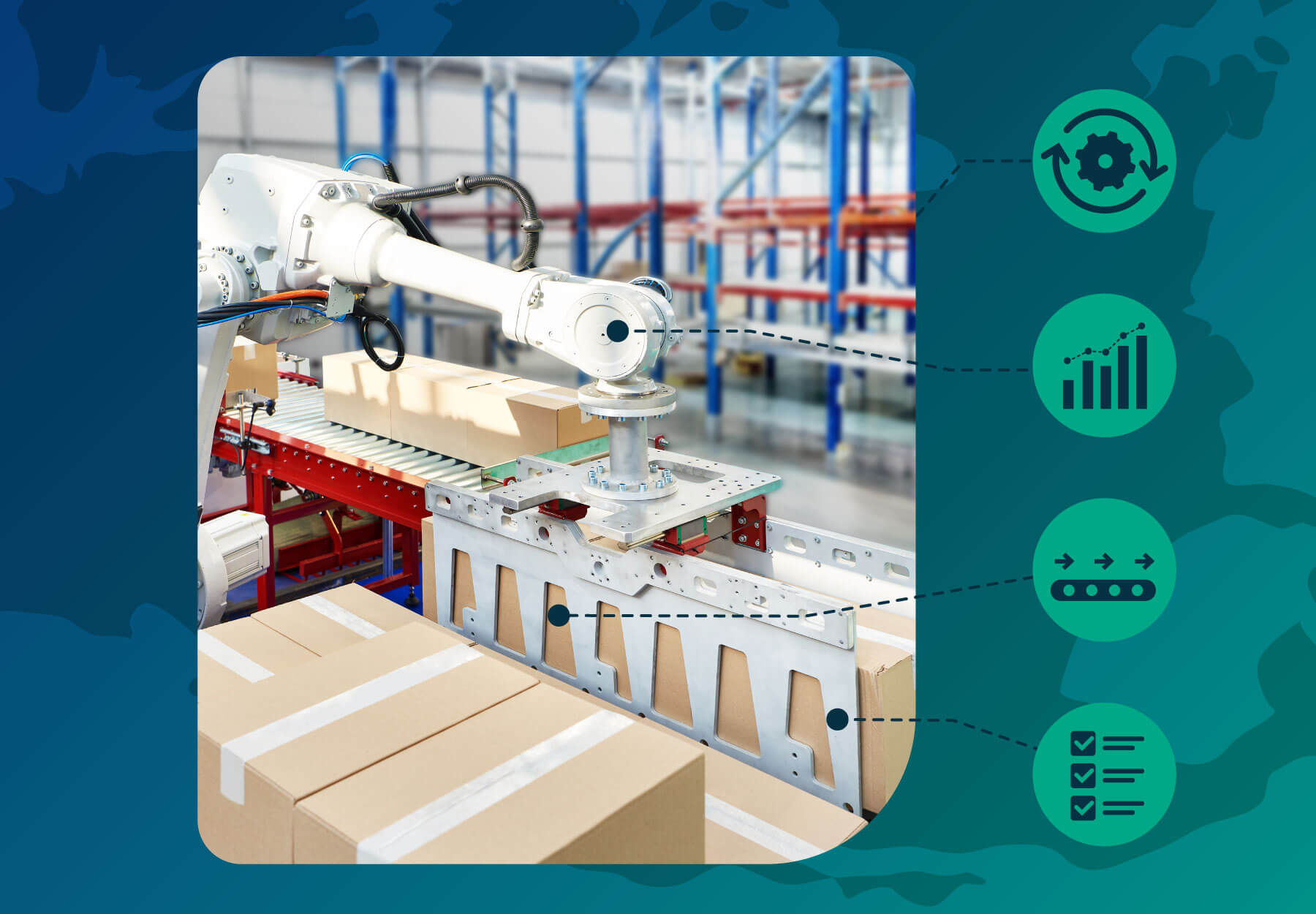
As warehouses become more automated, pallet condition matters more than it did ten years ago. Conveyor systems and AS/RS environments depend on repeatable handling conditions to maintain throughput.
Remove Damaged Pallets Immediately
Damaged pallets should leave active circulation immediately.
Broken boards, exposed fasteners, cracked deck surfaces, or compromised runners create hazards for both employees and automated systems. One damaged platform can jam conveyor equipment, destabilize inventory, or spread debris across the warehouse floor.
In many facilities, the larger cost is not the pallet itself. It is the downtime, damaged product, cleanup, and shipment delays that happen after a pallet failure slows down the floor.
Forklift and Pallet Jack Safety
Busy forklift traffic increases the chance of handling incidents, especially around dock doors, staging lanes, and outbound loading areas.
Facilities operating under tighter shipping schedules need clear procedures for transport, staging, visibility, and load positioning throughout the building.
Keep Travel Paths Clear
Blocked forklift lanes create unnecessary handling risk.
Operators should have clear visibility when moving loaded pallets through the facility. Loose debris, damaged platforms, shrink wrap, or poorly staged inventory increase the likelihood of collisions and unstable movement.
Congested lanes slow forklift movement and create avoidable delays during busy shipping windows.
Verify Load Stability Before Movement
Loads that shift during transport increase the chance of damaged inventory and unsafe forklift handling.
Operators should review:
- load balance
- pallet condition
- overhang issues
- shrink wrap stability
- uneven product distribution
Predictable pallet dimensions also help improve load support throughout the operation.
How OSHA Standards Apply to Pallet Safety
OSHA pallet safety requirements generally fall under broader workplace safety and material handling regulations.
Facilities are expected to maintain safe storage conditions, reduce fall hazards, train employees properly, and keep work areas free from recognized safety risks. OSHA also places responsibility on employers to maintain equipment and storage practices that do not create dangerous working conditions.
Some of the most common OSHA-related pallet safety concerns include:
- unstable pallet stacks
- blocked aisles or exits
- unsafe forklift operation
- damaged pallets remaining in circulation
- poor housekeeping around loading areas
- improper manual lifting practices
Many companies now evaluate pallet safety as part of larger risk reduction initiatives tied to insurance costs, labor retention, and facility reliability.
Common Hazards of Unsafe Pallet Stacking
Unsafe stacking practices create more than injury risk.
They also contribute to workflow disruption that slows warehouse throughput, increases labor costs, and creates avoidable equipment downtime.
| Unsafe Stacking Issue | Operational and Safety Impact |
|---|---|
| Leaning pallet stacks | Increased collapse and falling inventory risk |
| Damaged pallets in stacks | Unstable loads and conveyor disruption |
| Overstacked empty pallets | Reduced visibility and higher fall hazard |
| Uneven load distribution | Forklift instability and shifting product |
| Debris buildup near stacks | Trip hazards and equipment interference |
| Mixed pallet dimensions | Automation jams and inconsistent material flow |
Automated systems depend on stable pallet movement. Uneven pallet dimensions, shifting loads, or damaged platforms can quickly interrupt conveyor flow and AS/RS performance.
Most conveyor jams and handling slowdowns do not start at the automation system itself. They usually begin earlier with damaged pallets, unstable staging, or uneven loads moving through the facility.
Wood Pallets vs Plastic Pallets for a Safe Warehouse
Pallet safety is heavily influenced by consistency.
In high-volume facilities, unstable loads, damaged platforms, exposed fasteners, and dimensional variation can create both injury risks and operational disruption. Many operations teams now evaluate pallets as part of a broader material handling and workplace safety strategy rather than just a shipping platform.
Wood vs Plastic Pallets: Safety and Operational Differences
| Safety Area | Wood Pallets | Plastic Pallets |
|---|---|---|
| Surface Condition | May splinter, crack, or develop exposed nails over time | Smooth surfaces with no nails or loose boards |
| Weight Consistency | Weight can vary due to moisture absorption and wear | Consistent weight helps improve handling predictability |
| Manual Handling | Rough edges and inconsistent condition may increase handling strain | Lighter weight and smoother construction support safer movement |
| Load Stability | Damaged boards or uneven wear can affect load balance | Consistent dimensions help improve load stability |
| Floor Debris | Broken boards, splinters, and nails can create cleanup and trip hazards | Reduced debris buildup around work areas |
| Conveyor & Automation Performance | Damaged or inconsistent pallets may contribute to jams or misalignment | Uniform sizing supports smoother conveyor and AS/RS flow |
| Forklift Handling | Broken runners or deck damage may affect fork entry | Four-way entry and consistent openings improve handling |
| Moisture Exposure | May absorb liquids that affect integrity over time | Non-porous construction resists moisture absorption |
| Workplace Safety Risk | Damaged pallets may increase risk of cuts, trips, falling loads, or handling injuries | Consistent construction helps reduce avoidable handling hazards |
Safety Tips for Keeping Employees Injury-Free Around Pallets
Regardless of pallet type, facilities should maintain clear pallet safety procedures across the operation.
Key best practices include:
- remove damaged pallets from circulation immediately
- keep forklift pathways clear
- avoid uneven or overloaded pallets
- train employees on proper lifting posture and handling techniques
- limit empty pallet stack height
- keep staging areas free from debris
- inspect pallets before use in high-volume environments
- maintain stable, level pallet stacks
- use pallets with standardized dimensions in automated operations
Many warehouse injuries and automation slowdowns are tied less to one major failure and more to repeated small handling issues that build operational friction over time.
Plastic Pallet Features That Enhance Warehouse Safety
High-quality plastic pallets help reduce several common safety and operational issues found in busy distribution environments.
Key safety-related features include:
- Consistent dimensions: Reliable sizing improves conveyor flow, rack fit, and automation performance.
- Lighter weight: Plastic pallets are lighter than many comparable wood block pallets, helping reduce manual handling strain.
- Unibody construction: Integrated designs eliminate loose boards and exposed nails.
- Smooth surfaces: Reduced debris helps lower cleanup requirements and equipment jams.
- Moisture resistance: Plastic does not absorb liquids that may affect weight consistency or sanitation.
- Four-way entry: Easier forklift access improves maneuverability during transport and staging.
- Automation compatibility: Uniform platforms help reduce interruptions in AS/RS and conveyor systems.
Pooling systems add another workflow layer by keeping pallets circulating through standardized inspection, retrieval, and recycling processes. That approach helps facilities reduce variability without managing large inventories of mixed-condition platforms internally.
Why Pallet Safety Matters More in Modern Supply Chains
Pallet safety affects far more than workplace compliance.
In high-volume distribution environments, pallet condition directly influences labor efficiency, automation uptime, inventory flow, product protection, and operational reliability. Small handling problems repeated across thousands of daily movements often create larger downstream costs than most facilities initially expect.
As warehouses become faster, denser, and more automated, many operations teams are placing greater focus on reducing variability throughout the material handling system. That includes the pallet itself.
Uniform pallet dimensions, stable load support, smoother forklift handling, and reduced debris all help create safer and more predictable warehouse conditions.
Plastic pallet pooling adds another operational advantage by helping facilities maintain more standardized pallet quality without managing internal repair, sorting, and recovery programs across the network.
For many supply chains, pallet safety is now tied directly to warehouse efficiency, automation performance, labor reliability, and keeping product moving without unnecessary interruption. It has become part of a broader strategy focused on safer workflows, reduced equipment interruption, and more reliable material flow across the entire distribution environment.
FAQs
What is pallet safety?
Pallet safety refers to the procedures and handling practices used to reduce injury risk, product damage, and workflow slowdown when storing, moving, lifting, or transporting pallets inside a facility.
How does OSHA regulate pallet safety?
OSHA regulates pallet safety through broader workplace safety and material handling standards. Employers are responsible for maintaining safe storage conditions, training employees properly, and reducing recognized hazards tied to lifting, stacking, forklifts, and warehouse operations.
What are some common safety concerns with pallets?
Common pallet safety concerns include unstable stacks, broken boards, protruding nails, uneven loads, blocked forklift pathways, falling inventory, conveyor jams, and manual lifting injuries. Facilities using automated systems may also experience facility slowdowns from inconsistent pallet dimensions or damaged platforms.
Are plastic pallets safer for employees than wood pallets?
Plastic pallets can help reduce several common workplace safety risks tied to pallet handling. Their smooth, unibody construction eliminates exposed nails, loose boards, and splinters that may cause injuries during manual handling or forklift movement. Consistent dimensions also help improve load stability and reduce unexpected shifting during transport inside the facility.
What pallet safety issues commonly violate OSHA standards?
Some of the most common OSHA-related pallet safety concerns include unstable pallet stacks, damaged platforms left in circulation, blocked forklift pathways, unsafe manual lifting practices, and falling inventory caused by uneven loads. Facilities may also face safety risks when broken pallets create debris near conveyors, rack systems, or pedestrian traffic areas.
How does pallet pooling help improve workplace safety?
Pallet pooling helps reduce the number of damaged or inconsistent pallets moving through the operation. Pool providers inspect, recover, clean, and recycle pallets throughout circulation, which helps maintain more reliable handling conditions across warehouses and distribution centers. In high-volume environments, that consistency can help reduce conveyor interruptions, unstable loads, and manual handling issues that increase injury risk.
As warehouses become faster and more automated, pallet condition plays a larger role in employee safety, equipment uptime, and material flow across the facility. iGPS plastic pallets help reduce common handling issues tied to broken boards, exposed nails, unstable loads, and inconsistent pallet dimensions. For more information about plastic pallet pooling and safer warehouse operations, contact iGPS at 1-800-884-0225, email switch@igps.net, or visit our contact page.