Key Takeaways
- While factors such as training and protective equipment are foundational to safety, effective material handling is also vitally important.
- When material handling processes are poorly designed, small inefficiencies can lead to injuries.
- Most workplace injuries don’t stem from one incident; they happen because workers are working within systems that make risk more likely.
- Plastic pallets play an important role in material handling safety because they are lighter, more uniformly constructed, and don’t have protruding nails or splinters.
- Consistent material handling processes also lead to more confident workers because they know what to expect.
- Ultimately, supply chain operations with better material handling processes have happier workers, less injuries, and more overall resilience.
In supply chain operations, injury prevention is both critical and multifaceted. Safety officers reinforce the importance of training and situational awareness, of procedural compliance, of personal protective equipment. These elements are fundamental. But equally important is an often-overlooked contributor to warehouse and facility safety: effective material handling throughout each aspect of the operation.
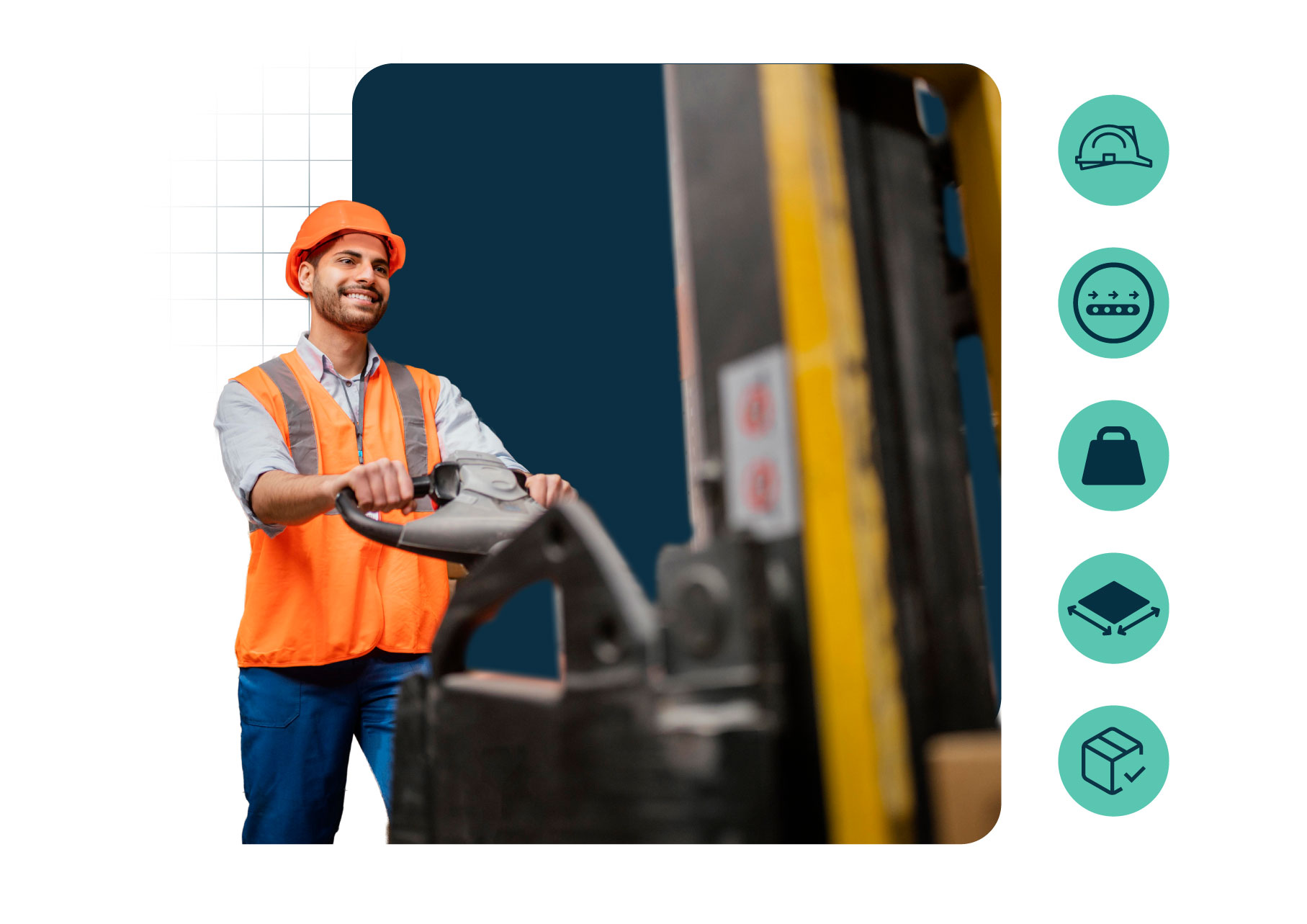
Every lift, shift, stack, or other movement creates an opportunity for either efficiency or a preventable accident. When material handling processes aren’t well designed, workers may be forced to compensate with awkward movements or repeated manual adjustments. Over time, small inefficiencies can add up to strains and sprains, trips and falls, or more serious injuries.
But when material handling is approached sensibly and strategically, organizations can reduce injuries while also improving throughput, productivity, and employee morale.
How Friction Creates Risk
Many workplace injuries don’t stem from one single moment of recklessness. They happen because employees are operating within systems and processes that increase the likelihood of risk.
Many workplace injuries do not stem from a single reckless act. They happen because employees are working within systems that make risk more likely. For example, a pallet that unexpectedly shifts — because it is in a warehouse in which damaged pallets are allowed to remain in circulation. Or a package that requires extra force to lift or reposition — because it wasn’t designed for safe grip or movement in the first place. And when work areas are laid out without sufficient attention to ergonomics, workers end up bending and reaching in ways that put strain on the body. The risk is already built into the environment, at which point it’s only a matter of time before injury occurs.
When companies look closely at injury trends, many incidents are centered around material handling tasks. Repetitive lifting, damaged pallets, and unstable loads can all increase physical strain on workers, causing either immediate injury or stress and fatigue that translates into an accident later.
In busy warehouses and distribution environments, experienced employees learn to spot issues quickly, developing ways to work around problems and compensate for imperfect conditions. Common sources of avoidable injuries in such settings include:
- Unstable load bases that shift or lean
- Damaged wood pallets with rough edges, splinters, or protruding nails
- Heavy components that increase strain during manual movement
Safer material handling environments remove the need for workarounds, giving employees predictable, stable surfaces and tools to work with.
The Role of Shipping Pallets
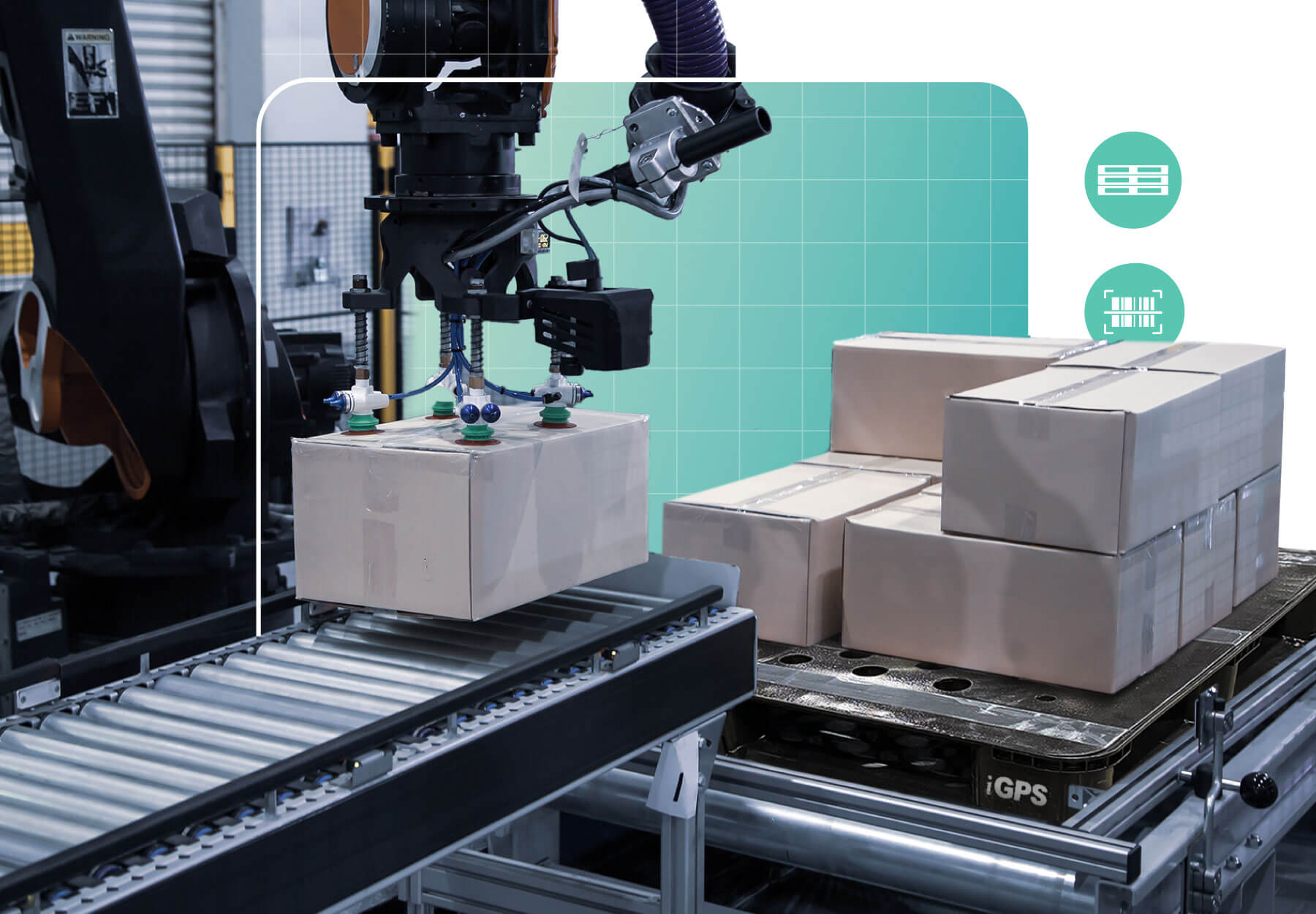
Material handing safety discussions often begin with forklifts, conveyors, and automated equipment. But the load foundation matters too. Pallets are what products rest upon as they move through the supply chain, and their condition and construction have a direct impact not only on product stability, but also worker safety.
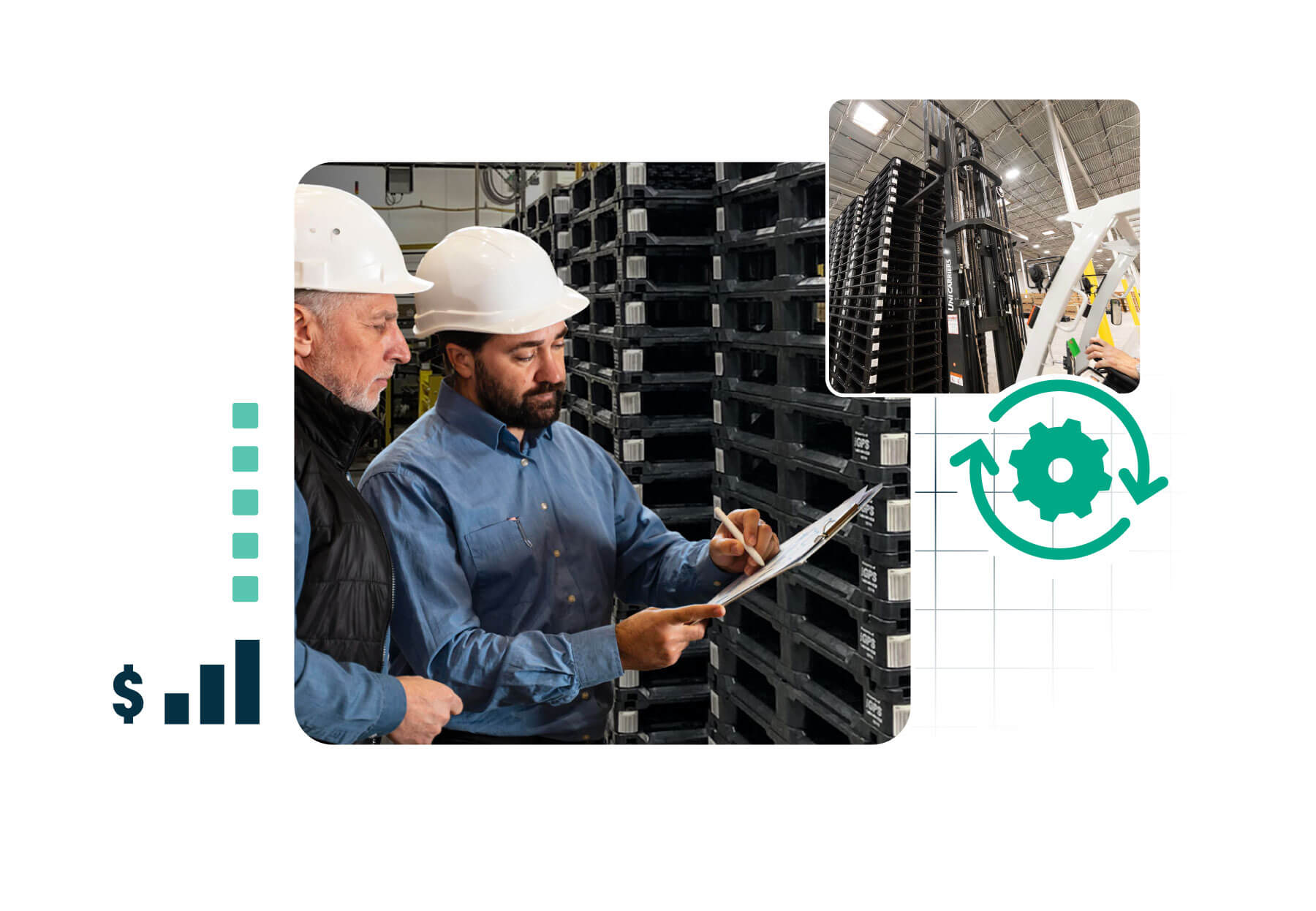
This is among the many reasons that plastic pallets have earned a deserving place in modern, safety-minded operations. Compared with traditional wood-block pallets, plastic pallets — such as those available in the iGPS pooling network — offer a lighter, moisture-resistant, and uniform structure that reduces many of the hazards associated with manual handling. In plastic pallet environments, workers are not dealing with splinters, broken boards, and nails. The consistent dimensions and smoother, more durable construction also support more predictable stacking and transport. Anyone who has spent time in busy warehouse environments has likely seen the alternative: a worn wooden pallet that, while still technically usable, seems to be waiting to cause trouble.
This does not mean that pallet choice alone prevents all injuries. But it does demonstrate that the equipment and materials that touch products deserve sharper scrutiny in the safety conversation.
Consistency Leads to Confidence
There is also an important psychological aspect of safe material handling. When workers know what to expect from the materials they use every day, they work with less hesitation and improved confidence. Consistency helps people work more efficiently because they know what they are dealing with. They don’t need to constantly assess whether a pallet is cracked, whether a surface is unsafe to touch, or whether a load is about to shift.
That confidence is important. Uncertainty slows operations and leads to rushed decisions and careless errors. In contrast, standardized materials and consistent handling practices reduce guesswork while helping teams maintain safer processes. This is yet another area where durable, uniform plastic pallets can play an important part in the bigger safety picture.
An environment that involves safe material handling need not be the most expensive or modern. What matters is predictability, rigor, and discipline. When the flow of materials becomes safer, the benefits flow outward: fewer injuries, less disruption, stronger trust from employees and partners, and an overall supply chain that operates with greater resilience.
This is more than a good safety practice. It’s good business.
Frequently Asked Questions
What is material handling in the supply chain?
Material handling is the movement, storage, control, and protection of materials and products throughout the supply chain, from raw materials to finished goods. It includes how items are received, transported, stored, picked, and shipped. Done well, material handling improves efficiency, reduces damage, lowers labor strain, and helps operations run smoothly from warehouse to delivery.
What are good material handling principles?
Good material handling principles focus on moving products safely, efficiently, and with as little waste as possible. That means reducing unnecessary touches, using the right equipment, standardizing processes, maximizing space, and designing for smooth flow. Strong material handling also emphasizes worker safety, ergonomic practices, load stability, and choosing systems that improve productivity without increasing risk.
Why are plastic pallets safer for material handling?
Plastic pallets are often safer for material handling because they are lighter, more uniform, and less likely than wood pallets to splinter, crack, or have protruding nails. Their consistent construction supports stable loads and safer equipment handling. Many are also easier to clean and resist moisture, mold, and contamination, helping create a safer environment for workers and products alike.
Companies that want to reduce injury risk don’t stop at training and PPE. They look at how materials move through the operation and where friction shows up day to day.
iGPS pooled plastic pallets support safer material handling with consistent dimensions, lighter weight, and a clean, durable design without common hazards like nails, splinters, and debris. Backed by a managed national network, they help standardize the load base across facilities while reducing the need for repair, sorting, and excess pallet storage.
To evaluate how pallet choice affects safety and performance in your network, call 1-800-884-0225, email switch@igps.net, or visit our contact page to connect with a pallet specialist.