Key Takeaways
- Damaged pallets often create operational friction long before they cause a safety incident or equipment failure.
- Small handling delays, load instability, and automation disruptions can accumulate into meaningful labor and productivity costs.
- The largest costs associated with pallet damage frequently come from product loss, downtime, rework, and service disruptions rather than pallet replacement.
- Consistent pallet quality becomes increasingly important in automated, high-throughput warehouse environments.
- Many companies reduce pallet-related variability by using pooled plastic pallets that are regularly inspected, maintained, and managed through a controlled network.
Damaged pallets are often viewed as a maintenance issue or a routine warehouse expense. In reality, they can affect labor productivity, automation performance, product quality, equipment reliability, and workplace safety throughout the supply chain.
The challenge is that most pallet-related problems develop gradually. Loads continue moving, orders continue shipping, and operations continue running. Meanwhile, small inefficiencies begin accumulating across receiving, storage, picking, and shipping activities.
Understanding how pallet damage affects warehouse operations can help facilities identify risks earlier and reduce avoidable costs before they become larger productivity problems.
How Damaged Pallets Slow Down Loading
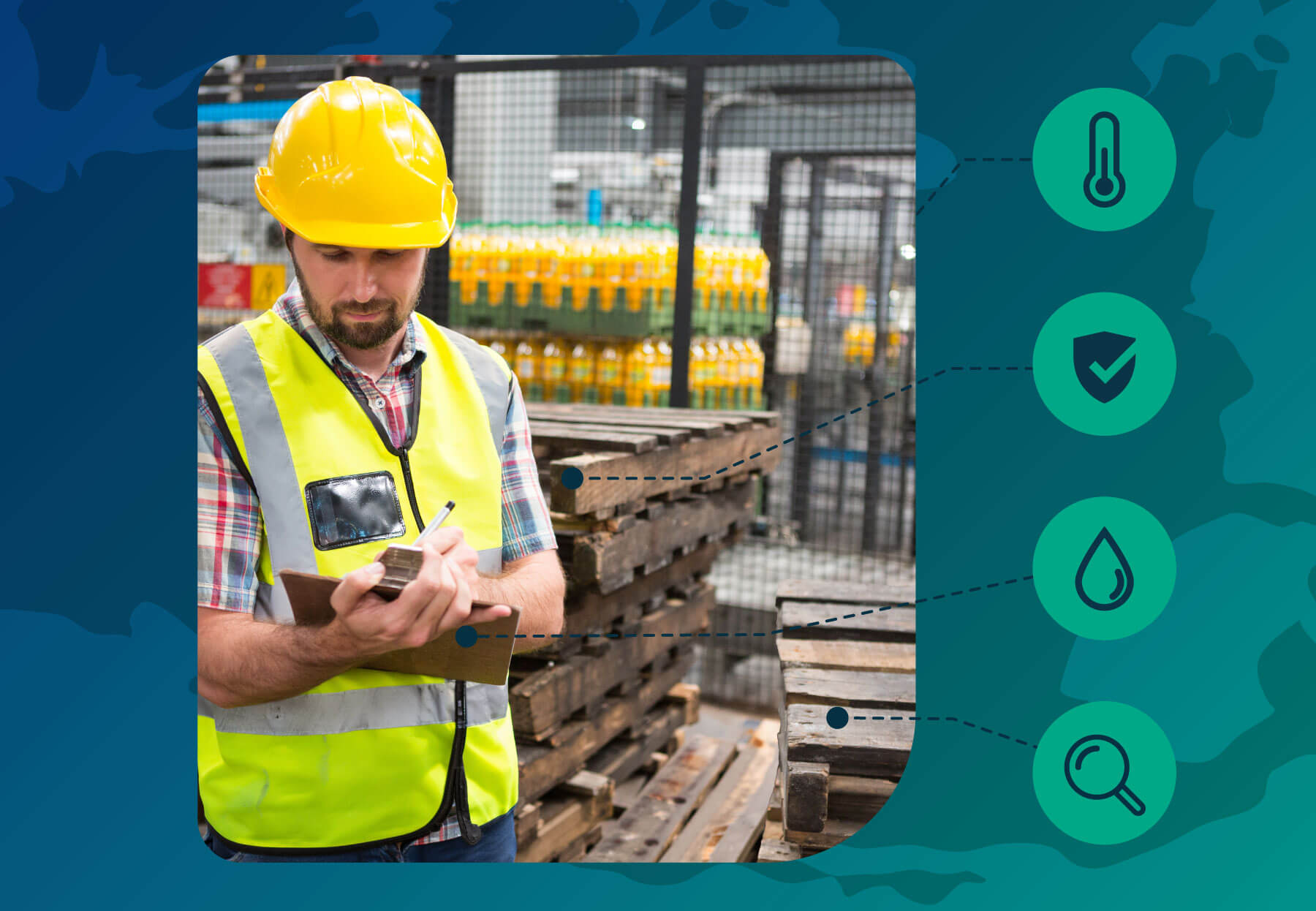
Many facilities don’t notice the impact of pallet damage until it starts affecting throughput, labor efficiency, or product quality.
The challenge is that the largest costs rarely come from replacing the pallet itself. They show up later as rework, downtime, product damage, and labor inefficiencies.
| If a pallet is damaged… | What happens next? | Operational impact |
|---|---|---|
| Forklift entry points are broken or uneven | Operators spend more time positioning forks and handling loads cautiously | Slower loading and unloading |
| Load support weakens | Product shifts during storage or transport | Increased product damage and rework |
| Dimensions vary due to wear or damage | Conveyors and automated equipment require intervention | Downtime and reduced throughput |
| Components break during handling | Loads must be restacked or transferred | Additional labor and shipping delays |
| Debris enters the facility | Cleanup and inspections increase | Reduced warehouse productivity |
| A weakened pallet enters pallet racking | Load instability becomes more likely | Greater safety and rack damage risk |
Pallet issues rarely stay isolated to a single area of the operation. A single pallet issue can affect labor productivity, equipment uptime, product integrity, and service performance at the same time.
Forklift & Equipment Inefficiency
Operators often encounter:
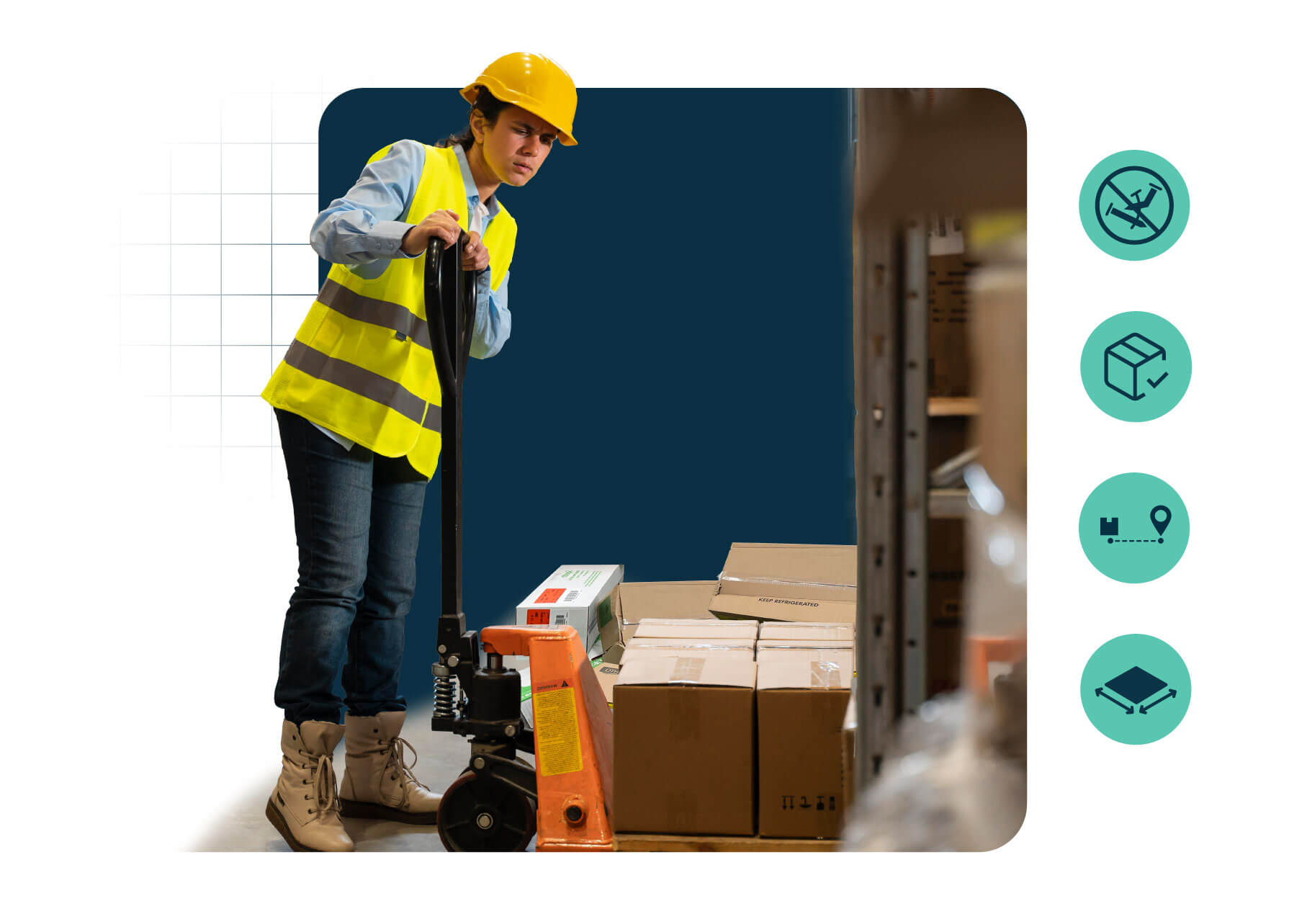
- Forklift operators repositioning forks multiple times to enter unstable pallets
- Loads requiring additional inspection before movement
- More cautious handling due to visible structural damage
- Additional labor spent isolating and replacing pallets with structural damage
- Delays during receiving, staging, and loading activities
A typical distribution center may move thousands of palletized loads each week. If operators lose only a few seconds handling pallets with structural damage, those delays can accumulate into hours of lost productivity over the course of a month.
Automation & Conveyor Jams
Facilities using conveyors, AS/RS systems, and other automated equipment depend on pallet consistency.
Common issues include:
- Pallets catching on conveyor transitions
- Equipment faults caused by deteriorated pallets
- Manual intervention to clear jams or reposition loads
- Reduced throughput during peak production periods
- Additional maintenance caused by debris entering equipment
Facilities often invest in automation to reduce manual touches, only to discover that inconsistent pallet quality continues creating exceptions that require operator intervention.
Shifting Loads During Storage and Transport
Product damage frequently begins with load movement that develops gradually over time.
Risks increase with:
- Leaning loads
- Uneven weight distribution
- Stretch wrap loosening during storage or transport
- Product overhang becoming unsupported
- Cases shifting while stored in racks or trailers
When loads become unstable, the resulting product damage may not be discovered until the shipment reaches a distribution center, retailer, or customer.
The Cost of Small Delays
Small delays add up quickly. The challenge with pallets in poor condition is that they rarely create an immediate failure.
What changes is the amount of effort required to keep everything moving. The warehouse appears to be functioning normally, but costs are quietly accumulating. When operators repeatedly spend extra time handling deteriorated pallets, clearing exceptions, restacking product, or addressing load stability issues, the cumulative impact can become significant long before anyone identifies pallet quality as the root cause.
Over time, those small inefficiencies become lower throughput, higher labor costs, and reduced equipment utilization. Warehouse teams often find those costs exceed the expense of replacing the pallet long before a major safety event, equipment issue, or product loss occurs.
Risks and Liabilities for a Logistics Company
Most pallets with structural damage do not create immediate failures.
Loads continue moving. Trucks continue shipping. Orders continue leaving the building.
The challenge is that most pallet-related costs show up gradually through rework, downtime, product damage, and extra labor. Eventually those issues show up as safety incidents, damaged product, equipment repairs, customer complaints, or compliance concerns.
For warehouse and distribution leaders, pallet issues rarely stay contained. The question is whether the first sign appears as downtime, product damage, a safety concern, or a customer complaint.
| Stage | What You See | What It Costs |
|---|---|---|
| 1. Damaged pallet enters circulation | Load still moves normally | Usually nothing obvious |
| 2. Load handling becomes less efficient | Extra forklift adjustments, inspections, rework | Labor time |
| 3. Product or equipment issues appear | Leaning loads, damaged cases, conveyor interruptions | Product loss and downtime |
| 4. Incident occurs | Rack strike, safety event, rejected shipment | Recovery costs |
| 5. Investigation follows | Audit, claim, customer complaint, corrective action | Administrative and compliance costs |
Most operations teams can absorb a single pallet defect. What becomes expensive is dealing with the same issue dozens of times each day.
Workplace Safety Hazards
According to the U.S. Bureau of Labor Statistics, transportation and material moving occupations account for hundreds of thousands of nonfatal workplace injuries annually, highlighting the importance of reducing avoidable handling risks throughout warehouse operations.
Safety incidents are often the final result of smaller operational problems that went unaddressed.
Watch for:
- Leaning loads stored at height
- Broken boards and exposed fasteners
- Workers manually correcting unstable loads
- Product shifting during transport
Many operations focus on incident prevention by identifying pallet issues before they affect employees.
Inventory Loss and Rejected Shipments
The pallet itself is rarely the most expensive item involved.
Potential consequences include:
- Damaged packaging
- Shifted inventory
- Rejected shipments
- Product disposal
- Customer claims
A damaged pallet may cost a few dollars to replace. The inventory on top of it can be worth hundreds or thousands. Retailers may also impose fines on suppliers that deliver damaged products or broken pallets.
Equipment and Rack Damage
Load instability can increase stress throughout the facility.
Areas commonly affected include:
- Forklifts
- Conveyor systems
- Storage racks
- Automated handling equipment
The resulting downtime often costs more than the repair itself because operations slow while equipment is inspected or serviced.
Compliance and Insurance Costs
Recurring pallet-related issues can create broader business risks.
Potential consequences include:
- Audit findings
- Customer complaints
- Incident reporting requirements
- Insurance investigations
- Additional documentation and corrective actions
These costs typically appear long after the damaged unit first entered circulation.
The Real Risk Is Delay
It is common for facilities to remove weakened pallets only after a product loss, safety event, or equipment issue occurs.
By that point, the pallet has often been creating operational friction for weeks or months.
The most effective damage prevention programs focus on identifying problems early, before they affect throughput, inventory, equipment, or employee safety.
Plastic Pallets vs Wood Pallets for Reduced Damage
When the goal is reducing pallet-related disruptions, the discussion is often less about pallet material and more about consistency.
Wood pallets can perform well when properly maintained and inspected. However, age, repair history, and moisture exposure can create variability over time. The National Wooden Pallet and Container Association (NWPCA) recommends regular inspection programs to identify pallet defects before they enter service.
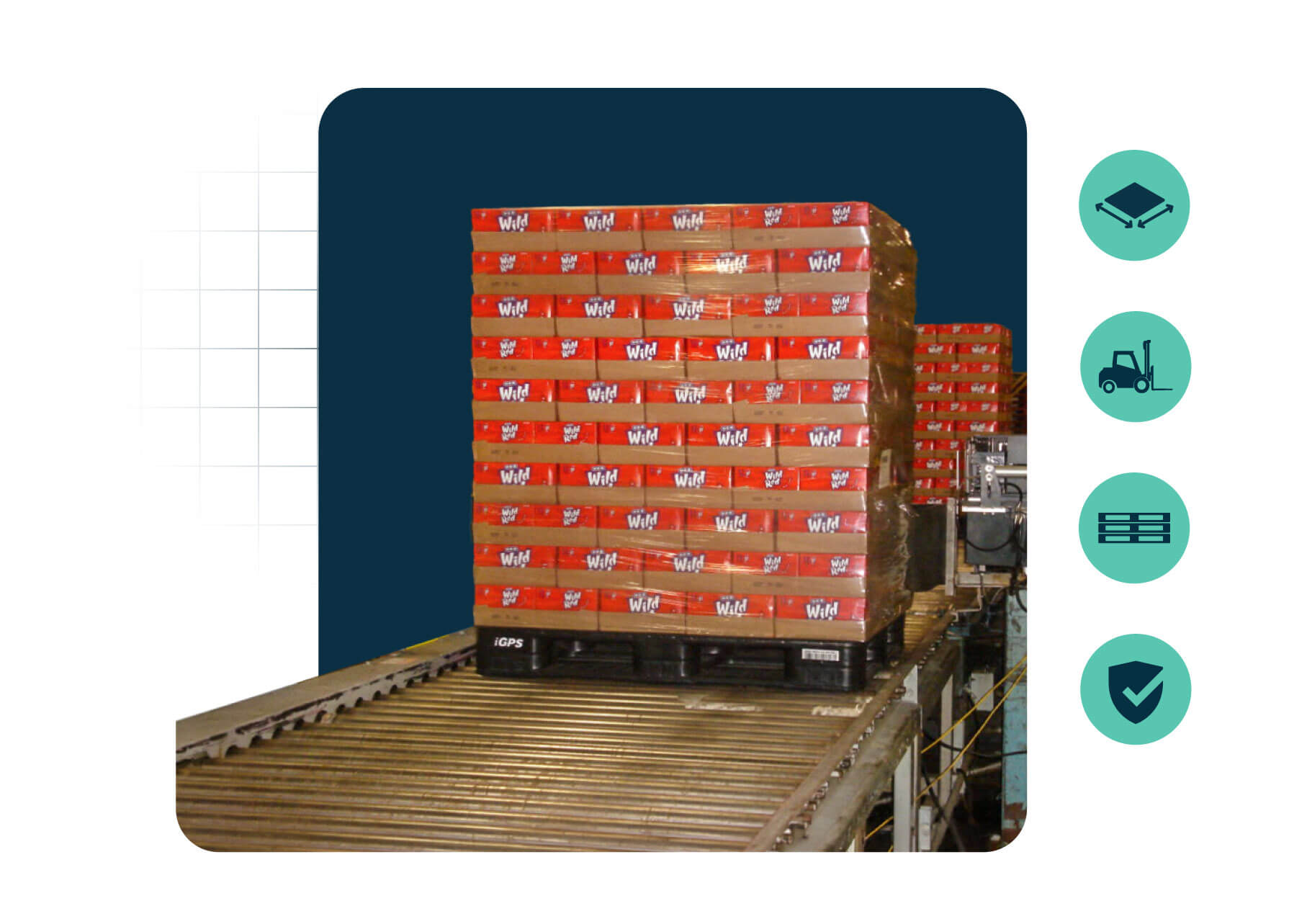
Plastic pallets are designed to provide a more consistent shipping platform, particularly in high-throughput and automated environments.
| Operational Consideration | Wood Pallets | Plastic Pallets |
|---|---|---|
| Dimensional consistency | Can vary over time | Consistent size and shape |
| Moisture absorption | Can absorb moisture | Impervious to liquids |
| Debris generation | Can shed splinters or broken pieces | Smooth, non-porous surface |
| Automation compatibility | Performance may vary based on condition | Consistent movement through automated systems |
| Pallet quality management | Requires ongoing inspection and sorting | Standardized through pooling programs |
For facilities running conveyors, AS/RS systems, pallet racking, or high-volume distribution operations, reducing variability is often the primary objective.
Pallet pooling adds another layer of control by providing access to pallets that are regularly inspected, cleaned, repaired, and recycled within a managed network. This helps reduce the burden of maintaining pallet quality while supporting more consistent warehouse operations.
Best Practices for Reducing Pallet Damage in the Warehouse
Reducing pallet damage is less about reacting to failures and more about controlling risk throughout the pallet lifecycle.
Inspect → Verify → Remove → Prevent
| Step | Goal |
|---|---|
| Inspect pallets regularly | Identify damage before it enters operations |
| Verify pallet suitability | Match the pallet to the application |
| Remove damaged units | Prevent safety, product, and equipment issues |
| Follow safe stacking practices | Maintain load stability throughout storage and transport |
Facilities that consistently follow these four steps are often better positioned to reduce product damage, equipment downtime, and pallet-related safety risks.
Conduct Regular Pallet Inspections
A pallet inspection program should focus on identifying issues before loads enter storage, transportation, or automated systems.
Look for:
- Cracked or broken components
- Missing blocks or supports
- Damaged forklift entry points
- Excessive wear or deterioration
- Signs of load-bearing weakness
Many warehouse teams perform inspections during receiving, picking, staging, and shipping activities to catch issues before they affect operations.
Choose Plastic Pallets and Verify Markings
The shipping platform itself plays an important role in damage prevention.
When evaluating pallets, verify:
- Load ratings for the intended application
- Compatibility with pallet racking systems
- Automation and conveyor requirements
- Consistent dimensions and construction
- Proper pallet identification and markings
Many operations use plastic pallets because they maintain consistent dimensions, resist moisture, and do not shed debris that can interfere with equipment.
Handle Damaged Pallets with Caution
Once damage is identified, the priority should be preventing the pallet from re-entering circulation.
Best practices include:
- Remove damaged units immediately
- Train employees to report defects
- Establish clear quarantine procedures
- Document recurring damage patterns
- Investigate root causes when failures repeat
A compromised pallet that remains in service can create far greater costs than the pallet itself.
Ensure Safe Stacking Practices
Even a pallet in good condition can create problems if loads are stacked improperly.
Focus on:
- Even weight distribution
- Minimal product overhang
- Proper stretch wrapping
- Stable stacking patterns
- Load configurations appropriate for storage height
This becomes particularly important in high-bay warehouses where loads may remain stored for extended periods before movement.
Conclusion
Most warehouse leaders don’t lose sleep over the cost of replacing a pallet.
What concerns them is the impact inconsistent pallet quality can have on throughput, equipment uptime, and product protection.
A pallet that slows forklift handling, contributes to product damage, disrupts automation, or increases equipment downtime can affect far more than the shipping platform itself. Those costs often appear in labor productivity, service performance, maintenance budgets, and customer satisfaction.
As supply chains continue investing in automation, throughput, and operational efficiency, many organizations are shifting their focus from replacing deteriorated pallets to reducing pallet variability altogether. As automation expands and labor costs remain under pressure, consistency across every load move becomes increasingly valuable.
For companies seeking greater control over pallet quality, pooled plastic pallet programs offer an alternative approach. By combining standardized pallet specifications with ongoing inspection, repair, cleaning, retrieval, and recycling services, pallet pooling helps reduce variability and support safer, more reliable warehouse operations.
FAQs
What are some common safety concerns with pallets?
Common concerns include broken boards, protruding nails, splinters, compromised pallet components, unstable loads, and structural defects that increase the risk of injury during handling and storage activities.
Can damaged pallets cause damage to equipment or racks?
Yes. A compromised pallet can create uneven loads that are more difficult to place and retrieve safely. Over time, unstable loads may increase the risk of impacts involving forklifts, pallet racking, conveyors, and other material handling equipment. While a single incident may seem minor, repeated pallet-related disruptions can contribute to higher maintenance costs and operational downtime.
What can affect the stability of a load on a pallet?
Load stability can be affected by pallet condition, uneven weight distribution, poor stacking practices, inadequate shrink wrap, excessive product overhang, moisture exposure, and damage to the pallet’s support structure.
How to prevent pallet damage?
Companies can reduce pallet damage through routine inspections, proper handling procedures, employee training, safe stacking practices, and durable pallet systems designed for the operational demands of modern supply chains.
How does pallet pooling help reduce pallet-related disruptions?
Pallet pooling helps reduce variability by providing access to pallets that are regularly inspected, repaired, cleaned, and managed within a controlled network. Instead of maintaining and sorting pallet inventories internally, companies receive pallets that meet consistent quality standards, improve warehouse performance throughout the supply chain.
Why do some companies switch from wood pallets to pooled plastic pallets?
Many companies make the switch to improve consistency across warehouse, transportation, and automation processes. Plastic pallets maintain uniform dimensions, resist moisture, do not shed debris, and support reliable movement through material handling systems. Combined with pallet pooling, they can reduce the burden of managing pallet quality while supporting safer and more efficient operations.
How can a damaged pallet affect warehouse productivity?
A deteriorated pallet can slow forklift handling, require additional inspections, create load rework, and increase manual intervention. In high-volume operations, even small delays can reduce throughput and create bottlenecks affecting receiving, storage, picking, and shipping.
Why are damaged pallets often overlooked until they become a larger problem?
Many pallets in poor condition remain in circulation because they continue to support loads well enough to avoid immediate failure. The challenge is that material flow impacts often appear gradually through slower handling, increased product damage, automation disruptions, and maintenance issues. By the time these costs become apparent, the underlying pallet-quality problem may have persisted for months.
Operations focused on reducing risk, improving operational efficiency, and reducing waste increasingly evaluate the shipping platform itself as part of broader warehouse performance initiatives. Consistent pooled plastic pallets help support safer handling, improved load stability, and more reliable movement throughout the supply chain. For more information about iGPS plastic pallet pooling solutions, contact us at 1-866-557-0047, email switch@igps.net, or visit our contact page.