Key Takeaways
- Cold chain logistics in 2026 reflects defensive shifts driven by regulatory pressure, energy costs, and low tolerance for spoilage across global supply chains.
- Visibility, automation, and compliance depend on pallet consistency; variable platforms weaken real-time tracking, temperature control, and flow inside cold storage facilities.
- Plastic pallets provide uniform, non-porous platforms that perform reliably in refrigerated environments and support automation across cold chain operations.
- Pallet pooling strengthens resilience by eliminating empty pallet returns, excess inventory, and quality variability across logistics providers and partners.
- Cold chain systems perform best when pallet infrastructure aligns with data, sustainability, and compliance strategies across the entire supply chain.
Trends to Look for in 2026
Cold chain logistics in 2026 reflects pressure, not novelty. Regulatory scrutiny is rising, energy costs keep climbing, and tolerance for spoilage keeps shrinking across global supply chains. These trends shaping the cold chain industry share a pattern: digital tools advance fast, while physical infrastructure often lags behind.
That pressure is amplified by scale. The scale of this pressure is growing quickly: the global cold chain logistics market is projected to reach $383 billion by 2026, driven largely by food, beverage, and pharmaceutical demand for temperature-controlled storage and transportation.
Alignment now determines supply chain efficiency across cold storage facilities, transportation, and partners.
IoT and Real-Time Visibility
IoT adoption accelerates because visibility has become a compliance and risk issue. Sensors, RFID-equipped pallets, and real-time monitoring tools create event-level records across cold chain operations.
Investment patterns reinforce this shift. The global cold chain monitoring market — including sensors, tracking systems, and real-time environmental controls — is expected to grow from $23 billion in 2025 to nearly $82 billion by 2031 underscoring how central real-time data has become to cold chain operations.
Breakdowns appear when physical assets fail to support data capture. Inconsistent pallets slow scans, disrupt real-time tracking, and weaken traceability for temperature-sensitive products. Cold chain systems perform better when platforms move predictably through warehouses, refrigeration zones, and shipment handoffs.
AI and Predictive Analytics
Artificial intelligence supports demand forecasting, route planning, and spoilage reduction. Predictive analytics help companies optimize cold chain operations by flagging risk before disruption spreads.
Data quality limits these tools. Gaps appear when physical infrastructure introduces friction; jams in automation, re-handling, or inconsistent unit loads create blind spots.
A missed scan or stalled conveyor inside a cold storage facility can cascade into inaccurate forecasts or delayed interventions. Predictive models depend on reliable movement through the warehouse and cold storage environment.
Sustainability Initiatives
Sustainability now ties directly to operating cost and regulatory exposure. Companies invest in sustainable practices to cut energy use, reduce spoilage, and lower carbon footprint across the entire supply chain.
Physical assets shape results. Heavy or inconsistent platforms increase refrigeration load and handling energy. Durable, lightweight units improve cold chain efficiency without adding complexity to chain management.
Automation and Robotics
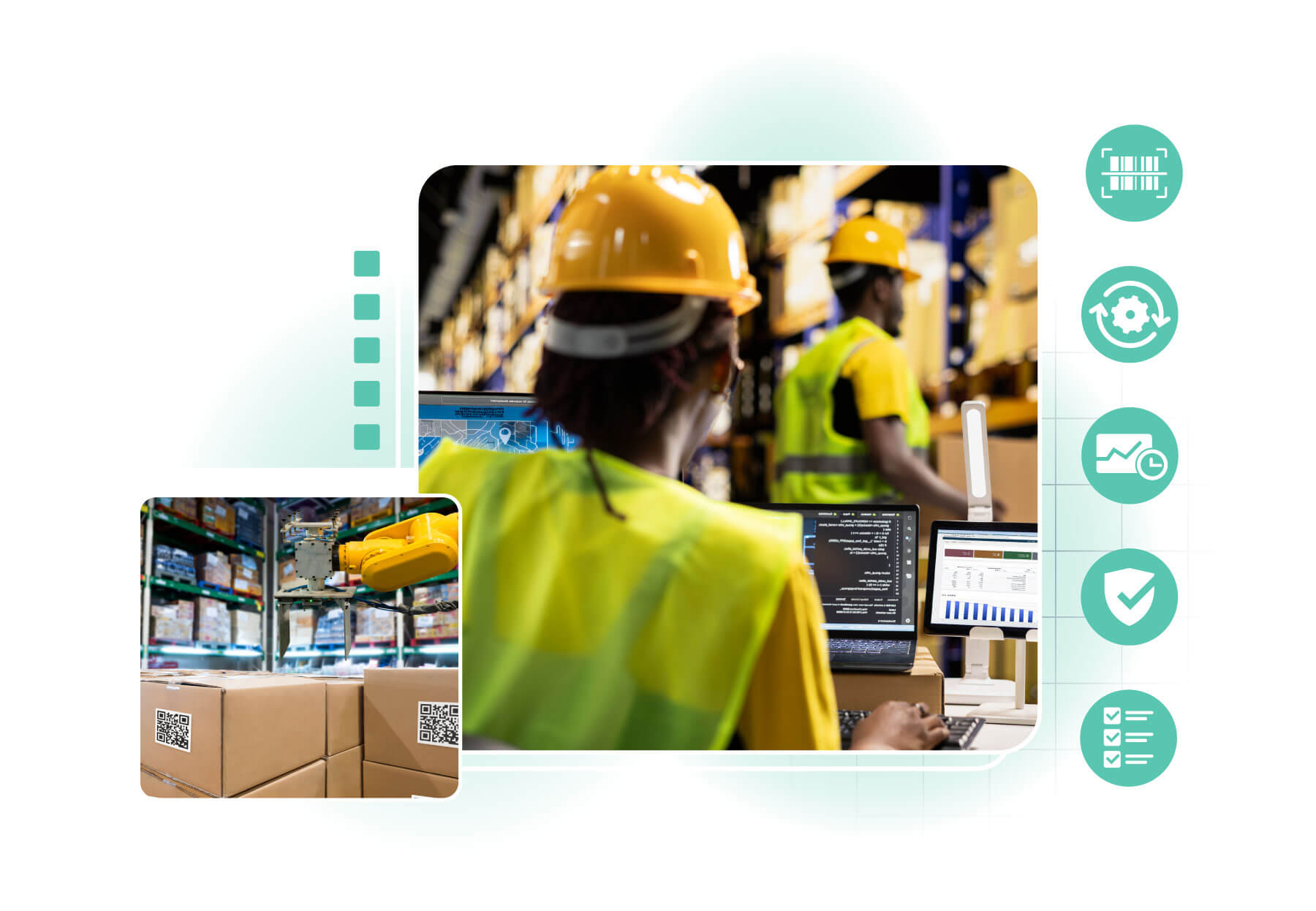
Cold storage facilities adopt automation to address labor shortages and throughput pressure. Robotics and AS/RS systems depend on uniform dimensions, clean surfaces, and predictable handling.
Misalignment creates downtime. Automation tolerances shrink in cold environments, where frost, condensation, and tight temperature range requirements amplify small inconsistencies.
Pharma and Specialized Logistics
The pharmaceutical cold chain faces tighter regulatory requirements and narrower temperature control margins. Product integrity depends on controlled environments, validated handling, and documented movement.
Specialized logistics providers now treat physical platforms as part of compliance strategy. Non-porous pallet materials that do not absorb moisture or shed debris support cleaner handling and reduce packaging risk in regulated environments.
Blockchain for Transparency
Blockchain adoption grows as companies push for transparency across global supply chains. Immutable records support audits, recalls, and food safety documentation.
Blockchain systems rely on accurate inputs. When physical movement lacks consistency, digital transparency weakens. Data integrity starts with stable, scannable infrastructure moving through cold chain infrastructure.
E-Grocery Last-Mile Delivery
E-grocery and fresh produce delivery increase demand for temperature-controlled logistics at smaller shipment sizes. Last-mile operations compress timelines and reduce tolerance for handling errors.
Reusable, durable platforms support faster turnarounds and reduce damage during frequent transfers between cold storage, transportation, and retail endpoints. As handling frequency increases, consistent physical platforms become essential to maintaining flow and product quality.
Outsourcing to 3PLs
Outsourcing to logistics providers expands as complexity rises. 3PLs manage storage and logistics across multi-client cold chains.
Standardized physical assets help maintain consistency across partners. Shared infrastructure reduces friction as shipments move between facilities, carriers, and regions. As networks grow more complex, standardization becomes unavoidable.
Physical Infrastructure as the Hidden Constraint in Cold Chain Performance
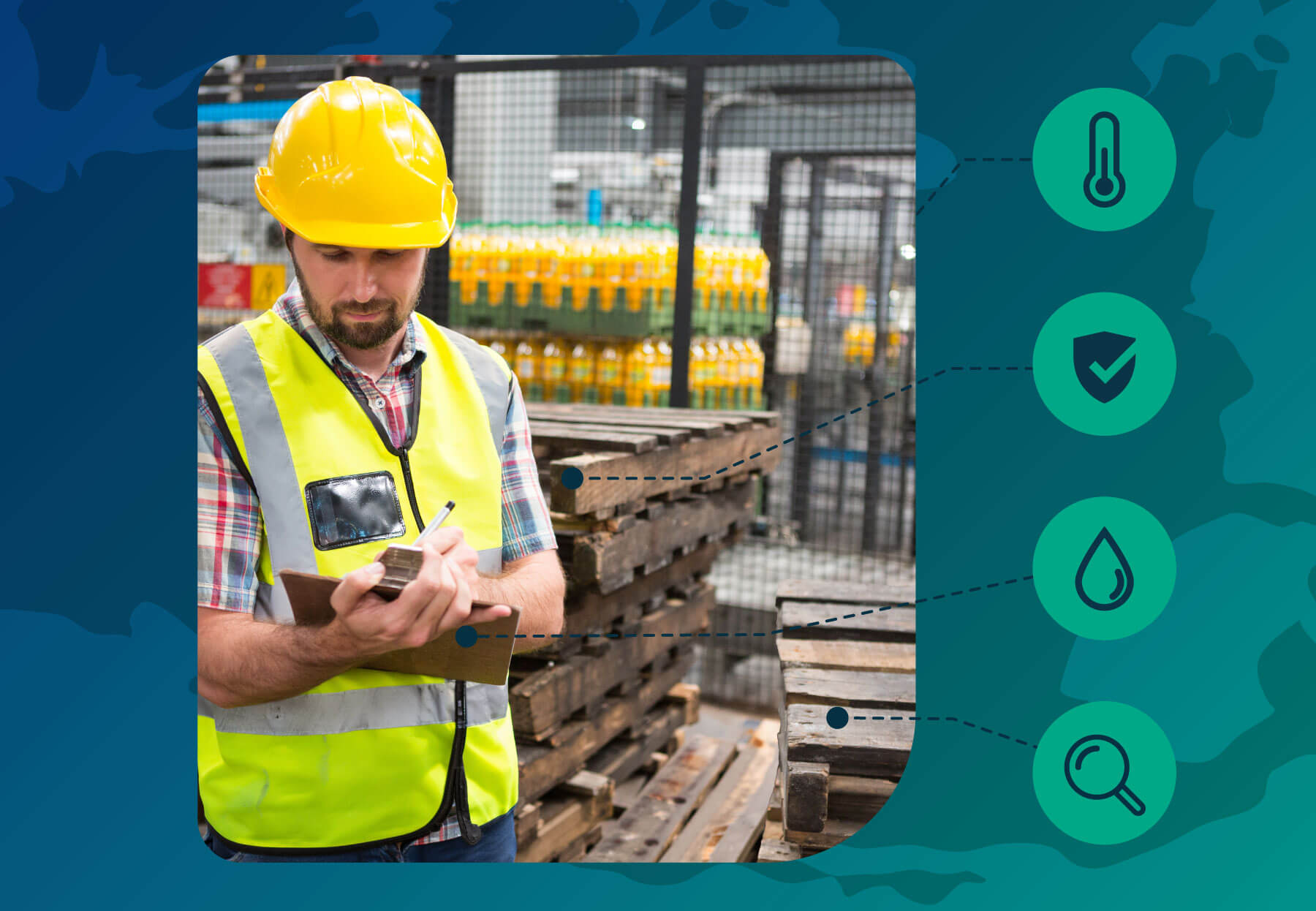
Cold chain performance depends on more than sensors, dashboards, and analytics. Physical infrastructure determines whether data, automation, and temperature control function as intended inside cold storage facilities.
Variability at the pallet level introduces friction that software cannot resolve. Inconsistent platforms slow automation, disrupt scanning, and increase re-handling inside refrigerated environments, raising energy use and spoilage risk.
Modern cold chain systems perform best when physical assets move predictably through warehouses, transportation lanes, and partners. Infrastructure alignment sets the ceiling for visibility, compliance, and supply chain efficiency.
Standardization Across Partners Is Where Cold Chains Hold or Break
Cold chains often break at handoffs. Transfers between facilities, carriers, and storage providers introduce risk when each partner operates with different physical standards.
Standardized platforms reduce friction across these boundaries. Predictable handling improves flow through cold storage, transportation, and automation while strengthening traceability at read points.
Pallet pooling supports this standardization by maintaining consistent quality across locations and users. Shared infrastructure helps cold chain operators maintain performance as shipments move across logistics providers and regions.
How Plastic Pallets Support Cold Chain Logistics
Cold chain logistics refers to coordinated storage and transportation that maintains product quality for perishable goods. Plastic pallets function as quiet enablers within this system.
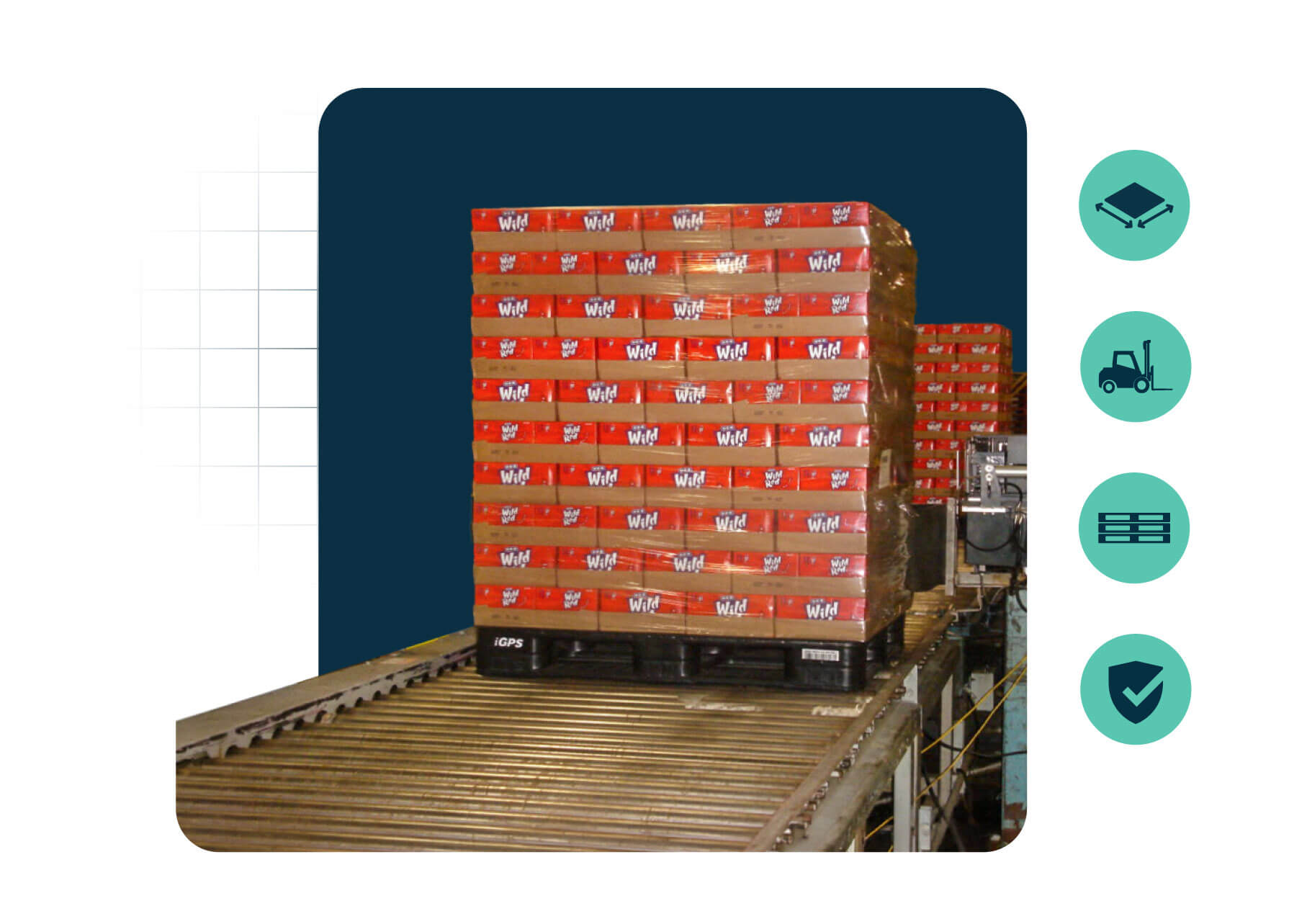
Consistent dimensions support automation and real-time monitoring. Non-porous surfaces resist moisture and bacteria in refrigerated environments. Lightweight construction reduces handling energy and refrigeration demand.
Pallet pooling extends these benefits across the cold chain industry. Providers manage cleaning, inspection, and circulation, reducing empty returns and excess inventory. Embedded RFID tags support real-time visibility at read points.
When physical platforms align with data, temperature management, and automation, cold chains operate with fewer handoffs and less spoilage.
Conclusion
Cold chain logistics continues to evolve as a systems challenge, not a technology checklist. Visibility, compliance, and sustainability depend on how well physical infrastructure supports digital tools across warehouses, transportation, and partners.
Companies that modernize software without addressing foundational assets remain exposed to disruption, audit risk, and rising costs. In 2026, leadership decisions around infrastructure alignment will increasingly determine resilience across cold chain operations.
FAQs
What are the 5 biggest supply chain challenges?
Key pressures include regulatory compliance, energy costs, labor shortages, visibility gaps, and disruption from inconsistent infrastructure. These challenges intensify within cold chain operations due to narrow temperature ranges and food safety expectations.
What is the next big thing in supply chain?
Integrated logistics stands out. Systems that align physical assets, data, automation, and sustainability outperform isolated technology upgrades across the supply chain.
How are regulations changing cold chain energy efficiency standards?
Regulatory frameworks increasingly target energy use, emissions, and documentation. Cold chain operators face tighter requirements around refrigeration efficiency, temperature control, and audit readiness across cold storage facilities.
How can cold chain companies reduce emissions with electric vehicles?
Electric vehicles reduce emissions in temperature-controlled logistics when routes, charging infrastructure, and load efficiency align. Lighter unit loads extend range and reduce refrigeration energy draw during transit.
Physical infrastructure matters here as well. Consistent, lightweight platforms help companies optimize routes and reduce carbon footprint without compromising product integrity or compliance.
Why does pallet consistency matter in cold storage facilities?
Cold storage facilities rely on predictable movement to maintain temperature control and flow. Consistent pallet dimensions support automation, reduce jams, and limit re-handling inside refrigerated zones. Uniform platforms also improve scan reliability at read points, strengthening visibility and compliance for temperature-sensitive products.
How does pallet pooling reduce disruption in cold chain operations?
Pallet pooling removes variability from the system. A managed network supplies standardized units, handles retrieval, cleaning, and inspection, and keeps assets in circulation. Fewer empty returns and consistent quality reduce handoffs that can trigger delays, spoilage, or data gaps across cold chain operations.
What infrastructure investments matter most for future cold chain logistics?
Future-ready cold chains prioritize assets that align with data, automation, and sustainability goals. That includes standardized pallets compatible with cold environments, automation-ready handling equipment, and energy-efficient refrigeration. Investments that reduce friction across storage and transportation deliver compounding gains in efficiency and compliance.
How does pallet pooling support multi-tenant 3PL cold storage networks?
Multi-tenant 3PL environments depend on shared standards to maintain performance across customers. Pallet pooling provides uniform platforms that move predictably between tenants, carriers, and facilities. Standardization simplifies operations, improves traceability at read points, and reduces disruption as shipments flow across partners.
Modern cold chain performance depends on infrastructure that reduces risk and supports consistency across storage, transportation, and automation environments. iGPS acts as an infrastructure partner by providing reliable, durable plastic pallets that support consistent handling and traceability across the supply chain.
By combining durable, RFID-enabled plastic pallets with a managed pooling network, iGPS helps organizations lower operating risk, improve compliance readiness, and control total cost across cold chain operations. To learn how iGPS supports modern cold chain logistics strategies, call 1-800-884-0225, email switch@igps.net, or visit the contact page.