Key Takeaways
- Transportation costs remain elevated even as freight rates soften, driven by fuel, labor, and shipment fragmentation
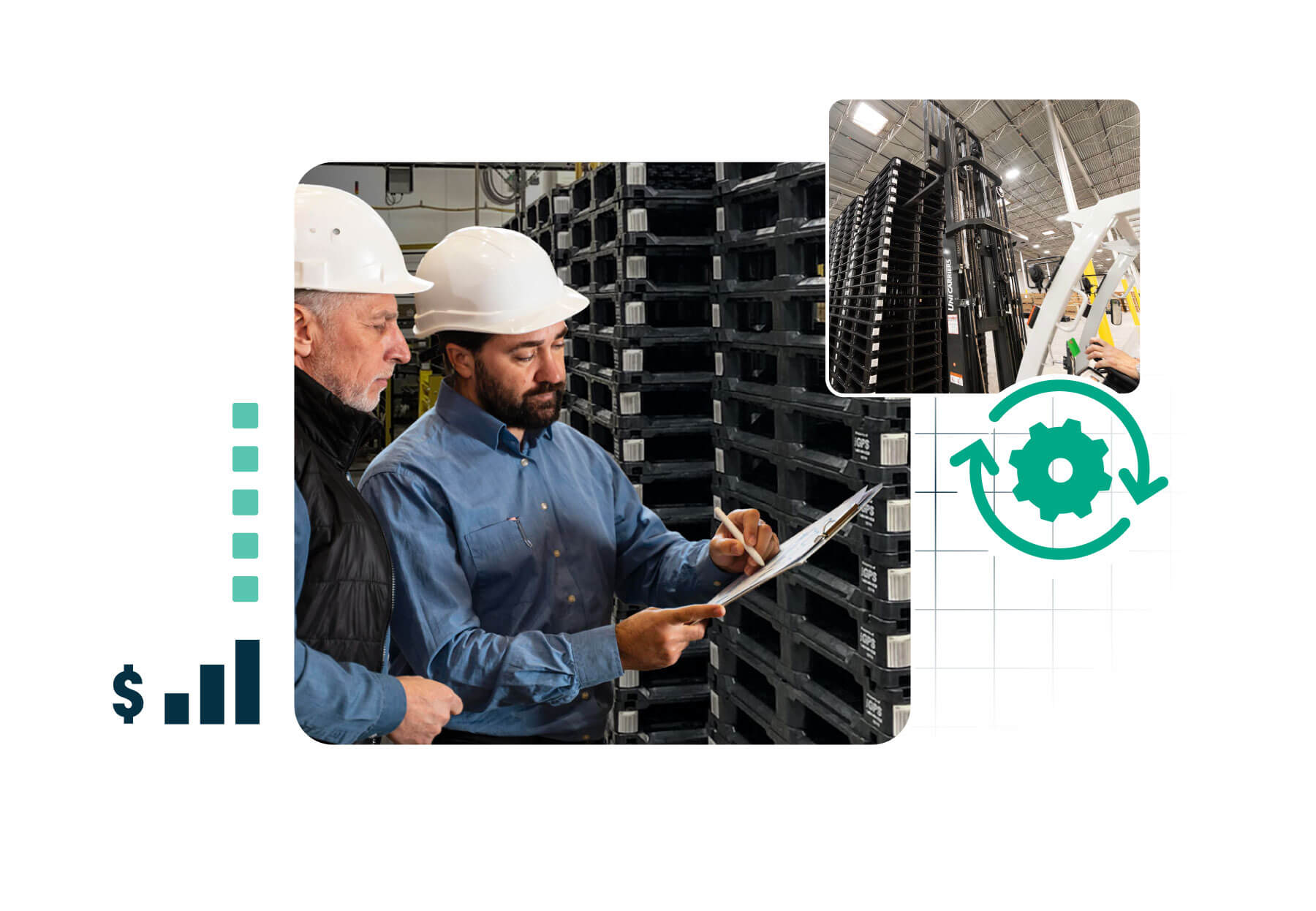
- Pallet weight, consistency, and availability directly impact trailer utilization, shipment frequency, and overall logistics costs
- Plastic pallets improve utilization through consistent dimensions and lower weight
- Pallet pooling removes internal labor tied to retrieval, repair, and inventory balancing, reducing hidden operational costs
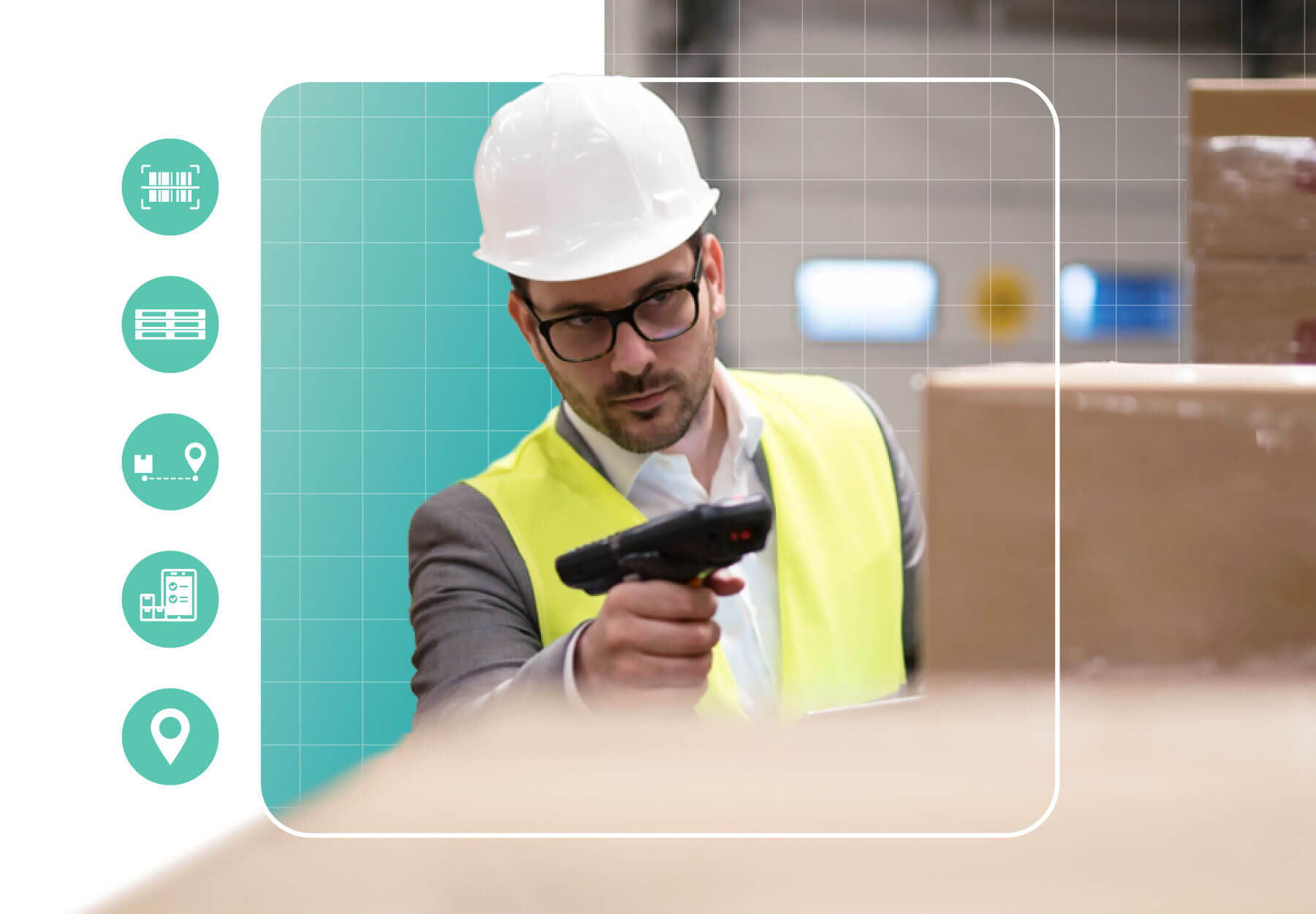
- RFID improves visibility, accountability, and control across the network
Why Transportation Costs Are a Top Supply Chain Drain
Reducing transportation costs remains difficult for many supply chains, even as freight rates soften. Total logistics spend has not dropped at the same pace.
Transportation is one of the few cost lines that can move against you even when freight rates soften. Spot rates declined through 2023 and into 2024, but total logistics spend has not dropped at the same pace.
Fuel is a primary driver. Data from the U.S. Energy Information Administration shows diesel prices remain well above pre-2020 levels, and that volatility still flows through as surcharges. Coverage from FreightWaves and The Wall Street Journal continues to highlight the same pattern — rates have eased, but fuel, labor, and smaller, more frequent shipments are keeping total costs elevated.
Most cost strategies focus on carrier rates. Cost also builds inside the load itself.
Pallet weight, consistency, and availability directly affect trailer utilization, shipment frequency, and rework across the network. Pallet design and pooling influence those outcomes in a way that shows up in measurable cost.
What Is Industrial Plastic Pallet Pooling?
Industrial plastic pallet pooling is a shared network of reusable pallets. Companies rent pallets instead of buying, storing, and repairing them.
The provider manages supply, delivery, retrieval, cleaning, and repair. That shifts pallet management out of day-to-day internal operations and into a managed system.
For internal pallet pooling programs, this model brings consistency across facilities without requiring each site to manage its own inventory or standards.
How Pallet Pooling Works Step by Step
- Pallets are delivered to your facility based on production or shipment needs
- Product is loaded and shipped using standardized platforms
- Retailers or downstream partners receive and unload
- The pool operator retrieves pallets from those locations
- Pallets are inspected, cleaned, and returned to circulation
This removes the need to chase empties, coordinate returns, manage repairs internally, or hold excess inventory.
Plastic Pallet Pooling vs. Wood Pallet Pooling
Wood pallet programs can vary in size, condition, and repair quality. That variation can affect load stability, automation performance, and sanitation.
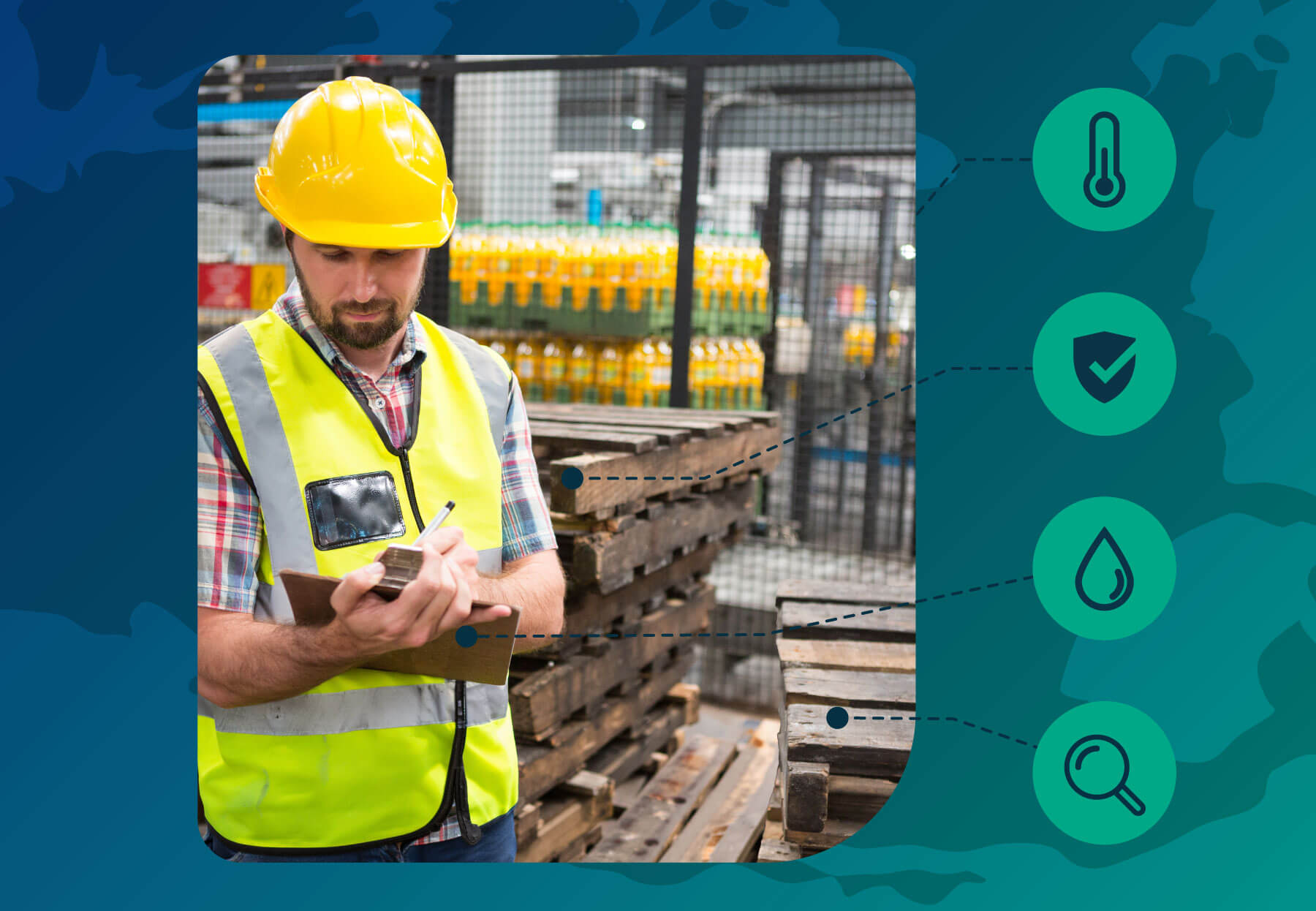
Plastic pallets are built to uniform specifications. They do not absorb moisture, do not shed debris, and hold their shape through normal handling and changing environments.
In a pooling model, that consistency is enforced across the network. Every pallet entering your operation meets the same standard. That predictability helps facilities and distribution centers work from the same platform every time.
How Plastic Pallet Pooling Reduces Transportation Costs
Transportation costs build across daily operating decisions — how loads are built, how often trucks move, and how much handling friction shows up between facilities. Pallet design and pooling affect each of those points.
Lighter Pallets Mean Lower Fuel Costs Per Truckload
Pallet weight adds to every shipment. Heavier loads require more fuel to move.
Plastic pallets are lighter than many wood block pallets. Across a full trailer, that can mean a few hundred pounds less weight.
Lower weight reduces fuel used per trip, and that difference builds over time in total transportation cost.
Consistent Dimensions Maximize Load Optimization
Inconsistent pallet sizes create gaps, overhang, and uneven loads. Space gets left on the trailer, or loads need to be reworked to fit.
Plastic pallets hold true 48×40 dimensions. Loads stack square, product stays aligned, and trailer space is used more efficiently.
More product per load reduces the number of shipments required. Fewer shipments lower transportation cost and reduce handling across the network.
Eliminating the Reverse Supply Chain Expense
Internal pallet programs often carry hidden costs. Teams coordinate returns, manage empty storage, and deal with uneven pallet supply between sites.
Pallet pooling removes that burden. The provider manages pallet repositioning across the network.
This reduces empty miles, frees up warehouse space, and lowers administrative and labor effort tied to pallet handling.
RFID Tracking Reduces Administrative and Loss Costs
Pallet tracking often relies on manual counts, estimates, and reconciliation after the fact. That creates gaps in visibility and increases loss over time.
Embedded RFID tags give each pallet a unique identity that is captured at defined scan points. That creates a record of pallet movement, strengthens accountability, and reduces time spent tracking missing assets.
Less Equipment Downtime = Lower Operational Costs
Equipment slowdowns rarely come from one major failure. They build from small interruptions — jams, misaligned loads, and inconsistent pallet quality.
Plastic pallets provide uniform, unibody construction with no nails or loose boards. Wood pallets can splinter, shed debris, or vary in condition, which increases the risk of jams and handling issues.
In automated environments, even minor inconsistencies can stop a conveyor or require manual intervention. This adds labor, slows outbound flow, and increases cost tied to delays.
More consistent pallets help keep product moving with fewer interruptions.
Calculating Your Potential Savings: What to Measure
To understand total cost impact, focus on operational metrics rather than pallet price.
Track these areas:
- Fuel cost per load and total transport spend
- Trailer utilization and average load efficiency
- Shipments per week relative to volume
- Labor tied to pallet handling and internal transfers
- Storage space used for empty pallets
- Repair and replacement costs
- Loss rates and reconciliation effort
- Downtime tied to pallet issues
Savings come from multiple small improvements that stack across the network.
Calculate how much fuel you can save by switching to iGPS by using our Greenhouse Gas Calculator.
Industries That Benefit Most from Plastic Pallet Pooling
The impact is strongest in operations with high volume and tight cost control.
- Grocery and private label manufacturing
- Food and beverage production
- Cold storage and refrigerated distribution
- Consumer packaged goods
- Retail distribution networks
These environments depend on consistent handling, hygiene, and predictable throughput. Food manufacturers with private label programs also benefit because small cost reductions scale quickly across volume.
How to Switch to a Plastic Pallet Pooling Program
Switching to pallet pooling means moving from an owned pallet model to a managed network where pallets are supplied, retrieved, and maintained by a provider. The goal is to remove the internal effort required to keep pallets moving and replace it with a more consistent system.</p>
The transition typically starts at the lane or facility where transportation costs are already under pressure. That is where the impact is easiest to measure — through trailer utilization, shipment frequency, and the time spent handling pallets between moves.
From there, the change is operational, not disruptive. Pallets are introduced into existing shipping flows, while the provider takes over retrieval, repositioning, and quality control across the network.
As internal pallet work is removed, loads build more consistently, empty miles are reduced, and less time is spent managing pallet availability across locations.
That shift improves cost control by making transportation performance more predictable.
Conclusion
The teams that manage cost well focus on what they can control — how loads are built, how consistently product moves, and how much effort it takes to keep pallets circulating between locations.
When pallets are inconsistent or require constant handling, that inefficiency shows up in every load — reduced utilization, more shipments, and added labor across facilities.
Plastic pallet pooling addresses that at the source. It standardizes the platform, removes internal pallet work, and keeps loads building the same way every time.
As supply chains continue to operate under cost pressure, improving how pallets move through the network becomes a more predictable way to manage transportation cost and maintain consistent performance.
FAQ
How does pallet pooling reduce transportation costs?
Pooling removes empty pallet returns, improves load efficiency, and reduces handling labor. It also lowers fuel consumption through lighter loads and fewer shipments.
How much lighter are plastic pallets compared to wood pallets?
iGPS plastic pallets weigh around 50 pounds. Many wood block pallets are heavier, which increases total shipment weight.
What is the Total Cost of Ownership (TCO) of wood pallets vs. plastic pallet pooling?
Wood pallet ownership includes purchase, repair, storage, retrieval, and loss. Pooling shifts those costs into a managed service and reduces total operational burden.
How many trips can an iGPS plastic pallet complete before it needs to be replaced?
iGPS pallets are designed for 100 or more trips under normal conditions. Wood pallets often complete fewer trips before repair or replacement.
Does pallet pooling work for automated warehouses and ASRS systems?
Yes. Consistent dimensions and smooth surfaces support conveyors, robotics, and ASRS environments with fewer interruptions.
What industries benefit most from industrial plastic pallet pooling?
Grocery, private label manufacturing, food and beverage, cold storage, and retail distribution benefit due to volume, cost pressure, and the need for consistent handling.
Is there a large upfront investment required to switch to plastic pallet pooling?
No. Pooling operates as a rental model, which removes the need for upfront pallet purchases and shifts cost into a predictable operating expense.
How does RFID tracking in plastic pallets help reduce logistics costs
RFID provides pallet ID, scan-based location, and movement history. This improves visibility, reduces loss, and lowers administrative effort tied to pallet tracking.
Companies focused on reducing transportation and supply chain costs are turning to iGPS plastic pallets. Lightweight, consistent, and equipped with embedded RFID, they improve load efficiency, reduce operational friction, and support more predictable performance.
For more information, contact us at 1-800-884-0225, email a specialist at switch@igps.net, or visit our contact page.