Key Takeaways
- Most supply chain costs stem from transportation, labor inefficiency, inventory levels, and equipment variability.
- Standardized pallet quality reduces product damage, improves trailer utilization, and cuts equipment downtime.
- Lighter, durable pallets can lower transportation and fuel costs across high-volume shipping lanes.
- Pallet pooling eliminates hidden ownership costs like repairs, retrieval trips, storage, and disposal.
- Supply chain managers achieve the greatest cost savings when they combine process optimization with consistent, automation-ready material handling systems.
Supply chains today face rising transportation costs, labor shortages, volatile demand, and increased pressure to operate sustainably. Cost management has become a strategic requirement, not only to protect margins, but to maintain agility, reliability, and resilience.
Effective supply chain management reduces waste, strengthens planning, improves customer service, and keeps operations competitive through uncertainty.
What Are Supply Chain Costs?
Supply chain costs include every expense associated with sourcing, producing, storing, and delivering goods. These are typically grouped into:
- Procurement Costs: Materials, supplier contracts, inbound freight, and sourcing activities.
- Production Costs: Labor, equipment, maintenance, and overhead needed to convert raw materials into finished goods.
- Inventory Costs: Warehousing, carrying costs, insurance, shrink, and obsolescence.
- Transportation and Logistics Costs: Outbound freight, fuel, detention, driver wages, last-mile delivery, and accessorial charges.
- Administrative and Compliance Costs: Documentation, regulatory compliance, audits, and quality management.
- Reverse Logistics: Returns, disposal, recycling, and repackaging.
Together, these make up an organization’s total cost to serve. Successful supply chain managers lower costs not by cutting corners, but by optimizing the drivers behind them.
How to Calculate Supply Chain Costs
A clear cost calculation combines direct and indirect expenses, plus hidden or exception-based costs.
A practical model includes:
- Define cost boundaries: sourcing → production → warehousing → transportation → returns.
- Identify categories: labor, fuel, inventory holding, packaging, pallets, equipment depreciation.
- Measure activity-level cost: cost per pallet, per pick, per mile, per shipment.
- Allocate costs: divide expenses across customers, SKUs, or channels for accuracy.
- Include exception costs: detention, damage, mis-shipments, expediting, overtime.
- Apply TCO (Total Cost of Ownership): especially relevant for pallets, packaging, and equipment.
- Use digital systems: WMS, TMS, and ERP data reveal trends and pinpoint waste.
This approach creates visibility into where improvements will have the biggest payoff.
Key Challenges in Managing Supply Chain Costs
Cost control becomes difficult when operations face:
- Highly variable demand and forecast errors
- Fragmented systems that limit cost visibility
- Rising freight and labor costs
- Multi-supplier networks with inconsistent reliability
- Space limitations or inefficient warehouse flow
- Disruptions from weather, geopolitical shifts, and regulatory changes
- Product damage and equipment downtime are linked to poor pallet quality
Recent industry reporting shows transportation expenses continuing to increase. Carriers experienced a 5.8% YOY increase in insurance costs in early 2025, and truck insurance premiums climbed to $10.2 per mile in 2024, intensifying pressure on logistics budgets.
Without the right tools and processes, these challenges cascade into higher operating costs across the network.
What Drives the Supply Chain Costs?
The most common cost drivers include:
- Transportation distance, fuel, and load efficiency
- Inventory carrying cost, including space, insurance, and shrink
- Production cycle times and equipment downtime
- Packaging and pallet quality
- Labor availability, training, and productivity
- Facility layout and material-handling flow
- Supplier reliability and lead-time variability
- Administrative overhead and compliance requirements
- Returns, damage, and rework
- Technology gaps or manual processes
Recognizing these drivers helps supply chain leaders prioritize where to reduce waste and where to invest for long-term efficiency gains.
How to Reduce the Cost of the Supply Chains
Lowering supply chain costs requires attacking the biggest drivers first—transportation, labor inefficiency, variability, and avoidable product damage. The strategies below are ordered by impact and designed to strengthen performance while reducing Total Cost of Business (TCOB).
1. Lower transportation and fuel costs with lighter shipping platforms
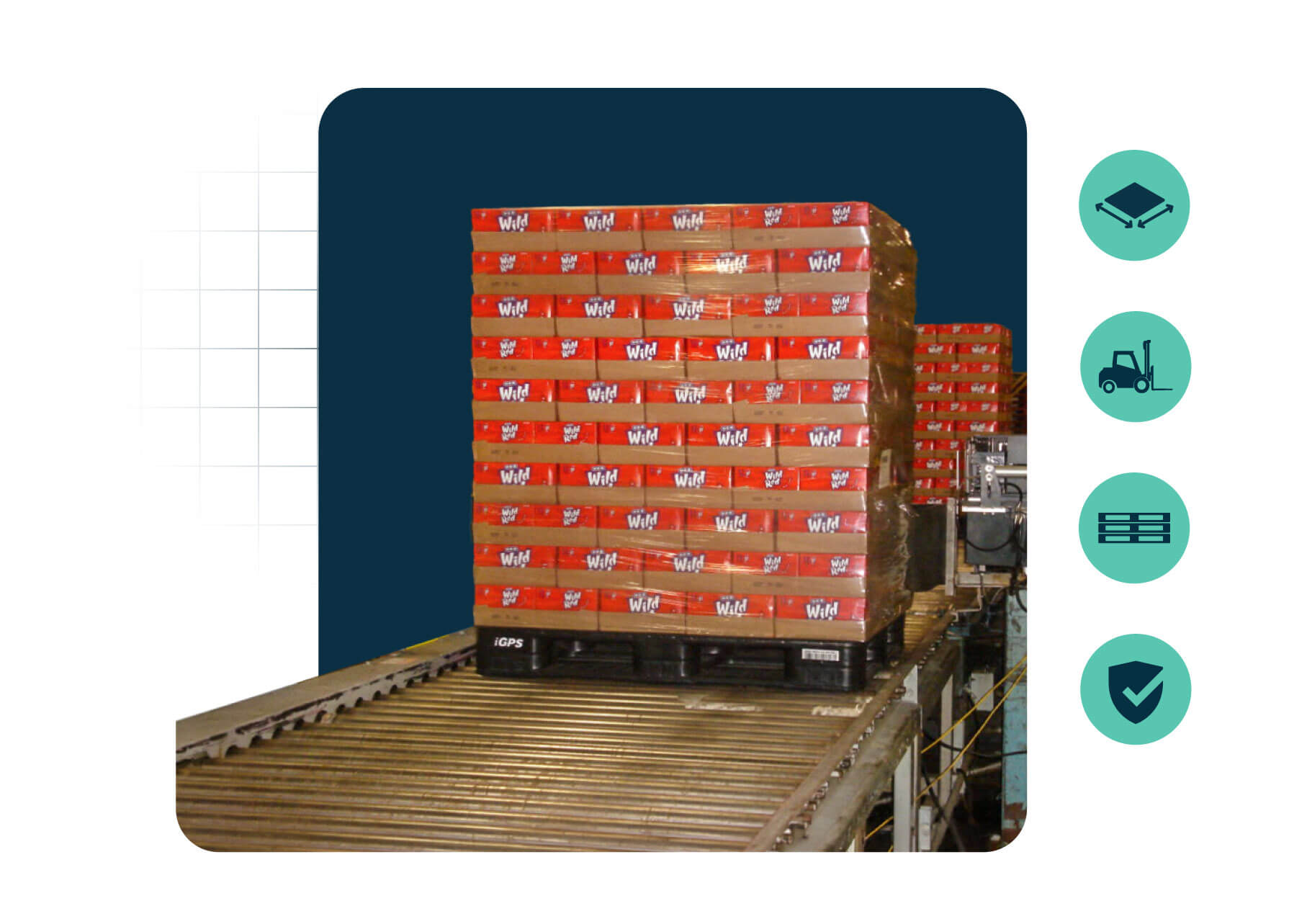
Fleet weight is one of the highest cost drivers in logistics. Switching from heavier wood block pallets to plastic pallets—up to 35% lighter—reduces total trailer weight, cuts fuel consumption, and improves cost per mile across high-volume lanes.
2. Cut deadhead miles and retrieval expenses with pallet pooling
Pooling removes the need to retrieve pallets, haul empties, or store surpluses. Providers manage pallet return cycles and optimize reverse logistics, eliminating wasted miles and reducing transportation overhead.
3. Optimize warehouse flow to reduce congestion and increase throughput
Clear travel paths, structured staging areas, and predictable pallet placement minimize forklift idle time and improve shift productivity. Better flow directly reduces labor cost per unit moved.
4. Increase trailer utilization with standardized pallet footprints
Consistent pallet sizing ensures tighter loads, fewer voids, and better cube optimization. Higher utilization lowers cost per shipment and decreases the number of loads required.
5. Use durable plastic pallets to reduce product damage and equipment downtime
Plastic pallets eliminate nails, splintering, and broken boards, which are common causes of case damage, recalls, and forklift maintenance issues. Fewer damaged loads translate to less rework, shrink, and claim exposure.
6. Improve forecasting accuracy to reduce excess inventory and carrying costs
Better demand planning reduces overstocks, frees up warehouse space, and minimizes capital tied in non-moving product.
7. Streamline supplier networks to reduce variability and inbound complexity
Working with fewer, more reliable partners reduces delivery variability, stabilizes production schedules, and lowers administrative overhead.
8. Automate repetitive tasks such as scanning, pallet movement, and order verification
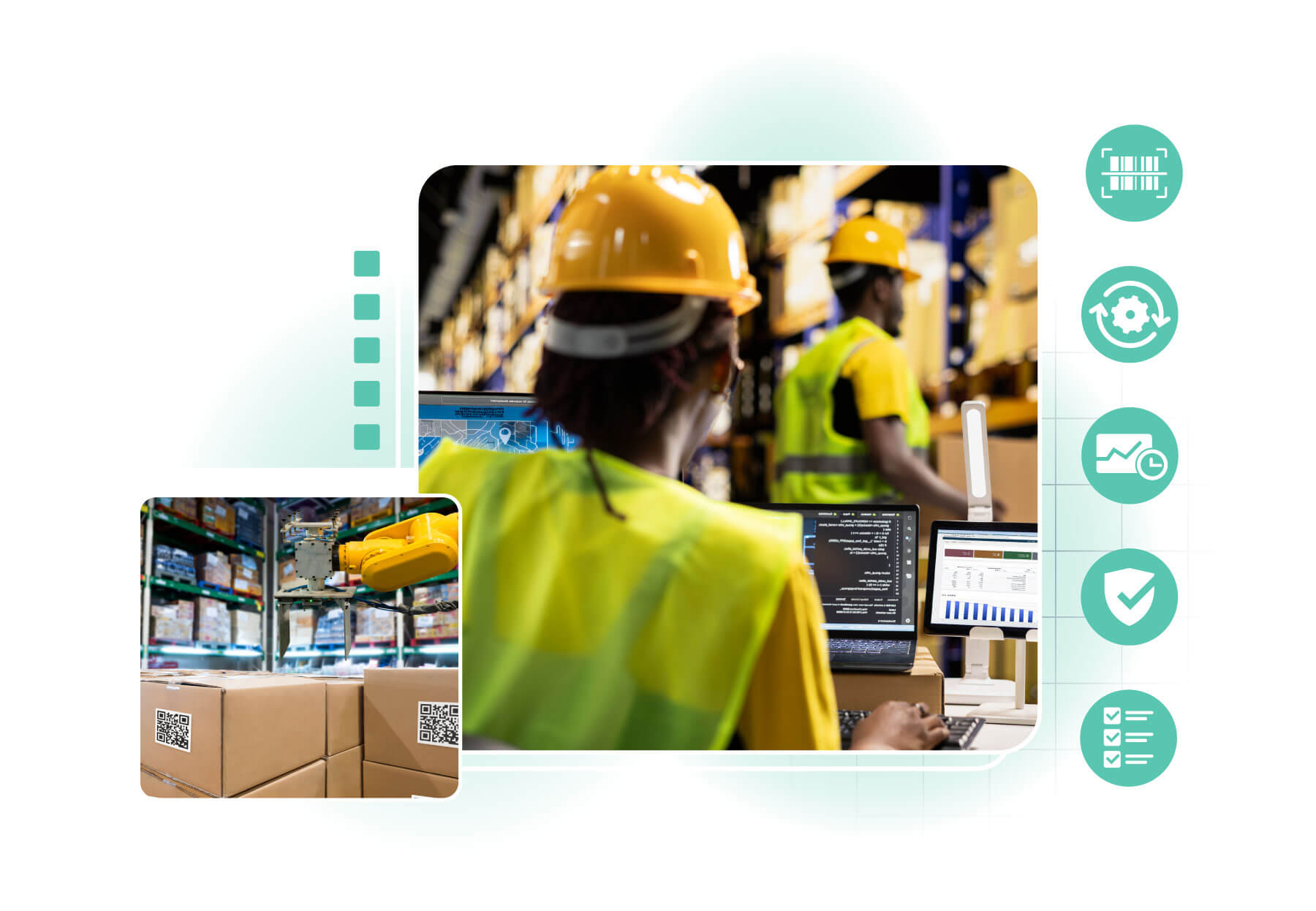
Automation reduces labor fatigue, improves accuracy, and speeds high-volume workflows. Even partial automation (RFID, conveyor scanning, robotic pallet movement) can materially reduce operating costs.
9. Implement slotting optimization to minimize forklift mileage and speed picking
Strategic placement of high-velocity SKUs reduces travel distance and labor hours per pick. Slotting also improves ergonomic access and reduces cycle time.
10. Upgrade WMS/TMS systems for real-time cost visibility
Modern software provides detailed insights into routing, detention, overtime, storage costs, and lane inefficiency—allowing proactive cost corrections before issues compound.
11. Improve stacking and staging discipline
Clear stack-height rules, aligned rows, and consistent staging lanes reduce double-handling, improve safety, and prevent congestion during peak periods.
12. Reduce SKU complexity where possible
Rationalizing SKUs lowers handling requirements, simplifies forecasting, and reduces storage and replenishment costs.
13. Use data analytics to target costly exceptions
Detention, mis-shipments, re-deliveries, overtime, and manual rework can quietly drain budgets. Exception analytics reveal root causes and reduce corrective spend.
14. Pursue sustainability initiatives that lower long-term operating costs
Reusable packaging, energy-efficient equipment, waste reduction programs, and closed-loop pallet systems often reduce both direct costs and compliance risk.
15. Reevaluate supplier and carrier contracts regularly
Rates can drift over time. Structured reviews help companies refine service levels, adjust capacity commitments, and eliminate outdated surcharges.
How Plastic Pallets Can Help Reduce Logistics Cost
Plastic pallets deliver measurable cost benefits across logistics, warehousing, and transportation because they are engineered for consistency, durability, and automation compatibility. Their design helps eliminate several hidden costs that wood pallets often introduce.
Key Cost-Saving Advantages of Plastic Pallets:
- Lower Product Damage Costs
Plastic pallets offer uniform dimensions, smooth surfaces, and no nails or splinters—reducing load shift, puncture damage, and contamination. Less damage means fewer returns, claims, and rework. - Reduced Equipment Wear and Downtime
With no broken boards or pallet debris, forklifts, conveyors, and AS/RS systems experience fewer jams and maintenance interruptions. - Lower Transportation Costs
Plastic pallets typically weigh less than multi-use wood block pallets, improving fuel efficiency and increasing payload in weight-limited shipments. - Cleaner, Safer Handling
Their non-porous surfaces improve hygiene and reduce debris, lowering janitorial and safety-related costs. - Longer Service Life
Plastic pallets can complete 100+ trips before recycling, reducing replacement frequency and lowering cost-per-trip.
Where Pallet Pooling Adds Even Greater Value
Pallet pooling removes nearly all pallet ownership costs:
- No pallet purchases
- No repairs or disposal
- No sorting or on-site storage
- No accumulation of broken or incompatible pallets
- No need to manage pallet retrieval
Pooling providers supply standardized, ready-to-use pallets that improve warehouse flow, reduce transportation spend, and eliminate the hidden ownership costs that inflate TCO.
Conclusion
Effective cost management requires more than cutting line-item expenses; it requires removing operational variability, improving flow, and strengthening every stage of supply chain management. By focusing on the highest-impact cost drivers, supply chain managers can find meaningful ways to reduce waste, improve planning accuracy, and unlock long-term cost savings.
Standardized, lightweight pallets and third-party pooling systems like iGPS Logistics eliminate many hidden costs related to damage, downtime, retrieval, and transportation, helping organizations run leaner and more predictably. Companies that invest in consistent material handling and smarter logistics practices gain a more resilient, cost-efficient supply chain capable of supporting today’s operational demands and tomorrow’s growth.
FAQs
How to implement cost-benefit analysis in supply chain decisions
Implementing cost-benefit analysis in the supply chain starts with comparing the total expected costs of a decision to the measurable operational, financial, and strategic benefits it delivers.
Begin by defining the problem clearly, whether it’s reducing transportation spend, improving warehouse flow, or upgrading packaging or pallets. Next, gather baseline data such as current labor hours, fuel usage, damage rates, and equipment downtime.
Estimate the potential impact of each option, including changes to productivity, transportation efficiency, inventory levels, or safety performance. Assign monetary values where possible (e.g., cost per mile saved, reduction in damage-related rework). Then evaluate long-term value—not just upfront costs—by modeling lifecycle savings, risk reduction, and scalability.
The best supply chain decisions are those where benefits outweigh total cost of ownership (TCO), including ongoing maintenance, labor, and disposal or recovery. Using a structured cost-benefit method helps teams justify investments, prioritize high-value improvements, and build a more resilient and cost-efficient supply chain.
What are the biggest hidden costs in supply chain operations?
Many of the highest supply chain expenses aren’t on invoices—they show up as operational inefficiencies. Hidden costs often include:
- Product damage from weak or inconsistent pallets
- Double-handling due to poor pallet flow or staging
- Detention and demurrage fees caused by slow loading or disorganized docks
- Deadhead miles and retrieval trips for pallet return programs
- Forklift travel time inefficiencies, which can raise labor costs by 15–30% per shift
- Waste disposal fees for broken pallets and debris
- Equipment downtime from jams caused by inconsistent pallet dimensions
These hidden costs accumulate quickly, reducing margins even in well-run operations. Standardized pallets and optimized warehouse flow help remove many of these inefficiencies.
How can companies reduce product damage costs in the supply chain?
Product damage often occurs during handling, storage, and transit—and the pallet itself is a major contributing factor. To reduce damage-related costs, companies can:
- Use consistent, high-quality pallets that won’t break, splinter, or deform under load.
- Improve stacking discipline to prevent leaning or crushing.
- Adopt pallets with better top-deck coverage to reduce point pressure on packaged goods.
- Integrate automation-compatible pallets to reduce drops or jams during AS/RS or conveyor handling.
- Use pallet pooling to ensure pallets arrive in clean, safe, uniform condition every cycle.
Reducing damage protects product integrity, prevents rework, and lowers shrink—significantly improving overall supply chain cost performance.
How do transportation and fuel costs impact overall supply chain spending?
Transportation is often the single largest supply chain cost, and fuel volatility makes it even more significant. Costs rise due to:
- Heavier pallets, which reduce trailer capacity and increase fuel burn
- Underutilized cube or weight, especially when inconsistent pallet dimensions create overhang
- Extra trips required when loads “weigh out” too early
- Inefficient routing, often tied to pallet retrieval or excessive empty pallet returns
Switching from multi-use wood block pallets to lighter plastic pallets can save up to 20–27 pounds per pallet, reducing load weight and fuel consumption over thousands of trips. Better pallet consistency also improves trailer utilization, lowering cost per shipment.
How does pallet pooling lower supply chain costs compared to owning pallets?
Owning pallets seems cost-effective until the hidden ownership expenses accumulate. Pallet pooling reduces cost by eliminating:
- Pallet purchase and capital expense
- Repair and maintenance costs for damaged pallets
- Sorting, cleaning, and disposal work
- Storage space for empties, a major hidden cost in warehouses
- Retrieval trips and deadhead miles, since the pooling provider handles recovery
- Inconsistent quality, which leads to jams, damage, and slow loading
A pooling provider supplies ready-for-use, standardized pallets at each shipment point, giving companies predictable costs and freeing teams from pallet management tasks that drain labor and budget resources.
How do plastic pallets reduce Total Cost of Ownership (TCO) in logistics?
Plastic pallets lower TCO by improving durability, safety, and handling efficiency across the supply chain. Key cost-saving factors include:
- Longer lifespan, often 100+ trips before recycling, compared to 5–30 for wood
- Lower product damage, thanks to consistent top-deck coverage and no splinters or nails
- Reduced equipment wear, because plastic pallets don’t break or shed debris
- Improved fuel efficiency, due to lighter weight compared to wood block pallets
- Better automation performance, reducing downtime and maintenance costs
- Full recyclability, which avoids landfill fees and supports sustainability goals
Because plastic pallets deliver predictable performance, they help stabilize operations and reduce the unplanned expenses that make wood pallets more costly over their lifecycle.
Cost control in the supply chain starts with smarter foundations. iGPS plastic pallets help reduce transportation weight, prevent product damage, and eliminate the hidden costs of pallet ownership through a reliable pooling network. To learn how iGPS can help lower logistics costs and strengthen supply chain performance, call 1-866-556-8015, email switch@igps.net, or visit our contact page.