Key Takeaways
- Waste and risk typically began as small issues that multiply, not dramatic failures
- AI-driven inspection and cleaning combined with smart pallet technology are two ways the industry is reducing waste and minimizing risk
- Machine vision systems, such as the pallet inspection and washing system developed by iGPS and its technology partners, can help flag small defects and contamination that human eyes might miss
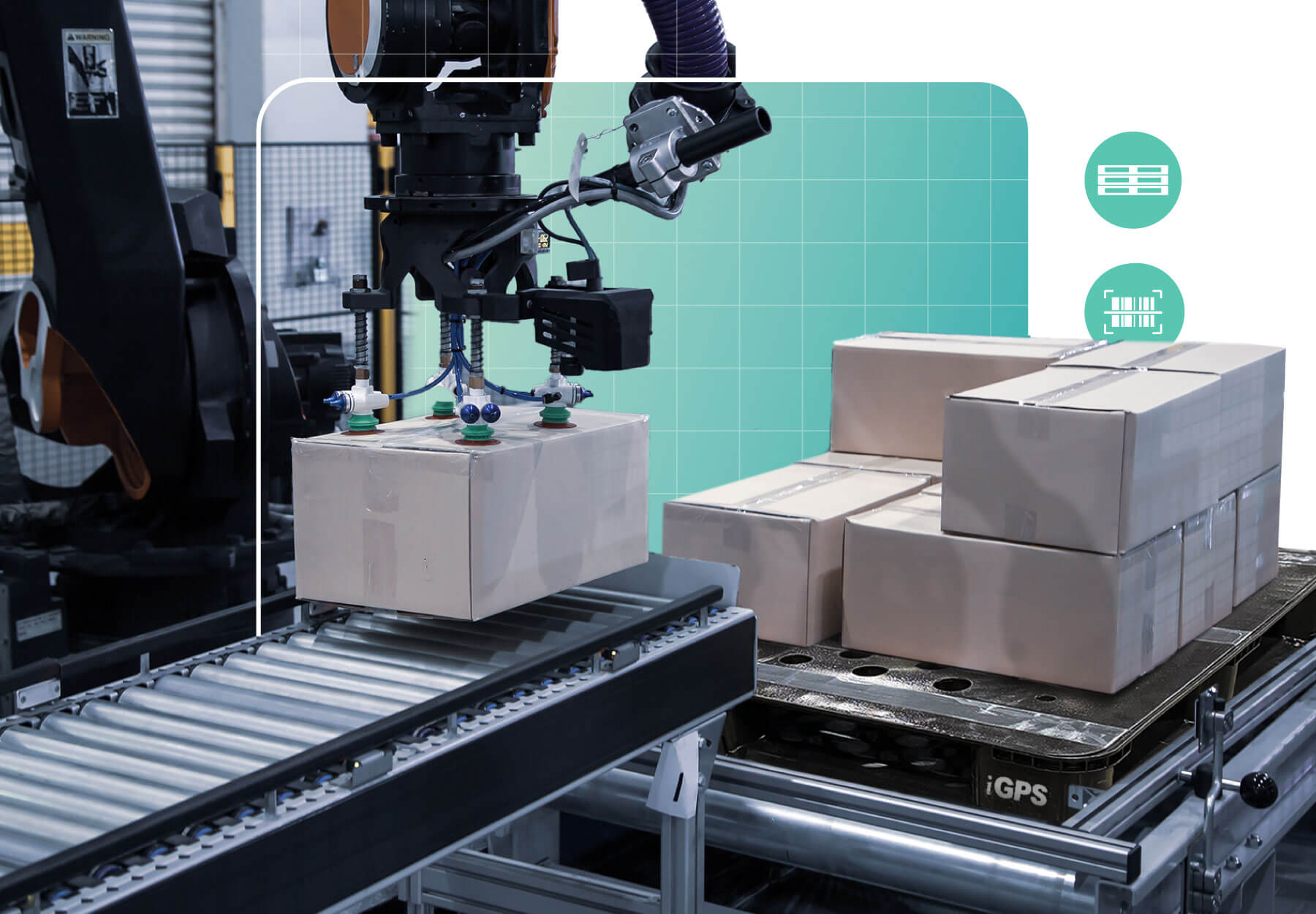
- RFID-enabled smart pallets integrate with automated warehouses and fulfillment center to improve speed and efficiency while reducing human handling and the risk of injury
- Together, these and other optimizations contribute to less risk and waste and a more stable, resilient supply chain
In a resilient, optimized supply chain, waste and risk rarely begin with dramatic, visible failures. They manifest as small issues and oversights: an imperfection in a shipping asset, a contaminant that goes unnoticed. Over time, small problems and efficiencies can compound into inefficiencies, higher costs, and other liabilities.
In the era of AI-driven pallet inspection and RFID-enabled automation, this equation is quietly changing as technology helps supply chain leaders keep a closer eye on issues before they multiply. These innovations help reduce risk and waste in two distinct and powerful ways:
- AI-driven, machine vision-guided inspection and washing systems prevent damaged or contaminated pallets from remaining in circulation before problems are addressed.
- RFID-enabled smart pallets integrated seamlessly with automated storage and retrieval systems, reducing handling errors, improving speed and productivity, and decreasing the risk of workplace injuries.
Together, these technologies elevate the humble shipping pallet from a passive supply chain tool to a vital, high-performing smart asset.
Machine Vision-Guided Inspection: Eliminating Invisible Risk
Throughout the supply chain, AI-driven electronic “eyes” are keeping careful watch on logistics operations and processes and catching nearly invisible problems that human eyes can easily miss. For example, iGPS Logistics and its technology partners have developed and deployed a custom, automated pallet inspection and washing system to perform tasks in minutes that could take hours for human workers — while being much more thorough than a quick scan or spot check.
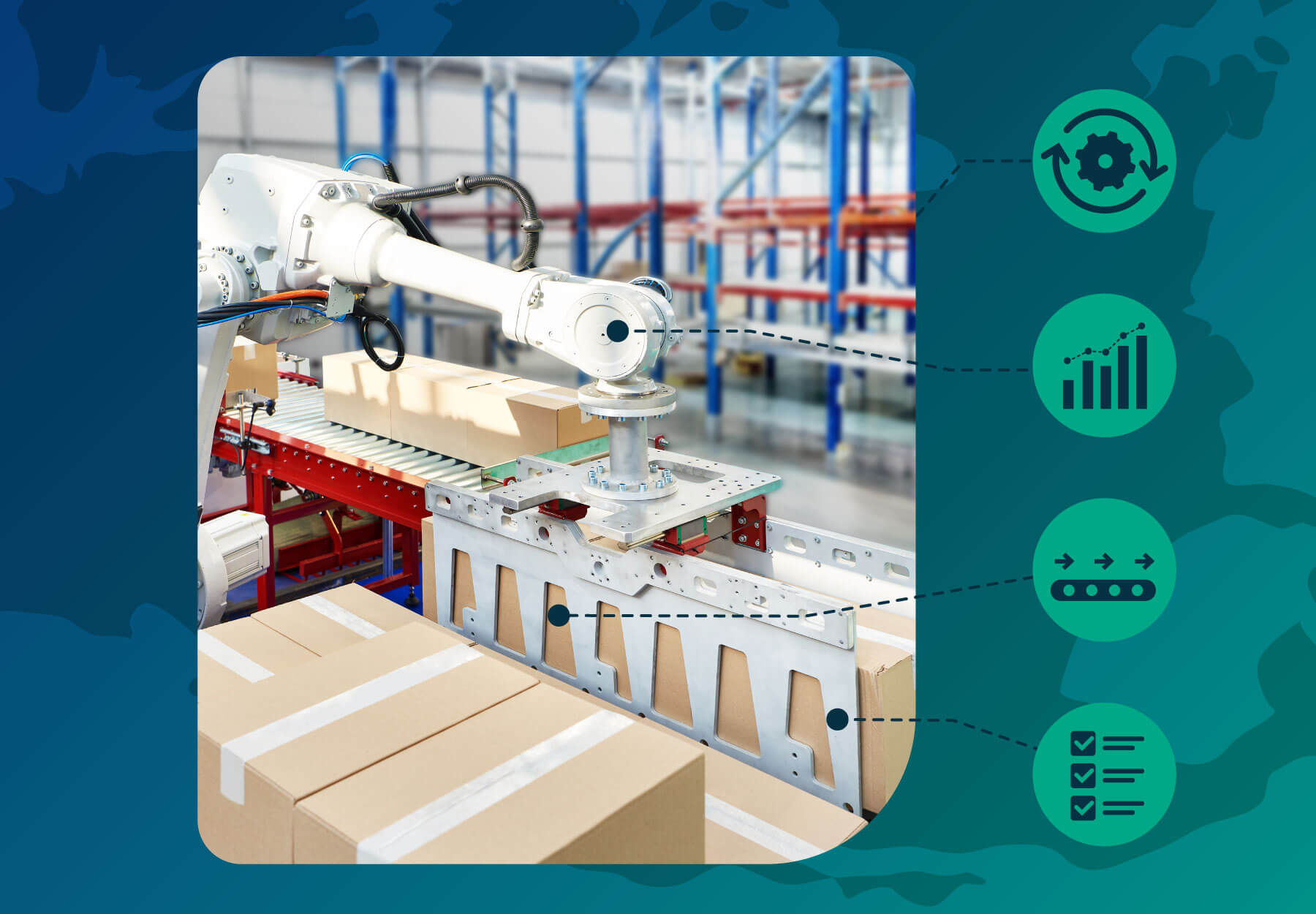
Using a conveyor-driven flow and AI-powered machine vision, the award-winning system rapidly scans pallets as they move through nationwide depots, evaluating everything from structural integrity to surface condition before the pallets reenter circulation. This process can identify (in rare instances) structural defects that might compromise load stability, or more commonly, surface contamination picked up by a pallet’s normal journey through the rigors of the supply chain.
Pallets needing cleaning are then automatically routed through a thorough washing system that is designed and calibrated specifically for the pallet. This integration closes an important gap: detection without remediation identifies risk, but this system quickly mitigates or removes it. In highly regulated industries where a single contamination event can swiftly become problematic, this is more than a “nice to have” benefit — it is a critical risk management strategy that also adds up to hours and days of time, effort, and money saved.
Smart Pallets: Safer and More Efficient
As AI-guided inspection and washing improves pallet condition, smart pallet technology improves pallet movement and performance. Many modern pallets, including those made by iGPS, incorporate embedded RFID tags that give each pallet a unique identity. Firstly, this provides tremendous value for tracking and traceability and also enables truckloads of pallets to be counted and inventoried in seconds.
But an additional advantage is that in automated facilities, RFID codes can be quickly interpreted by automated guided vehicles (AGVs) and other components of Automated Storage and Retrieval Systems (ASRS). Now the pallet is carrying more than goods and materials; it is carrying data about what it holds and where it belongs within the system.
This precision produces measurable positive impact. It reduces routing errors and expedites processes. It improves visibility, which reduces inventory shrink and the need for ad-hoc cycle counts. And it also reduces human handling. In environments where repetitive lifting or dropping a pallet can contribute to injury, automation-friendly smart pallets contribute to safer operations overall.
All of the above adds up to less waste, reduced risk, and a more stable, resilient supply chain.
Consistency is the Enemy of Waste
When supply chains run well, with clean, properly inspected assets and enhanced automated efficiency, stress is reduced and errors decline. AI-driven inspection and cleaning systems prevent problem assets from entering the workstream. Smart pallets reduce mistakes and injuries within the workstream. A facility in which supply chain managers trust the structural integrity of pallets and know where each pallet belongs is not merely faster — it is also more consistent, resilient, and effective.
There was a time, long ago, when pallets were interchangeable commodities. In automated, AI-driven environments, they are an essential interface between systems and goods. When this interface is working as it should throughout the supply chain, everybody wins.
Frequently Asked Questions
How does AI help in identifying and mitigating supply chain risks?
AI identifies supply chain risks by analyzing large volumes of operational data in real time, detecting anomalies, predicting disruptions, and flagging vulnerabilities before they escalate. Machine learning models can spot patterns humans miss, enabling earlier intervention, better contingency planning, and faster response to quality, transportation, or supplier-related threats.
What are the advantages of AI in logistics?
AI improves logistics by increasing accuracy, speed, and efficiency across forecasting, routing, inventory management, and quality control. It reduces manual errors, optimizes resource allocation, enhances visibility, and supports automation. The result is lower operational costs, higher throughput, improved safety, and more resilient supply chain performance.
How can AI help with risk management?
AI strengthens risk management by continuously monitoring systems for irregularities, assessing probability and impact scenarios, and recommending proactive mitigation strategies. It enables data-driven decision-making, reduces reliance on reactive responses, and improves consistency in compliance, safety, and operational standards across complex, distributed environments.
Operational consistency starts with the platforms moving through your facility. iGPS plastic pallet pooling combines AI-guided inspection, integrated washing, and standardized, lightweight pallets with embedded RFID to reduce waste, strengthen traceability, and support automation performance.
To learn how iGPS can support your risk reduction and automation strategy, call 1-800-884-0225, email switch@igps.net, or visit the iGPS contact page to connect with a pallet pooling specialist.