Key Takeaways
- Pallet cost goes beyond price—it’s the total cost of handling, recovery, loss, and performance.
- Hidden costs are distributed across operations, making them hard to track but significant in total.
- Ownership creates fixed costs and internal burden that increase with network complexity.
- Pooling shifts pallet management to a variable, outsourced model with more predictable cost.
- Standardized plastic pallets improve transportation efficiency, reduce damage, and support automation.
Hidden pallet costs can add $1–$4+ per load across the supply chain—but most operations don’t track them.
Transportation costs remain one of the most persistent pressures in the supply chain. Diesel prices, tracked by the U.S. Energy Information Administration, continue to fluctuate and directly impact freight cost across North American networks.
Across most supply chains, the real cost of pallet management shows up in labor, delays, product damage, and lost inventory. These cost drivers impact operational efficiency and total cost, but are rarely captured in a single, visible metric.
In pallet management, hidden costs refer to the operational impacts that fall outside the purchase or rental price of a pallet, costs tied to handling, recovery, variability, and performance across the network.
That gap is where operational inefficiency accumulates—across labor, transportation, and throughput.
In many operations, these hidden costs add up to measurable impact per pallet load, often ranging from $1.01 to $4.57 depending on network complexity and performance factors.
For a deeper breakdown of where these costs occur and how plastic pallet pooling can reduce total supply chain cost, see our guide to lowering supply chain costs.
What Is Total Cost of Business (TCOB) in Pallet Management?
Total Cost of Business (TCOB) is the full operational cost of using pallets across your supply chain.
It goes beyond the cost of pallet procurement and includes how pallets perform inside your warehouse, across transportation, and through recovery.
TCOB includes:
- Pallet procurement or rental fees
- Handling labor and pallet usage inside the warehouse
- Pallet storage and working inventory
- Transportation and pallet recovery
- Repair, replacement, and damaged pallets
- Administrative costs tied to tracking and reconciliation
- Product damage and disruption tied to pallet quality
A simple way to frame it:
How to Think About Total Cost
Total pallet cost = purchase price or rental fees + all costs associated with managing pallets across the supply chain
Most operations track the first part. The second part is where small inefficiencies compound—especially as volume increases and networks become more complex.
Where Hidden Pallet Costs Show Up in Operations
Every supply chain expects certain pallet costs.
You expect to pay for pallets. You expect to replace some. You expect some level of handling.
What’s often overlooked is how pallet management can lead to additional costs that sit outside standard reporting.
These are the cost drivers that impact operational efficiency and total cost, but don’t show up clearly on a P&L.
Pallet Damage and Replacement
Wood pallets and used pallets degrade over time. Boards break, fasteners loosen, and pallet quality becomes inconsistent.
- Damaged pallets require sorting and removal
- Broken pallets increase replacement costs
- Pallet repair adds labor and slows throughput
- Lower pallet quality can reduce product stability
The direct cost is replacement. In practice, the larger impact comes from instability, rework, and disruption across shipments—not just the pallet itself.
Labor Time Lost to Damaged or Missing Pallets
Pallet issues show up as labor inefficiency before they show up as cost.
- Workers spend time sorting damaged pallets
- Teams search for available pallets during peak demand
- Handling equipment slows when pallet specifications are inconsistent
- Extra touches increase total labor time per shipment
This lost time is rarely tracked directly, but it contributes to higher handling labor and reduced throughput across the warehouse.
In high-throughput environments, these inefficiencies rarely show up as a single issue—they appear as slower lines, longer shifts, and missed throughput targets.
Working Capital Tied Up in Pallet Inventory
Owning pallets requires maintaining an inventory of pallets across your network.
- Upfront costs for pallet procurement
- Excess pallets stored to protect against shortages
- Capital tied up in pallets instead of core operations
- Idle pallets during slow periods
In many networks, pallet inventories are oversized to compensate for loss, delays, and variability—tying up working capital that does not directly generate value. That inventory exists to protect against uncertainty, not to improve performance.
Operational Delays and Disrupted Supply Chains
Pallet issues can create delays that move downstream.
- Missing pallets delay outbound shipments
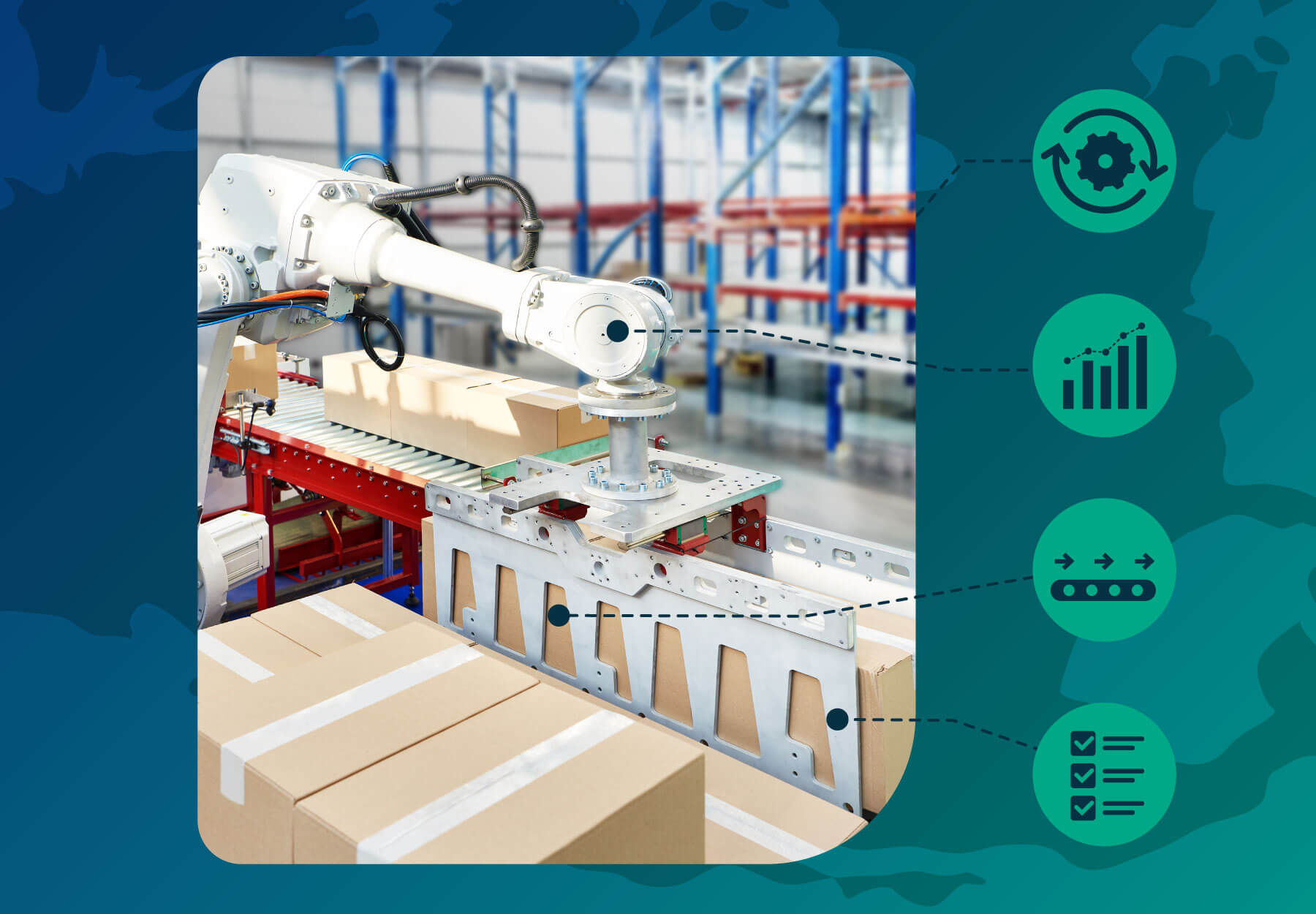
- Inconsistent pallet dimensions disrupt automation and storage systems
- Damaged pallets increase rejected loads
- Disruption at one node impacts the entire supply chain
Even small disruptions at the pallet level can create downstream cost in transportation, labor, and service levels. In high-volume environments, these disruptions rarely stay isolated—they cascade across the network.
Reasons Why These Costs Are Invisible
Hidden pallet costs are not invisible because they are small. They are invisible because they are distributed.
They sit across different parts of the operation:
- Labor shows up in warehouse cost centers
- Transportation inefficiency shows up in freight spend
- Product damage shows up in quality or customer claims
- Administrative costs sit in finance or operations
No single line item captures the full picture. That fragmentation is what makes these costs difficult to identify—and easy to underestimate.
Pallet management spans procurement, warehouse operations, transportation, and supplier networks. Without a system in place to connect those costs, the total cost of pallet usage is underestimated.
That’s why pallet costs often appear lower than they actually are.
What Costs Pallet Pooling Saves (vs. Ownership)
Pallet pooling changes both how costs are structured and where operational responsibility sits.
Instead of owning pallets and managing them internally, pooling involves using shared pallets that are recovered, repaired, and redistributed by a third-party provider.
This shifts both the cost structure and the operational burden. Instead of managing pallets as an internal asset, operations move to a system where pallet flow is externally managed and standardized.
Compared to ownership, pallet pooling reduces or eliminates:
- Internal pallet procurement and excess inventory
- Labor tied to pallet sorting, repair, and disposal
- Pallet recovery and return program coordination
- Replacement costs from pallet loss and shrinkage
- Administrative costs tied to tracking and reconciliation
Transportation and Load Efficiency Impact
Lighter pallets directly impact transportation costs.
iGPS plastic pallets weigh approximately 50 pounds and can be up to 35% lighter than comparable wood block pallets. This can reduce weight by roughly 20 pounds per pallet and create savings of up to 2,000 pounds per truckload.
This affects cost in two ways:
- Trucks that cube out can increase efficiency through better load optimization
- Trucks that weigh out can carry more product per shipment
These factors can contribute to transportation savings of up to $2.76 per pallet load. The impact is not just lower fuel cost—it’s more consistent load planning and better use of available capacity.
Equipment and Automation Performance
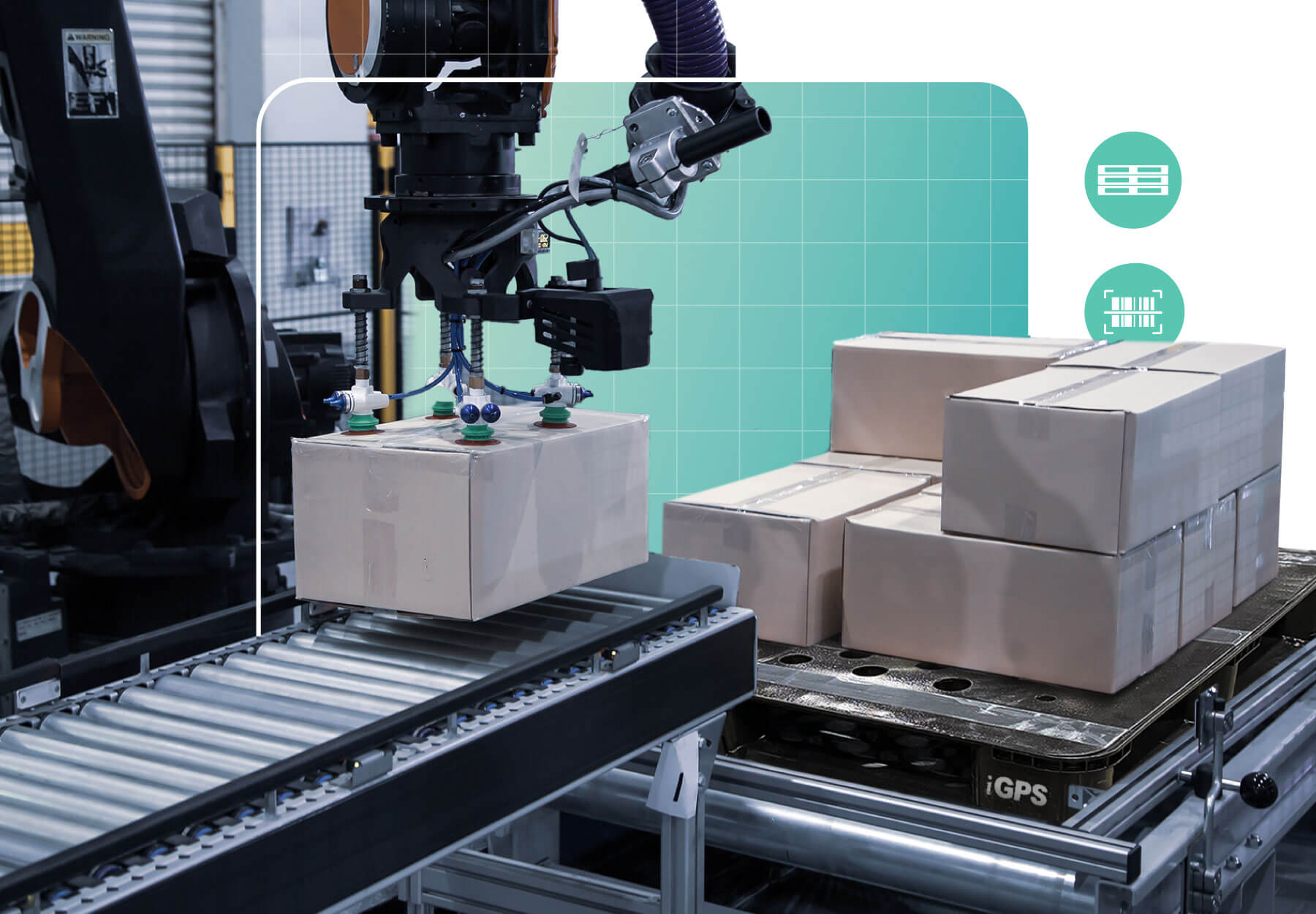
Consistent pallet specifications support automation and reduce downtime.
- Uniform dimensions improve system flow
- Smooth construction reduces equipment interference
- Reliable performance supports throughput
Reduced equipment disruption and downtime can translate into savings of $0.41–$0.59 per pallet load in automation-heavy environments.
Warehouse Maintenance and Safety
Wood pallets introduce debris, nails, and splinters into warehouse environments.
- Increased cleaning requirements
- Higher risk of worker injury
- More wear on handling equipment
Reducing debris and damage can lower maintenance-related costs by $0.44–$0.52 per pallet load.
Total Impact: Hidden Cost Comparison (Ownership vs. Pooling)
When viewed across the full lifecycle, these differences shift pallet cost from a fragmented set of operational burdens into a more controlled and predictable model.
Where Hidden Costs Become Measurable
| Cost Category | Pallet Ownership (Hidden Cost Impact) | Pallet Pooling (iGPS) |
|---|---|---|
| Transportation Efficiency | Heavier wood pallets reduce payload and increase fuel cost | Up to $2.76 savings per pallet load through lighter weight and improved load optimization |
| Product Damage | Inconsistent pallet quality increases risk of damage and rejected loads | $0.15–$0.70 savings per pallet load from improved load stability and protection |
| Equipment Downtime | Variability in pallet condition disrupts automation and handling equipment | $0.41–$0.59 savings per pallet load from reduced equipment damage and downtime |
| Warehouse Maintenance | Wood debris, nails, and pallet breakdown increase cleaning and safety costs | $0.44–$0.52 savings per pallet load from reduced debris and maintenance needs |
| Pallet Loss & Recovery | Ongoing cost tied to shrinkage, backhaul, and retrieval coordination | Managed within pooling system |
| Labor & Handling | Sorting, staging, and managing pallets increases labor time per shipment | Reduced handling and fewer pallet touches |
| Inventory & Working Capital | Upfront investment and excess inventory tied to variability | No upfront pallet purchase; costs tied to usage |
Estimated Total Cost Impact
| Model | Estimated Cost per Pallet Load |
|---|---|
| Pallet Ownership | ~$3.00+ per pallet load (varies by network and inefficiencies) |
| Plastic Pallet Pooling (iGPS) | ~$2.20–$2.60 per pallet load |
| Estimated Savings | $1.01–$4.57 per pallet load |
The difference is not driven by the purchase price of a pallet.
It comes from how pallets perform across transportation, handling, recovery, and consistency.
- Ownership distributes these costs across multiple operational areas.
- Pooling consolidates them into a more predictable, usage-based model.
This is where hidden costs become measurable—not as a single line item, but as accumulated impact across the supply chain.
Conclusion
Most pallet decisions are made based on upfront cost. The actual cost is operational and measurable when you track pallet performance across the network.
When pallet performance affects transportation, labor, automation, and product integrity, the impact is measurable, even if it doesn’t appear as a single line item.
The gap between expected cost and actual cost is where most pallet inefficiency exists. Closing that gap requires measuring pallets like any other operational asset, based on performance across the supply chain, not upfront cost.
FAQ
What counts as a “hidden” pallet cost?
Hidden pallet costs are costs associated with pallet management that are not directly tracked as pallet spend. This includes labor inefficiency, product damage, delays, pallet loss, and administrative overhead.
Why don’t these costs show up on the P&L?
These costs are distributed across different departments, including warehouse labor, transportation, and operations. They are rarely consolidated into a single view of total pallet cost.
What’s the difference between pallet pooling and ownership in terms of hidden costs?
Ownership requires internal management of pallets, which creates hidden costs in recovery, repair, storage, and labor. Pooling shifts those responsibilities to a provider, reducing internal cost drivers.
How does pallet damage affect supply chain operations beyond the direct cost?
Damaged pallets can cause product damage, rejected shipments, and operational delays. They also increase labor time and reduce efficiency in handling and automation systems.
Can better tracking reduce hidden pallet costs?
Tracking can improve visibility, but it does not eliminate the underlying operational costs of managing pallets. It helps identify issues but does not remove labor, recovery, or replacement requirements.
Is pallet pooling worth it for smaller companies?
It depends on shipment volume and network complexity. Smaller operations with limited pallet movement may benefit less, but companies experiencing growth or variability often see cost savings from pooling.
What’s the typical ROI of switching from owned to pooled pallets?
ROI depends on factors such as pallet loss, labor costs, transportation distances, and operational complexity. In many cases, savings come from reduced labor, lower transportation costs, and improved efficiency.
How does pallet durability affect total cost of ownership?
More durable pallets reduce replacement frequency and product damage. Consistent pallet quality also supports better operational performance, which lowers overall costs over time.
Companies focused on reducing hidden costs while improving operational consistency are turning to iGPS plastic pallet pooling. iGPS pallets are lighter, consistent in performance, and support more efficient pallet management across the supply chain. For more information, contact us at 1-800-884-0225, email a specialist at switch@igps.net