Key Takeaways
- Warehouse automation improves productivity, accuracy, and long-term operational control.
- Data quality and system integration are the most common automation hurdles.
- Physical infrastructure, including pallet consistency, directly impacts automated system reliability.
- Workforce alignment and phased implementation reduce risk during automation projects.
- Scalable automation strategies deliver stronger ROI over time.
What Is Warehouse Automation
Warehouse automation replaces manual decision points with structured, system-driven execution. Robotics, software platforms, and material handling equipment coordinate movement, storage, and tracking with minimal human intervention.
An automated warehouse integrates conveyors, robotics, automated storage and retrieval systems, and a warehouse management system (WMS) into one operating environment. When those components align, order fulfillment becomes faster, more predictable, and measurable in real time.
According to Forbes, 90% of supply chain leaders plan to invest in technologies that improve real-time operations and visibility, signaling that automation has become a strategic priority for many warehouse organizations.
Mid-sized operations increasingly adopt automation to improve productivity, manage labor costs, and support supply chain scalability.
Key Warehouse Automation Challenges
Warehouse automation projects introduce operational and technical risk. Leaders must address these risks early to protect ROI.
Common warehouse automation challenges include:
- Integrating automation systems with legacy warehouse management platforms
- Poor master data management
- Workforce resistance and unclear change management planning
- High upfront capital investment
- Limited warehouse space
- Scalability constraints during volume shifts
- Unclear project governance
System integration remains one of the foremost challenges because most legacy environments were not designed for robotics or high-speed automation. When platforms cannot exchange clean data, visibility breaks down.
Data quality compounds that risk. Automation accelerates whatever inputs it receives, including inaccurate SKU records or flawed location codes.
Workforce alignment determines how quickly the operation stabilizes. Without clarity and training, adoption slows and performance dips during transition.
Data Readiness and System Integration
Most warehouse teams assume automation problems begin with equipment. In practice, they usually begin with data.
An automated system trusts what it is given. If SKU dimensions are off by half an inch, if location codes follow different formats across systems, or if product records have been duplicated over time, those inconsistencies do not stay quiet. They move faster, turning what was once a small correction into a recurring interruption embedded in the workflow.
Integration exposes those gaps quickly. A warehouse management system may have evolved over years, layered with custom logic and workarounds, while robotics and automated storage controls expect structured inputs and consistent responses. When those environments meet without alignment, visibility fragments.
Common data risks include:
- Inaccurate SKU dimensions
- Duplicate item identifiers
- Misaligned location codes
- Unclear exception-handling logic
Before go-live, leaders should confirm:
- API compatibility across platforms
- Data field alignment between systems
- Clear ownership of data governance
- Controlled testing in a pilot zone
Teams that navigate this well treat data readiness as infrastructure, not cleanup. They audit master records before installation, validate system logic in contained environments, and assign long-term accountability. Automation does not create discipline; it requires it.
Infrastructure Considerations for Automated Warehouses
As warehouse velocity increases, physical details matter more than they used to. In manual operations, experienced operators compensate for minor inconsistencies. Once conveyors and automated storage systems run at speed, those same inconsistencies surface quickly.
Automated environments rely on repeatable inputs. System stability is directly influenced by:
- Floor flatness and rack alignment
- Power capacity under peak load
- Network reliability for real-time system communication
- Consistent load quality moving across conveyors and AS/RS lanes
Material handling consistency deserves particular attention. In high-speed environments, pallet variability is not cosmetic, it affects conveyor tracking, robotic positioning, and retrieval precision.
When evaluating load platforms, leaders should look closely at:
- Dimensional consistency across repeated cycles
- Structural durability under automation stress
- Resistance to moisture and environmental exposure
- Debris risk that may interfere with sensors or moving parts
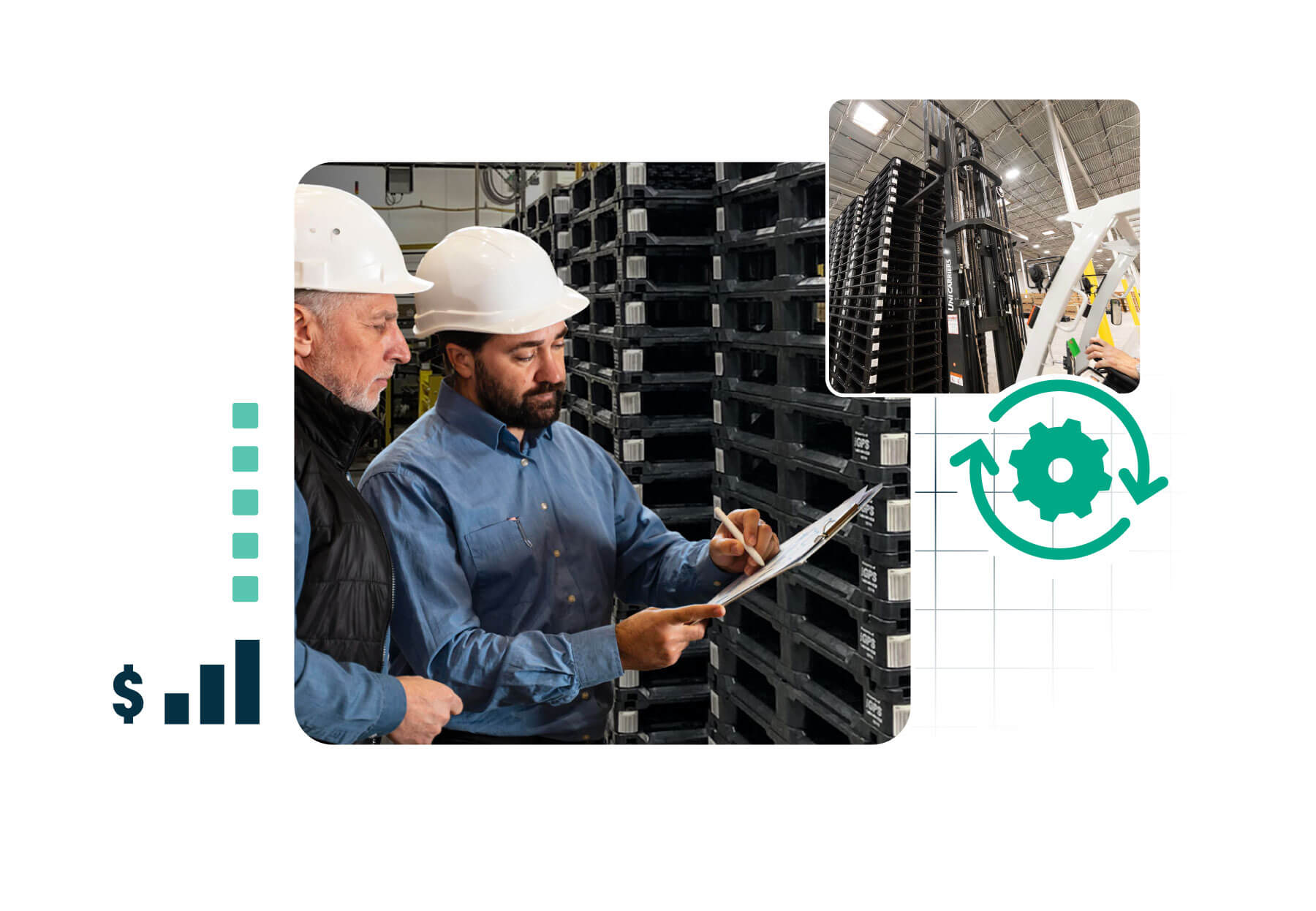
Plastic pallets provide a structural advantage in automated settings. Their consistent dimensions and reinforced construction support predictable movement across conveyor systems and retrieval equipment. In contrast, wood pallets can vary in construction and may shed debris, which introduces variability into systems designed for precision.
Workforce and Change Management in Automation Projects
Technology rarely causes automation delays. Organizational resistance does. Automation reshapes roles, shifts performance metrics, and changes daily workflows. Without clear communication and structured training, workforce hesitation slows adoption.
Leaders who frame automation as a productivity and safety improvement see faster engagement. Training in robotics oversight, system monitoring, and exception handling builds confidence. Change management should begin before equipment installation. Early alignment protects warehouse performance during transition and reduces operational disruption.
Strategies for Overcoming Challenges
Strong planning reduces automation risk. Leaders who invest in assessment and phased deployment protect operational continuity.
Effective strategies include:
- Conduct a full operational assessment before launching an automation project
- Clean and standardize inventory data
- Align warehouse management system architecture with automation solutions
- Define measurable ROI targets before implementation
- Pilot automation technologies in a controlled zone
- Assign clear project management ownership
Phased deployment improves control. A facility may automate one picking zone before expanding across the full warehouse space.
Clear accountability ensures integration milestones are met before scaling.
Building a Scalable Warehouse Automation Strategy
A scalable automation strategy begins with long-term throughput modeling. Leaders must align warehouse automation systems with projected supply chain growth. Phased implementation supports flexibility. Teams validate performance in one area before expanding automation infrastructure.
Scalable automation requires an adaptable system architecture. Conveyor networks, robotics, and automated storage and retrieval systems must integrate without restricting future expansion. Capital planning influences scalability. Overinvestment in fixed configurations can limit future adjustments.
Executives who plan for multi-year capacity expansion typically achieve stronger long-term return on investment.
Benefits of Warehouse Automation
When warehouse automation is implemented thoughtfully — with clean data, aligned systems, and stable infrastructure — the operational impact is tangible. It goes beyond speed. It reshapes how performance is measured, controlled, and improved over time.
Key operational advantages include:
- Higher, more consistent throughput
- Reduced dependency on fluctuating labor availability
- Improved inventory accuracy through system-driven tracking
- Better use of vertical and horizontal warehouse space
- Lower picking and shipping error rates
- Clear performance metrics tied to return on investment
Automation also stabilizes peak periods. Robotics and conveyor systems maintain output levels during demand spikes, reducing overtime exposure and service disruptions.
Most importantly, integrated systems give leaders clearer visibility into cycle times, bottlenecks, and cost drivers. Automation shifts warehouse management from reactive problem-solving to proactive control.
Examples of Warehouse Automation Technology
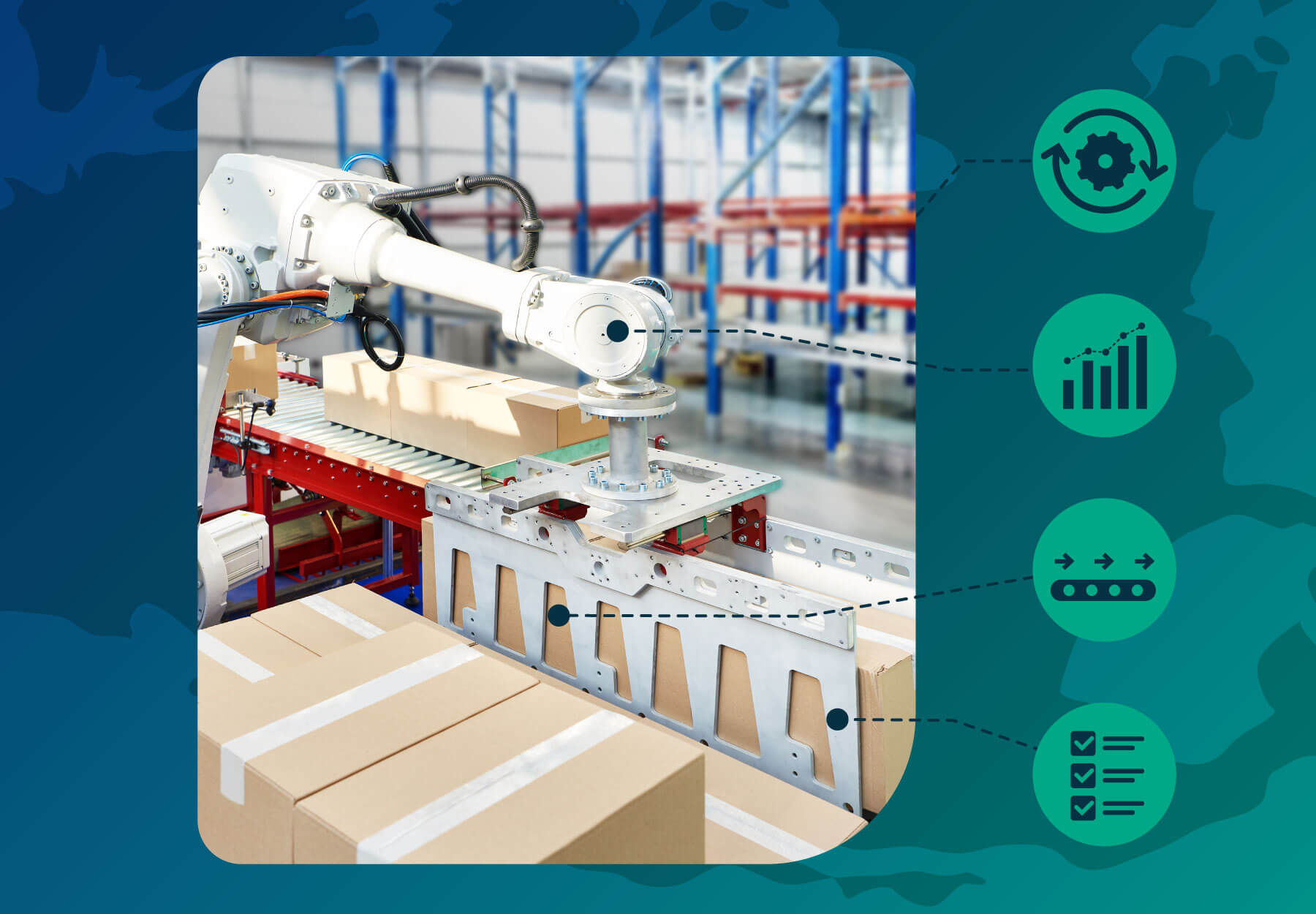
Warehouse automation technology spans physical equipment and digital systems. Each tool supports specific warehouse processes.
Common examples include:
- Conveyor and sortation systems
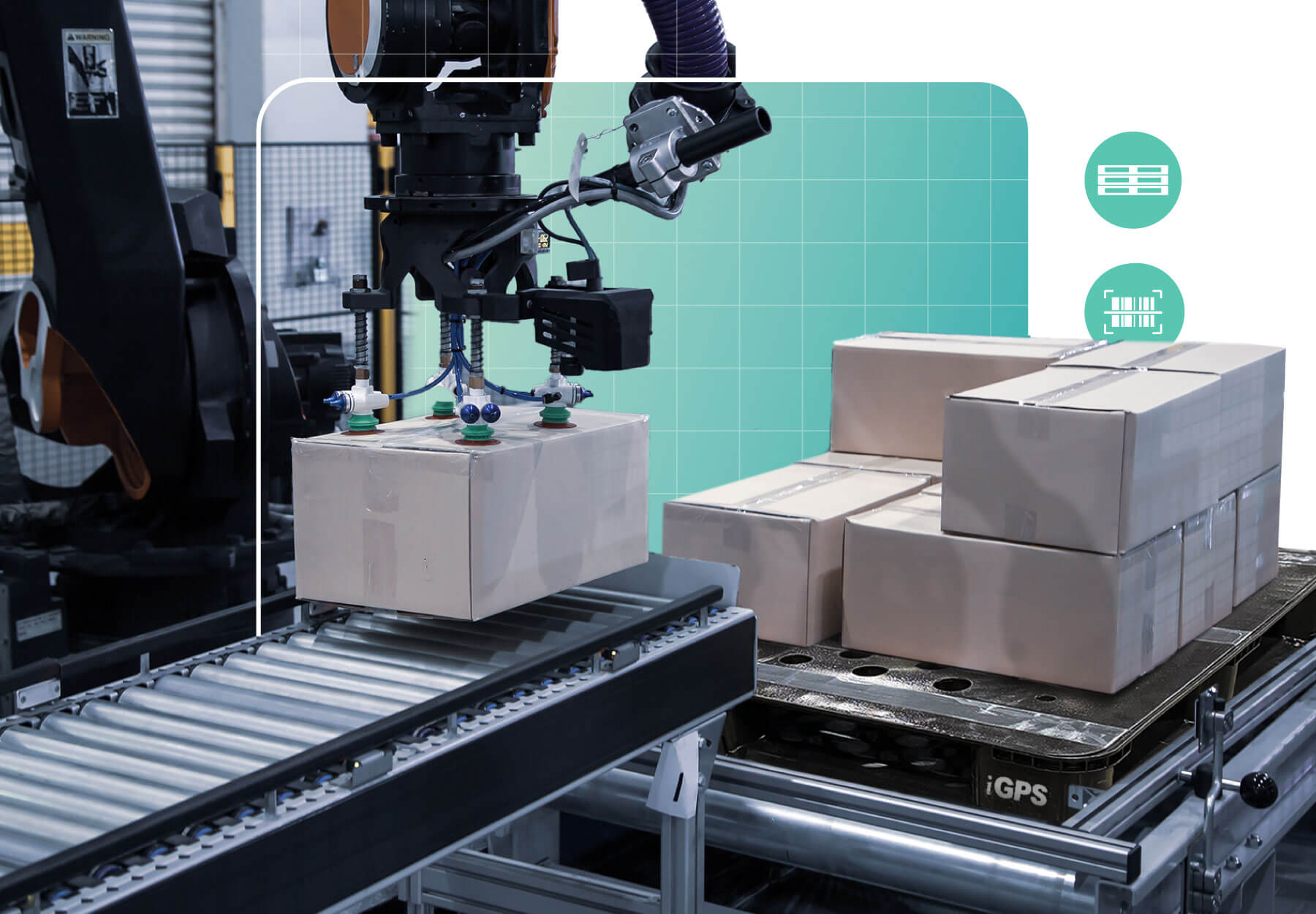
- Robotics for picking and palletizing
- Automated storage and retrieval systems
- Autonomous mobile robots (AMRs)
- Warehouse management systems (WMS)
- Voice-directed picking systems
- RFID-enabled pallets for pallet-level tracking
- AI-powered inspection systems
RFID-equipped pallets improve visibility across read points. When paired with scanners and software, tagged platforms record movement history and location events in real time.
For example, a food manufacturer can associate pallet IDs with load data during outbound shipping. Scans at distribution centers then create digital movement records across the supply chain.
Conclusion
Warehouse automation continues to grow as a core strategy for supply chain leaders. According to market research, the warehouse automation market is projected to exceed$54 billion by 2030, with broad investments in real-time visibility and robotics adoption. This underscores how critical automation has become.
Success depends on data discipline, infrastructure readiness, and structured project governance. Leaders who align systems with long-term capacity planning and workforce engagement reduce risk and improve scalability.
Automation delivers measurable benefits when strategy, systems, and material handling platforms operate in alignment.
FAQ
How Do I Automate My Warehouse?
Start by identifying operational friction, not equipment preferences. Map bottlenecks, validate data accuracy, and assess infrastructure readiness before selecting automation technologies. Pilot systems in a contained area, measure impact, and refine integration before scaling. Automation works best when deployment follows operational discipline rather than vendor timelines.
How To Measure Automation Success?
Measure stability before speed. Track throughput consistency, order accuracy, exception rates, labor hours per unit, and system uptime. Compare pre-implementation baselines to post-launch performance over multiple demand cycles. Sustainable ROI depends on predictable execution, not short-term volume spikes.
Are Plastic Pallets Better For Warehouse Automation?
Plastic pallets provide consistent dimensions and smooth surfaces. These characteristics support conveyors, AS/RS environments, and robotics.
Wood pallets can vary in size and may shed debris, which can affect automated equipment.
Embedded RFID tags inside plastic pallets enable pallet-level tracking when scanned at read points. Tags record movement events and strengthen operational visibility.
Should You Own Or Rent Your Pallets For Optimal Automation?
It depends on your network complexity and capital strategy, but pooled or rental models often align better with automation. They provide standardized, consistently maintained pallets without tying up capital in asset management. For automated environments, predictable quality and availability typically matter more than ownership itself.
What Is the ROI Timeline for Warehouse Automation?
ROI timelines vary by scope and labor structure, but many projects target recovery within 18 to 36 months. Gains typically come from reduced labor dependency, improved inventory accuracy, lower error rates, and better space utilization. Phased deployment shortens payback by reducing disruption during transition.
How Do Legacy Systems Impact Automation Projects?
Legacy systems often limit integration flexibility and slow automation performance. Older warehouse management platforms may lack API capability or structured data architecture required for robotics and automated storage systems.
Inconsistent pallet identification or non-standard load platforms can compound these gaps. Upgrading system interfaces and standardizing pallet selection helps stabilize integration and improve automated performance.
What Role Does Pallet Standardization Play in Automation?
Pallet standardization is critical to automation reliability. Consistent dimensions, stable load capacity, and reinforced construction reduce conveyor disruptions, scanning errors, and equipment strain. In automated environments, even small variations can cause stoppages. Therefore predictable, uniform pallets help maintain system uptime and protect long-term performance.
What Are the Biggest Risks in Implementing Warehouse Automation?
The biggest risks are poor data quality, weak system integration, and inconsistent infrastructure that automation will quickly expose. Attempting to automate too much at once can also concentrate financial and operational risk. Successful deployments focus on clean data, phased implementation, and operational readiness before scaling.
Modern warehouse automation depends on infrastructure that supports consistency, traceability, and reliable material flow across conveyor, AS/RS, and robotics environments. iGPS serves as an infrastructure partner by providing durable, dimensionally consistent plastic pallets designed to perform in automated warehouse operations.
By combining RFID-enabled plastic pallets with a managed national pooling network, iGPS helps organizations reduce equipment disruption, improve pallet-level visibility, and control total cost across automated supply chain environments. To learn how iGPS supports warehouse automation strategies, call 1-800-884-0225, email switch@igps.net, or visit the contact page.