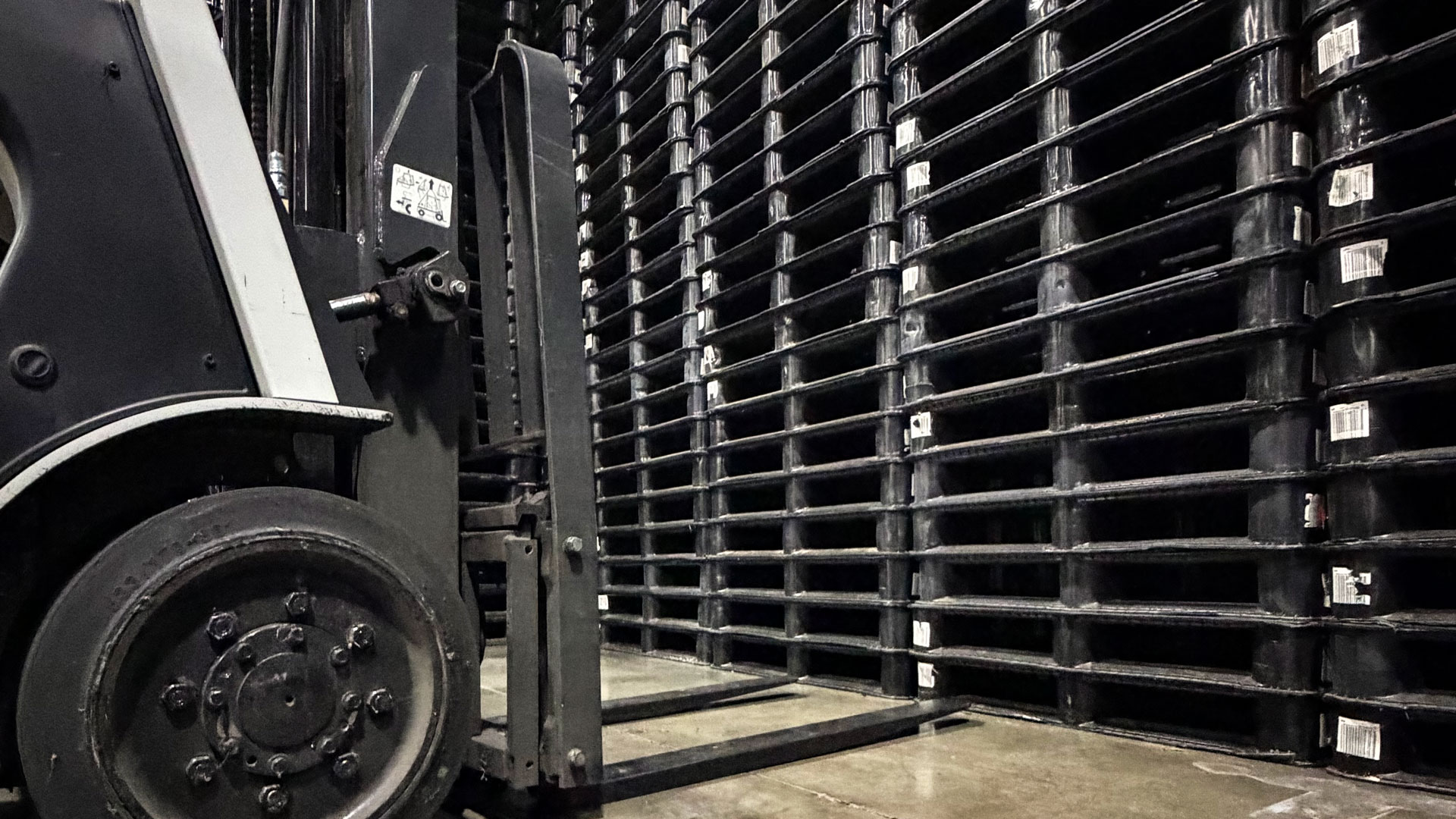
Plastic pallet rental gives manufacturers, warehouses, and distribution centers access to reusable pallets without purchasing and managing an owned fleet. Depending on the program, a rental provider may also manage pallet supply, recovery, inspection, cleaning, repair, and reuse.
For operations moving pallets at scale, renting can reduce the time, space, labor, and cost tied to pallet ownership. The right rental model depends on how many pallets an operation needs, where they move, how they are recovered, and how much work the business wants to manage internally.
How Does Pallet Rental Work?
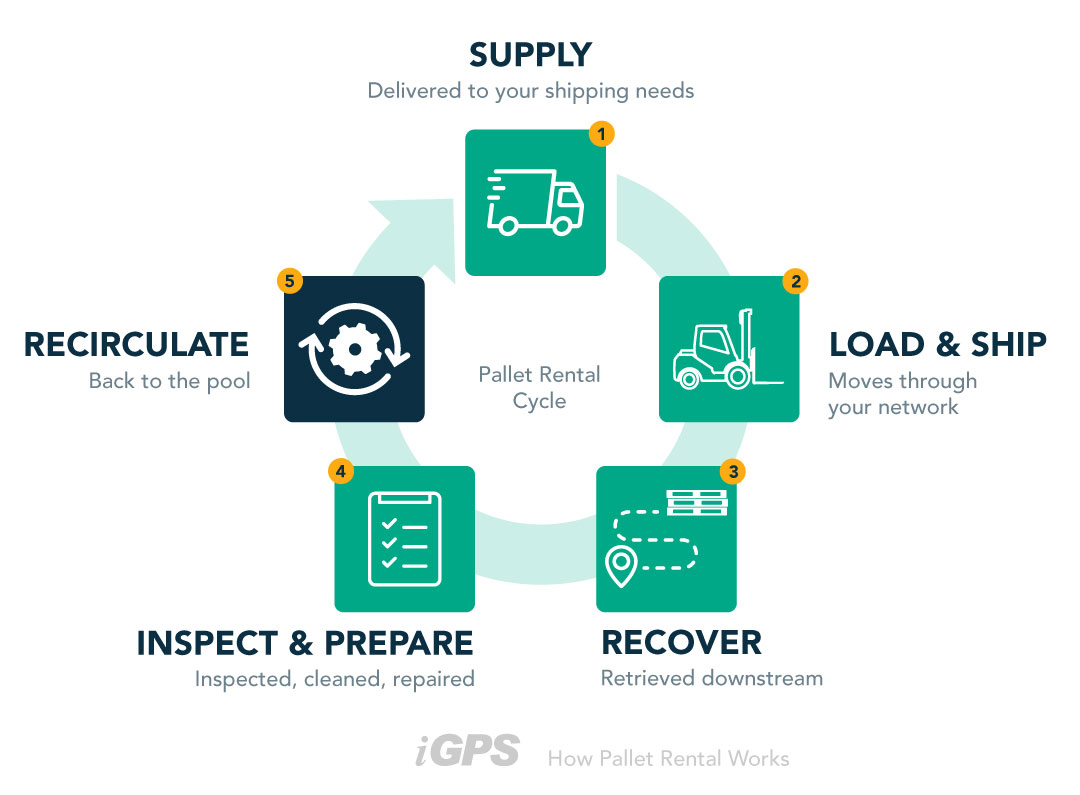
Managed pallet rental and pooling programs generally follow a continuous cycle: (can delete this line and get right into the numbers depending on layout)
- Pallets are supplied. The provider delivers pallets based on the customer’s shipping needs.
- Pallets are loaded and shipped. Products move on the rented pallets through the customer’s distribution network.
- Pallets are recovered. The provider retrieves pallets from participating downstream locations.
- Pallet Maintenance. Returned pallets are inspected, cleaned, and repaired when needed.
- Pallets are recirculated. Serviceable pallets return to the pool for another trip, while end-of-life pallets are removed from service.
The cycle keeps reusable pallets moving without requiring each customer to recover and maintain its own fleet.
Can You Rent Plastic Pallets?
Yes. Companies can rent plastic pallets instead of purchasing and maintaining their own pallet inventory. Rather than buying each pallet, the company pays to use pallets supplied by a rental provider.
At scale, pallet rental is commonly managed through a pallet pooling system. Rental describes how the customer accesses the pallet; pooling describes the network that keeps those pallets moving through the supply chain.
iGPS uses a pooling model because its service goes beyond supplying pallets. iGPS manages their supply, recovery, inspection, cleaning, repair, and recirculation.
What Is Included in a Pallet Rental Service
What is included in pallet rental depends on the provider and type of program. At its simplest, rental provides access to pallets without purchasing them. Managed rental and pooling programs can also include services to manage pallets throughout their use:
Pallet supply
Delivering pallets based on customer volume and shipping needs.
Recovery
Collecting pallets from downstream locations and returning them to the provider or pool.
Inspection
Checking returned pallets before they go back into circulation.
Cleaning and repair
Preparing pallets for continued use and addressing damaged units.
Network management
Managing pallet inventory and repositioning assets based on demand.
Tracking and identification
Using serialized IDs, barcodes, or RFID to identify pallets and record movement at defined scan points.
End-of-life management
Removing pallets from service and managing recycling or disposal.
Benefits of Pallet Rental vs. Buying Pallets
Renting can reduce the pallet inventory and management responsibilities a company handles internally.
Avoid ongoing pallet purchases
Companies pay for pallet use rather than building and replacing an owned fleet.
Reduce empty pallet storage
Rental can reduce the space needed to hold pallets between uses.
Shift recovery and maintenance work
Managed programs can handle pallet retrieval, inspection, repair, and end-of-life management.
Adjust supply as volume changes
Pallet quantities can respond to seasonal demand and changing shipping volumes.
Maintain consistent pallet standards
Pool operators inspect pallets before returning them to circulation.
See a more detailed comparison of pallet rental vs. buying.
Cost Comparison: Renting vs. Buying Pallets
The purchase price or rental fee is only one part of pallet cost. For procurement teams, a more useful comparison considers what the business spends to keep enough usable pallets available and moving.
| Cost | Buying Pallets | Renting Pallets |
|---|---|---|
| Pallets | Purchase the fleet and replacements | Pay for pallet use |
| Storage | Capital expense to store empty pallets between uses | Reduced need to maintain an owned inventory |
| Recovery | Manage retrieval and return transportation | Pool operator manages recovery |
| Inspection and repair | Customer manages or pays for maintenance | Managed through the rental program |
| Loss and replacement | Replace lost or unusable pallets | Handled according to the rental agreement |
| Administration | Track inventory, purchasing, recovery, and maintenance | Many fleet-management responsibilities shift to the provider |
Look Beyond Cost Per Pallet
Individual pallet prices and rental fees only show part of the cost. When comparing owning vs. renting pallets, it can be more useful to look at what each model costs for every pallet load shipped.
A simple way to compare the two:
OWNING PALLETS
Cost per pallet load =
Purchases + Freight + Storage + Recovery + Cleaning/repair + Replacement/loss + Ordering & inventory
Total pallet loads shipped
PALLET RENTAL
Cost per pallet load =
Rental fees + Freight + Services not in agreement
Total pallet loads shipped
When deciding which model is right for your business, iGPS recommends comparing the total cost per pallet load rather than purchase price and rental fees alone. This accounts for the resources required to keep pallets available and moving under each model.
For current plastic pallet price ranges and the factors that affect purchase cost, see How Much Does a Plastic Pallet Cost?
When Does Pallet Rental Make Sense?
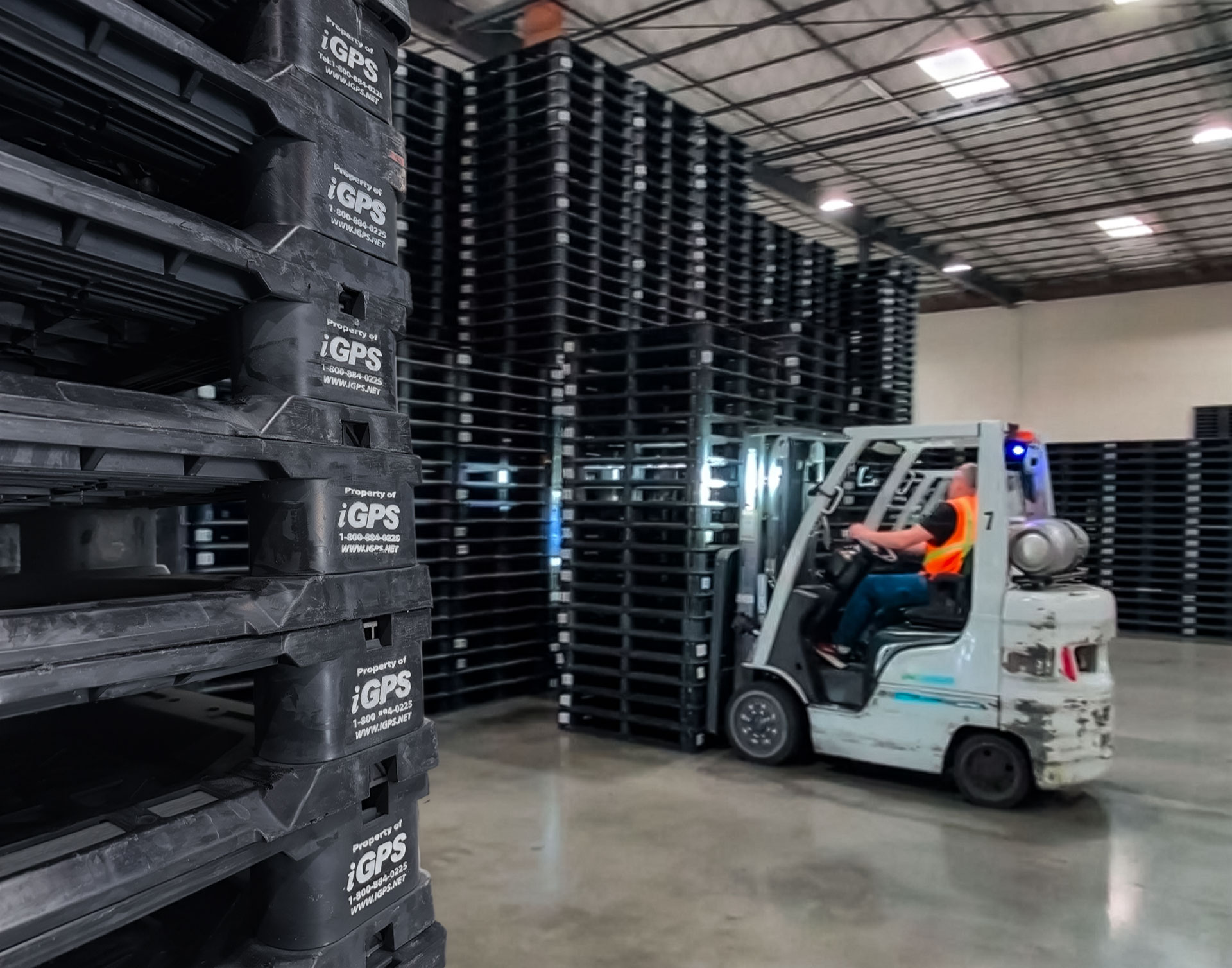
Pallet rental may make sense when:
- High or recurring pallet demand: The operation regularly purchases pallets or maintains a large inventory to support shipping.
- Recovery and maintenance require internal resources: Employees, transportation, or warehouse space are being used to recover, inspect, repair, or store pallets.
- Shipping volumes change: Seasonal peaks or changing production volumes make it difficult to maintain the right pallet inventory.
- Consistent pallets matter to the operation: Conveyors, palletizers, AS/RS, racks, or other equipment depend on predictable pallet dimensions and construction.
- Pallet loss and replacement are recurring costs: Pallets regularly leave the network or become unusable and need replacement.
- Pallet material affects the application: Hygiene, moisture, foreign-material concerns, weight, or other operating requirements make plastic pallets a better fit for the load or facility.
When Might Buying Pallets Make More Sense?
Buying may make more sense for operations with low pallet volumes, limited shipping points, or closed-loop systems where pallets are easy to recover and reuse internally. Ownership may also work well when a company has the space, labor, and processes to manage pallet inventory, inspection, repair, and replacement efficiently.
How to Evaluate a Pallet Rental Provider
The pallet itself is only part of a rental program. A provider also needs the network and processes to keep usable pallets available, recover them after shipment, and return them to circulation.
When comparing providers, consider:
- Pallet availability: Can the provider support your shipping volume, locations, and seasonal demand?
- Pallet consistency: Are pallet dimensions, construction, and load capacities appropriate for your equipment and loads?
- Recovery network: How are pallets retrieved after they move downstream?
- Inspection and maintenance: Who handles cleaning, damaged pallets, repair, and replacement?
- Identification and tracking: How are individual pallets identified and movements recorded?
- Program requirements: How are loss, damage, recovery, and other responsibilities handled under the rental agreement?
Benefits of the iGPS Plastic Pallet Rental Program
iGPS combines a managed pooling network with a standardized plastic pallet built for repeated use across manufacturing, warehousing, distribution, and retail operations. Customers rent the pallets they need while iGPS manages the supply, recovery, inspection, cleaning, repair, and recycling that keep the pool in circulation.
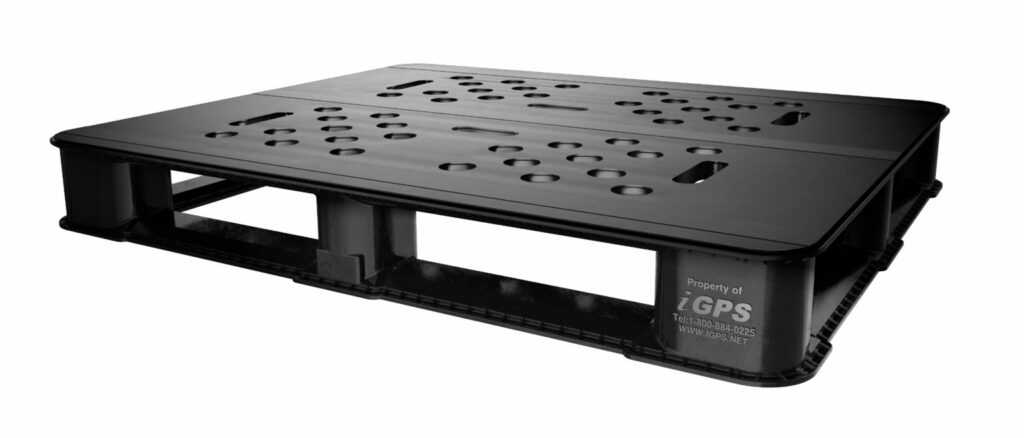
iGPS Plastic Pallet at a Glance
| Specification | iGPS Plastic Pallet |
|---|---|
| Standard footprint | True 48 × 40 in. |
| Material | HDPE |
| Weight | ~50 lb. |
| Dynamic load capacity | 5,000 lb. |
| Edge-rack capacity | 2,800 lb. |
| Static load capacity | 30,000 lb. |
| Identification | Embedded RFID tags + barcode + serialized GRAI ID |
| Expected reuse | 100+ trips |
| End of useful life | 100% recyclable |
Why These Specifications Matter
- Consistency supports automated handling. Consistent dimensions and smooth surfaces help iGPS pallets move reliably through conveyors, palletizers, AS/RS, forklifts, racks, and other material-handling equipment.
- HDPE performs well around moisture. The non-porous pallet does not absorb liquids or warp from moisture. It also has no nails or splinters and does not shed wood debris, which can help reduce housekeeping and foreign-material concerns.
- Embedded identification supports pallet visibility. Embedded RFID tags, a barcode, and a serialized GRAI ID support pallet identification, load association, event recording, and movement history when read at defined scan points.
- Lower weight can reduce transportation weight. At approximately 50 pounds, iGPS pallets are lighter than many comparable wood block pallets, reducing the non-product weight carried with each load.
- The pallet is backed by a managed pool. iGPS manages recovery, inspection, cleaning, repair, and recycling, so customers don’t have to build those processes around an owned fleet.

Case Study: Magnetic Springs
iGPS can help evaluate your shipping volume, network, pallet requirements, and current pallet-management costs to determine whether a pooled plastic pallet program is a fit.
For Magnetic Springs, moving from owned wood pallets to the iGPS plastic pallet pool reduced transportation needs, cleanup time, and the work required to manage damaged pallets.
Magnetic Springs also eliminated the need to manage disposal of heavily damaged pallets. iGPS recovers damaged pallets through the pool and recycles them.
The results show how pallet rental can create value beyond the pallet itself, reducing transportation, labor, and pallet-management work across the operation.
Read the full Magnetic Springs pallet sustainability case study.
Lower Transportation Costs
~50
Fewer truckloads/year
Fewer truckloads mean less fuel and transportation expense to move the same amount of product.
Improved Labor Productivity
12%+
Increase in cleaning productivity
Less pallet debris and easier-to-clean surfaces saved cleanup time.
More Product Per Load
29vs. 28
Pallets per truck
Less pallet weight leaves more capacity for product.
Not sure whether renting or owning makes more sense for your operation?
iGPS can help evaluate your shipping volume, network, pallet requirements, and current pallet-management costs to determine whether a pooled plastic pallet program is a fit.
More Resources About Pallet Rental and Pooling
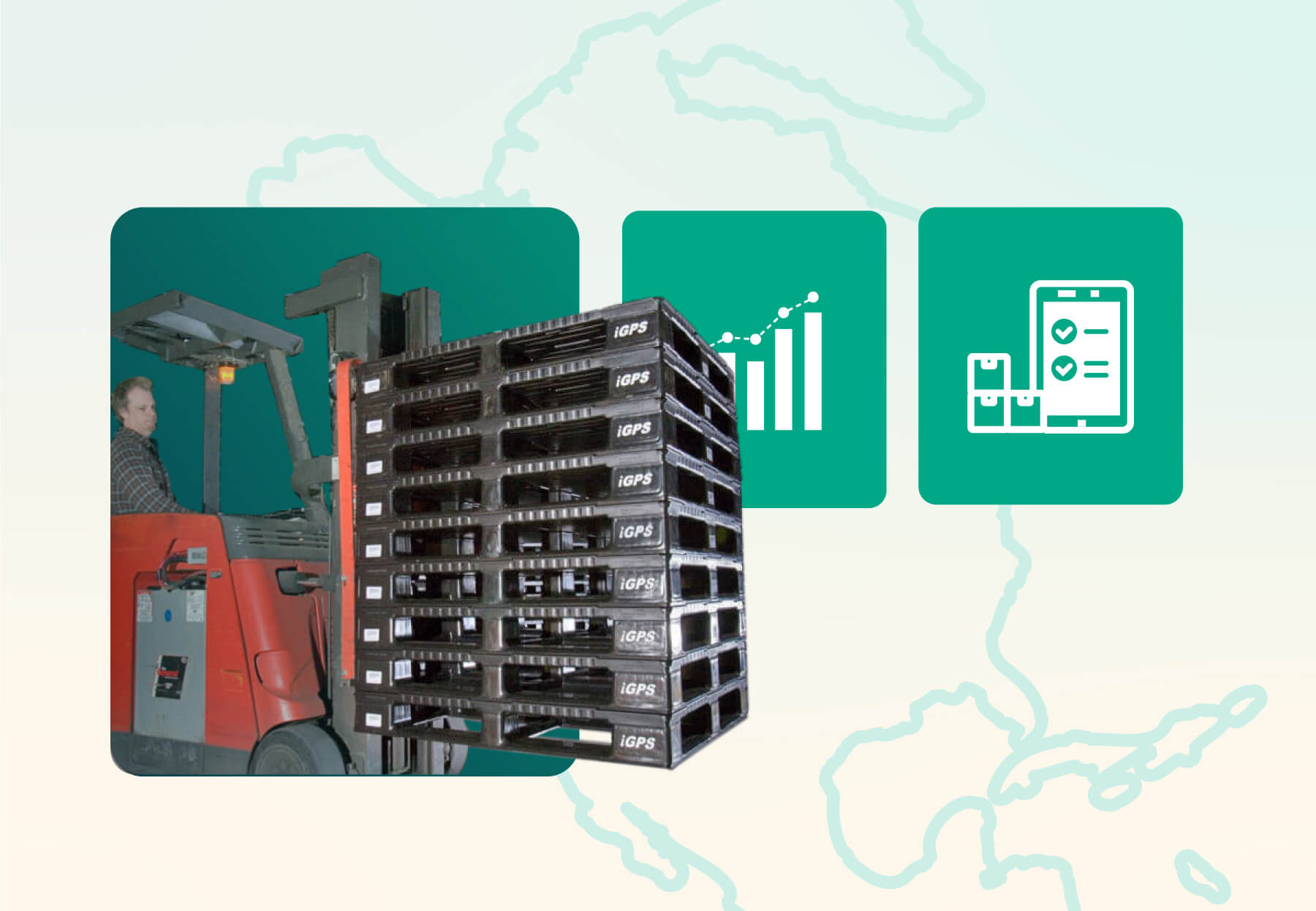
Renting Pallets vs. Buying Pallets
Compare the operational responsibilities and considerations of renting versus owning pallets.
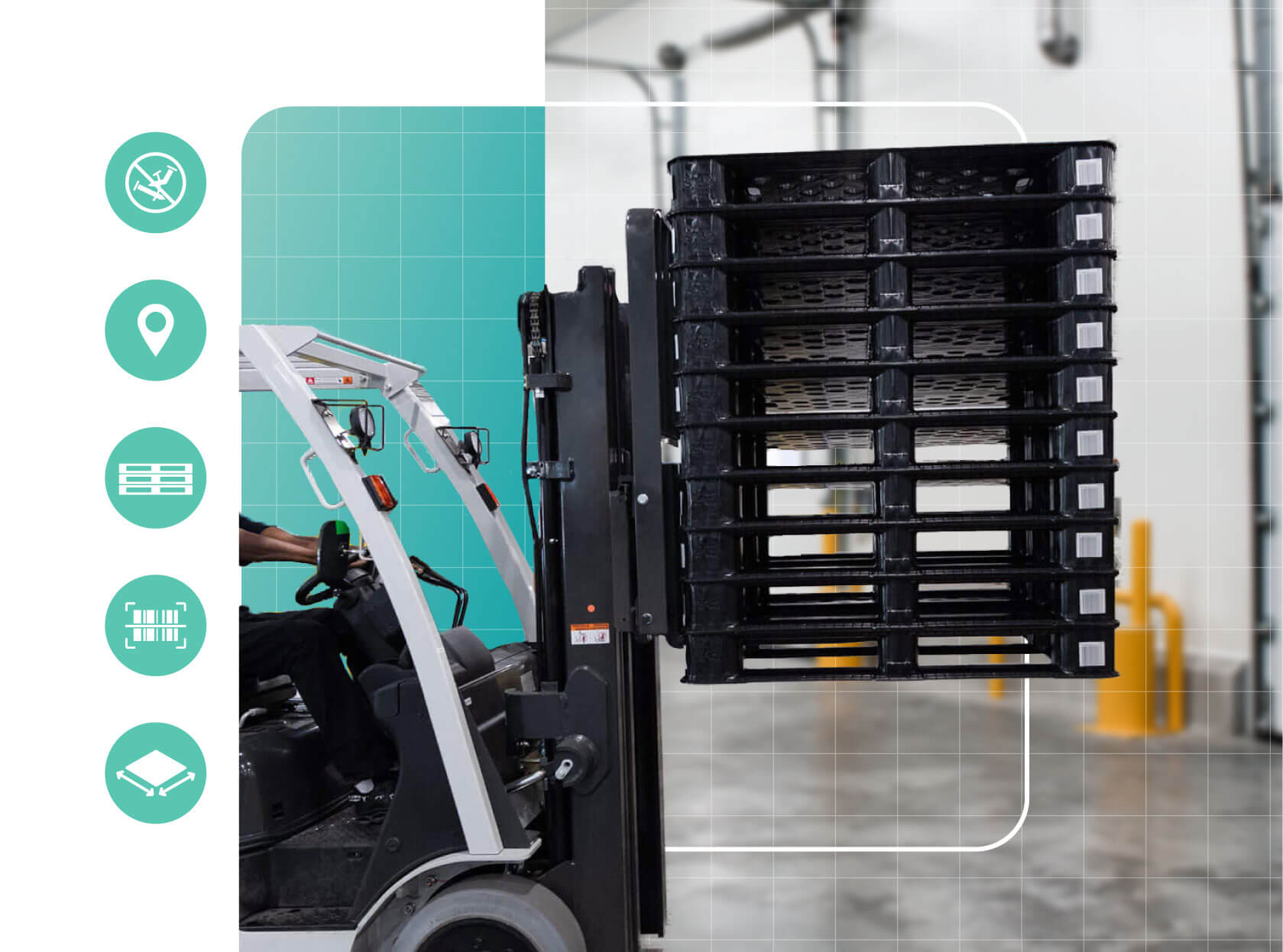
Pallet Pooling vs. Pallet Ownership
See how recovery, storage, repair, loss, and management affect the total cost of each model.
Pallet Exchange vs. Pallet Rental
Understand how pallet exchange agreements differ from a managed rental program.
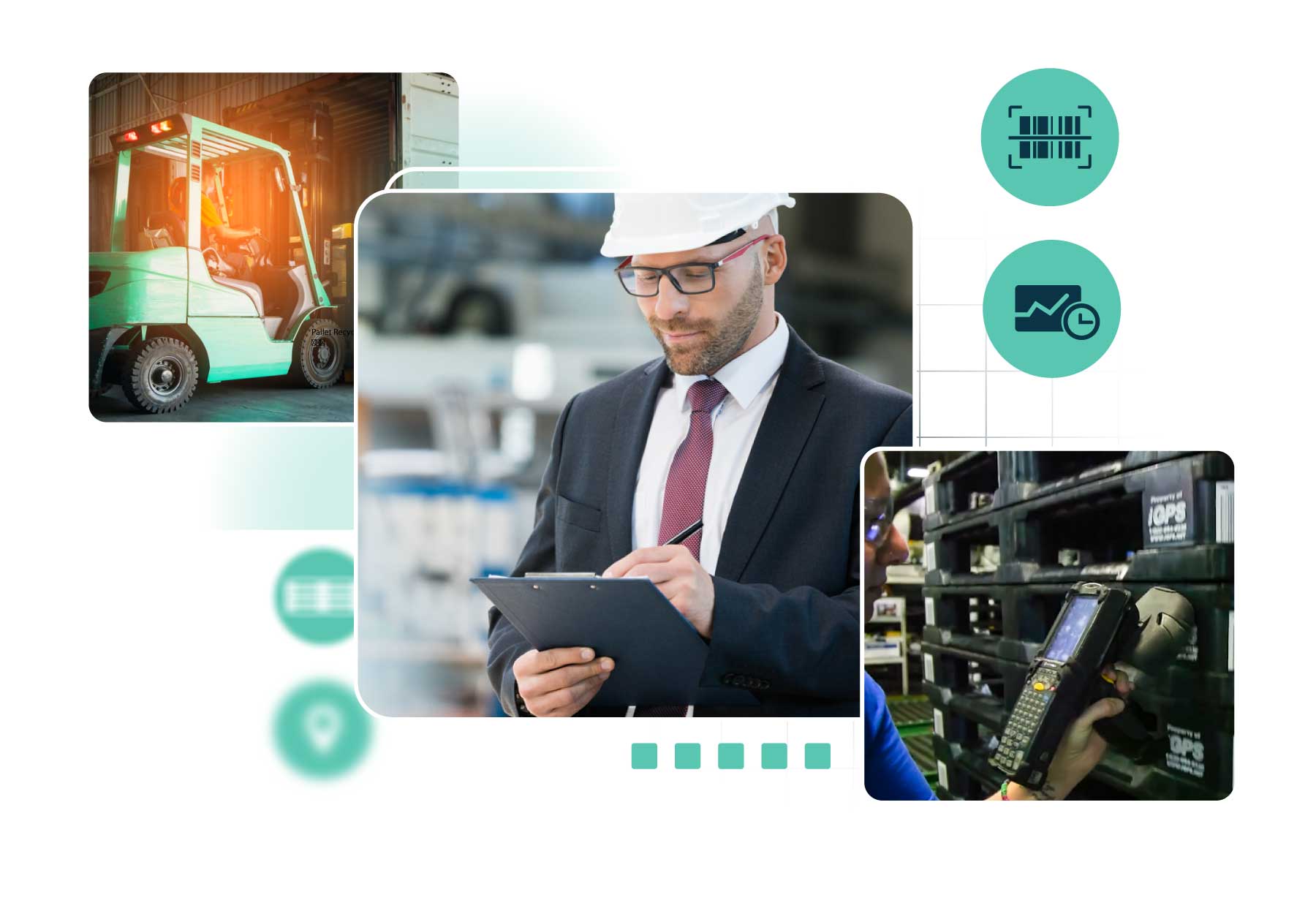
Why Choose a Pooled Pallet Rental Program?
See how a managed pallet pool can support pallet supply, recovery, and reuse across a distribution network.
Frequently Asked Questions
What is the difference between pallet rental and pallet pooling?
Pallet rental describes how a company accesses pallets: it rents them rather than purchasing them. Pallet pooling describes the system that supports the rental, with reusable pallets moving through a shared network managed by the pool operator. iGPS uses a pooling model because its service includes both pallet rental and management of the network that keeps those pallets in circulation.
How much does it cost to rent plastic pallets?
Plastic pallet rental costs vary based on pallet volume, usage, shipping patterns, rental terms, and the services included in the program. Pricing can reflect both pallet use and the services required to manage the pool. For more information on purchase prices and costs to consider when comparing buying with renting, see our guide to plastic pallet costs.
Is renting pallets cheaper than buying pallets?
It can be. The lower-cost option depends on pallet volume, utilization, recovery requirements, loss rates, and the cost of managing an owned fleet. Companies should compare the total cost of each model, not just purchase price and rental fees.
What types of plastic pallets are available for rent?
Available plastic pallets vary by rental provider and application. Companies should consider pallet dimensions, load capacity, rackability, weight, material, hygiene requirements, and compatibility with conveyors or automated equipment. iGPS rents reusable 48×40 HDPE pallets designed for use across manufacturing, warehousing, distribution, and retail supply chains.
What happens if rented plastic pallets are damaged or lost?
Policies for damaged or lost rental pallets vary by provider and rental agreement. In a managed pool, providers typically remove damaged pallets from circulation for inspection, repair, or recycling. Lost pallets may result in additional charges depending on the terms of the agreement. Customers should review loss, damage, recovery, and reporting requirements when evaluating a pallet rental program.
Are there industry standards for rental pallets?
Yes. Rental pallets may be designed and tested to recognized standards for pallet size, strength, durability, and material performance. Requirements can also vary by industry, load, equipment, and shipping environment. iGPS plastic pallets meet or exceed Consumer Brands Association (CBA) standards and ISO 8611-3 requirements and have true 48×40-inch dimensions.