Key Takeaways:
- When a wood pallet breaks, the financial impact stretches beyond the cost of the asset itself.
- A broken pallet being returned by a retailer can result in chargebacks and other administrative hassles.
- Broken pallets can also puncture product packaging or pose safety threats to workers.
- They can also jam up automated equipment, resulting in downtime.
- For this reason, many organizations are reevaluating their approach and embracing the safety, durability, and sustainability benefits of plastic pallets.
- Plastic pallets, such as those offered by iGPS, can help manufacturers save from $1 to $4 per pallet shipped when Total Cost of Business is factored in.
- For forward-thinking organizations that prioritize efficiency, it is important to consider the true cost of a broken pallet, not just the obvious cost.
When a wood-block pallet fails and a board breaks or splinters come loose, it’s difficult to measure the true cost to the operation.
At first glance, the obvious question is: is it simply the value of the pallet itself? If you remove it from circulation and replace it, and the operation moves on, have you recovered? Is the loss of that one asset simply the cost of doing business?
But this thinking is incomplete. The broken pallet is not where the financial impact ends; it’s where it begins.
Layers of Costs
A broken pallet is unusable. It needs to be repaired or replaced. And this is a direct cost, which is simple, tangible, and easy to account for. But when you factor in the hidden costs of pallet management, things become more complicated.
If that broken pallet is rejected by a retailer due to damage, suddenly the cost isn’t merely replacement. It’s also the administrative burden, the potential chargebacks, and the disruption to distribution. What might have been a minor defect has now become a service issue.
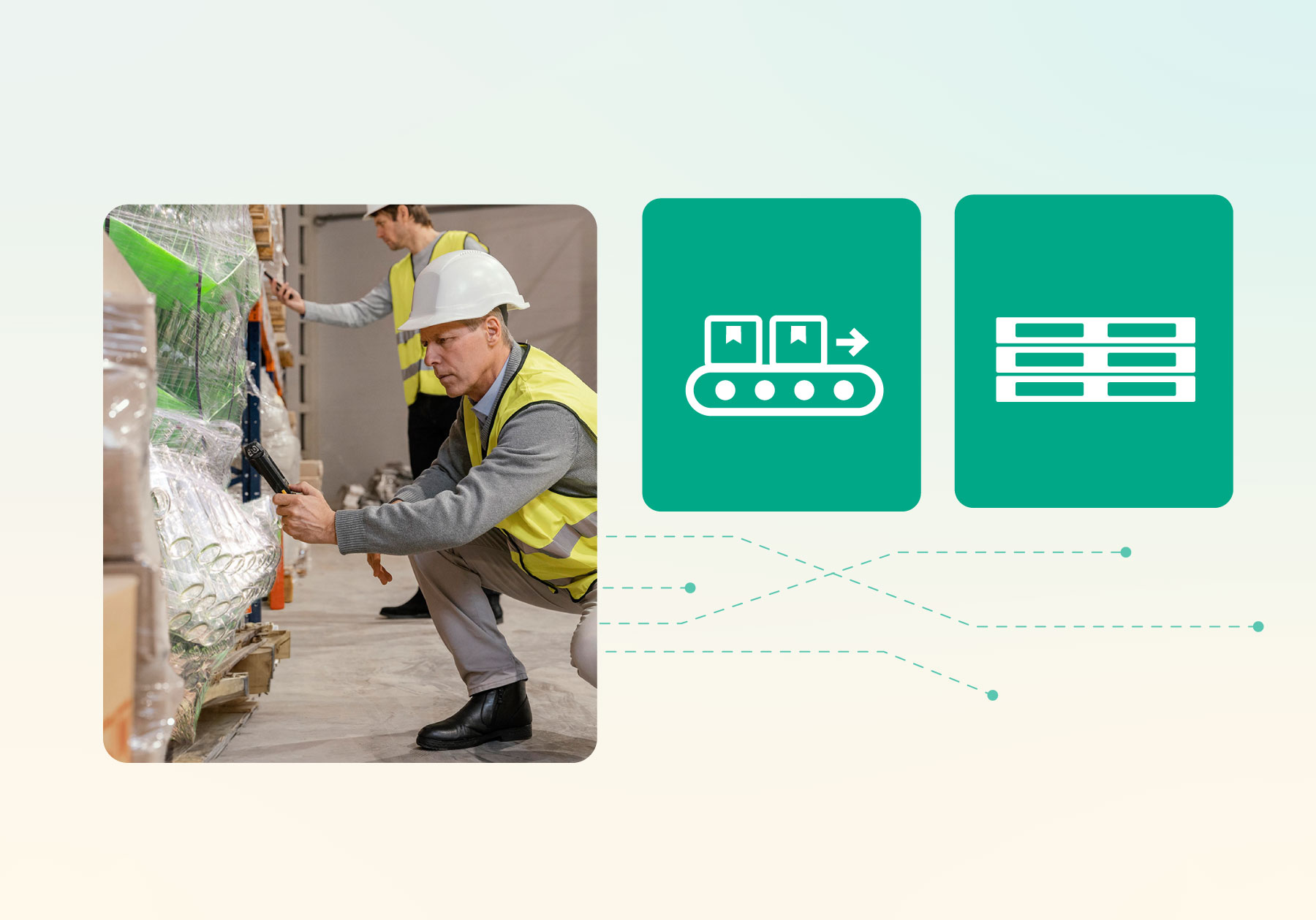
Now let’s consider what else can happen when a pallet is in motion. A broken board can puncture product packaging, leading to write-offs, paperwork, and possibly a strained customer relationship. And if the pallet injures a worker, the operation is facing medical costs, lost time, and potential safety investigations. Even a minor incident can ripple through the supply chain, draining time and resources.
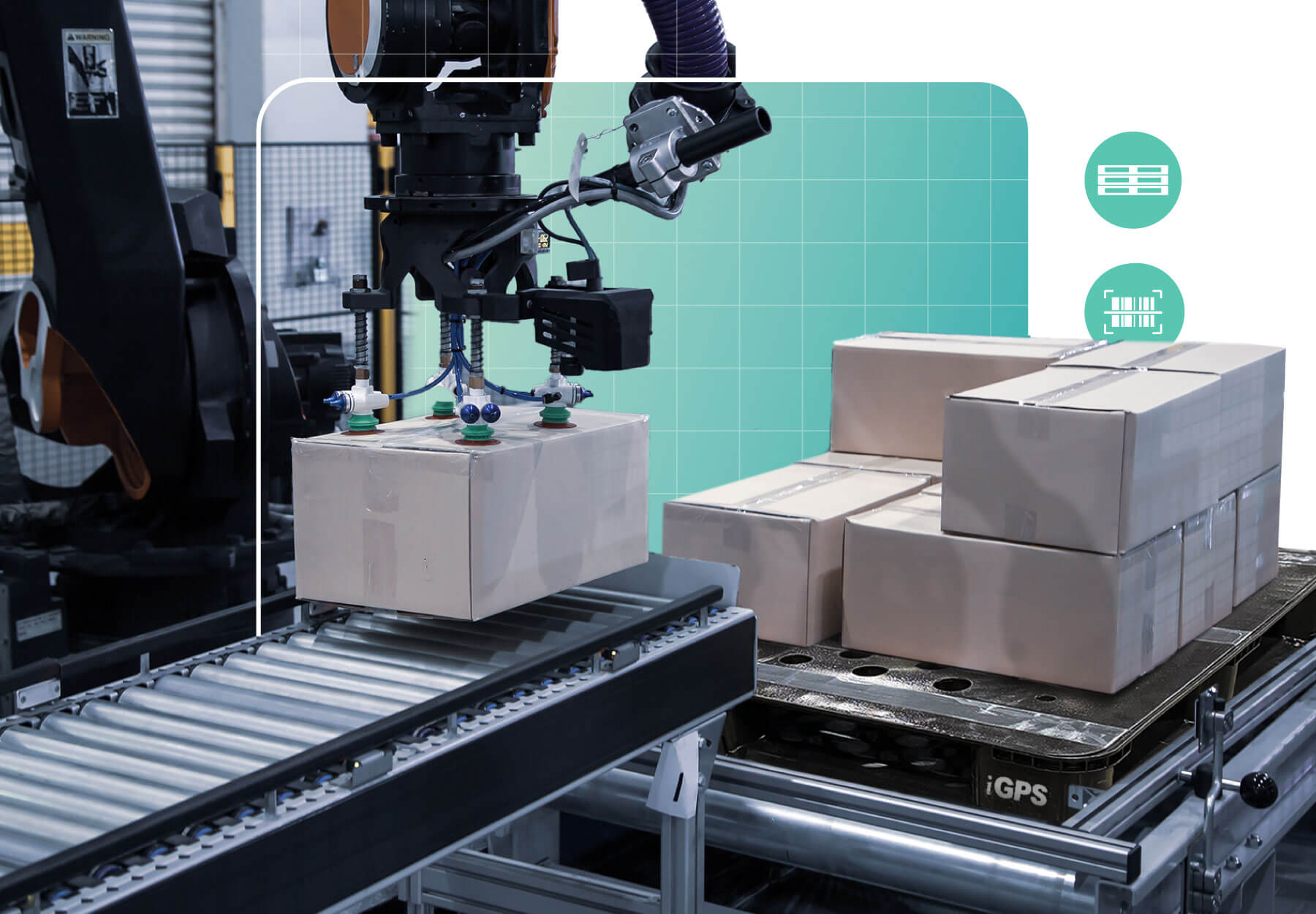
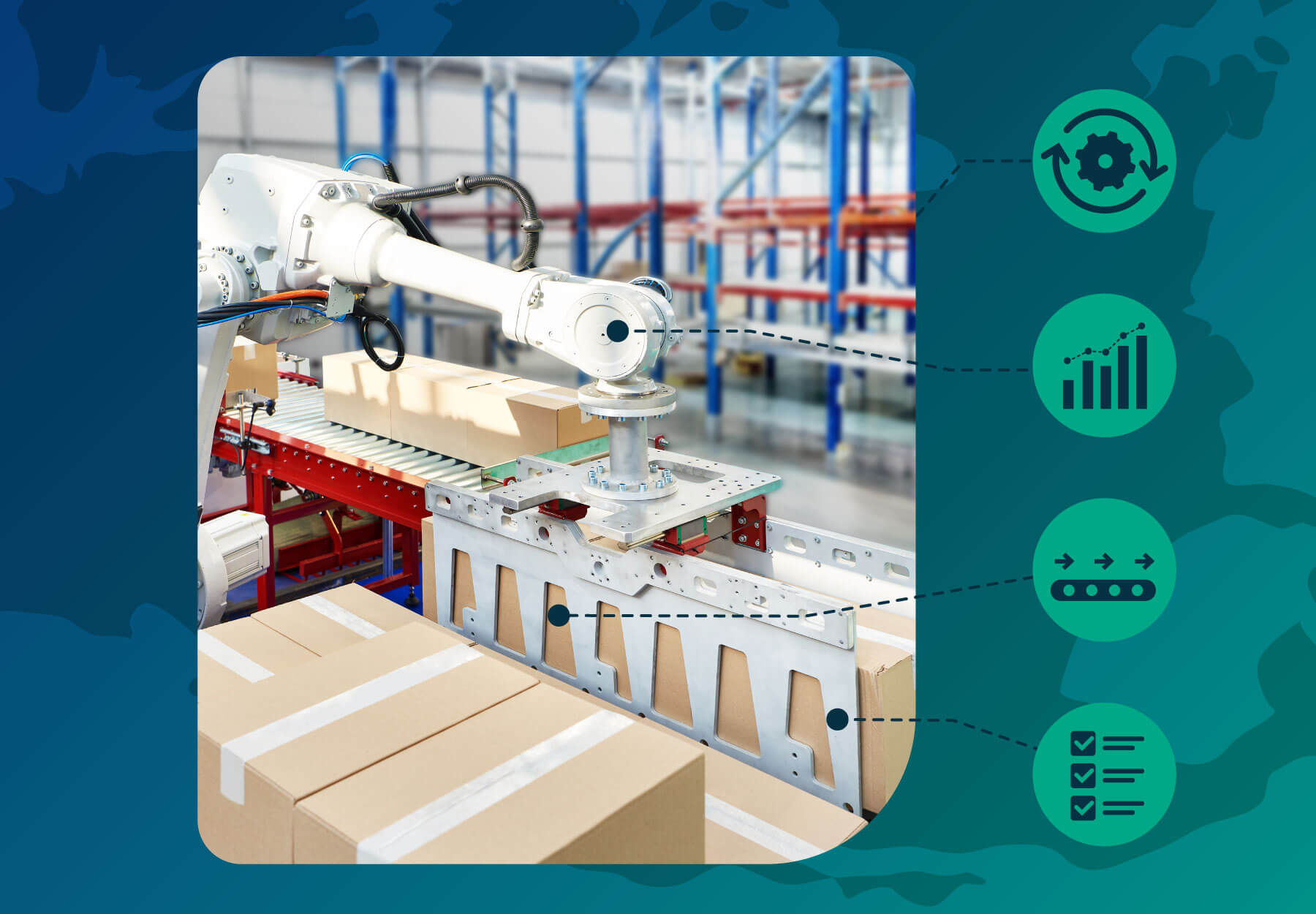
Next, we must consider cleanup. A broken wood-block pallet in a truck or warehouse or moving along a conveyor doesn’t stay politely contained. Someone needs to stop what they are doing to sweep up debris, often in an environment in which every minute matters. And if cleanup time is the only consequence, you’re lucky. Most modern supply chains depend heavily on automated material handling, including conveyors and sorting systems designed for consistency and predictability. A broken pallet introduces the opposite. A snagged board or piece of jammed equipment creates delays and interventions that, even if they are brief, can back up the entire operation of a high-throughput environment.
Suddenly the true cost of that broken pallet includes missed targets and delayed shipments. Unlike the cost of an individual broken pallet, which can be easily quantified, the financial impact of idle time and unhappy partners and customers is diffuse and difficult to track precisely. But it’s very real, and it is potentially the largest component of the entire operation.
The Plastic Paradigm Shift
Wood pallets have been a staple for decades, and understandably so. They are widely available, relatively inexpensive, and in certain environments they perform reliably enough that manufacturers and other stakeholders are willing to write off the disadvantages — especially if it means a lower up-front investment. But this approach misses a bigger picture, because the economics begin to look different when the downstream numbers are totaled.
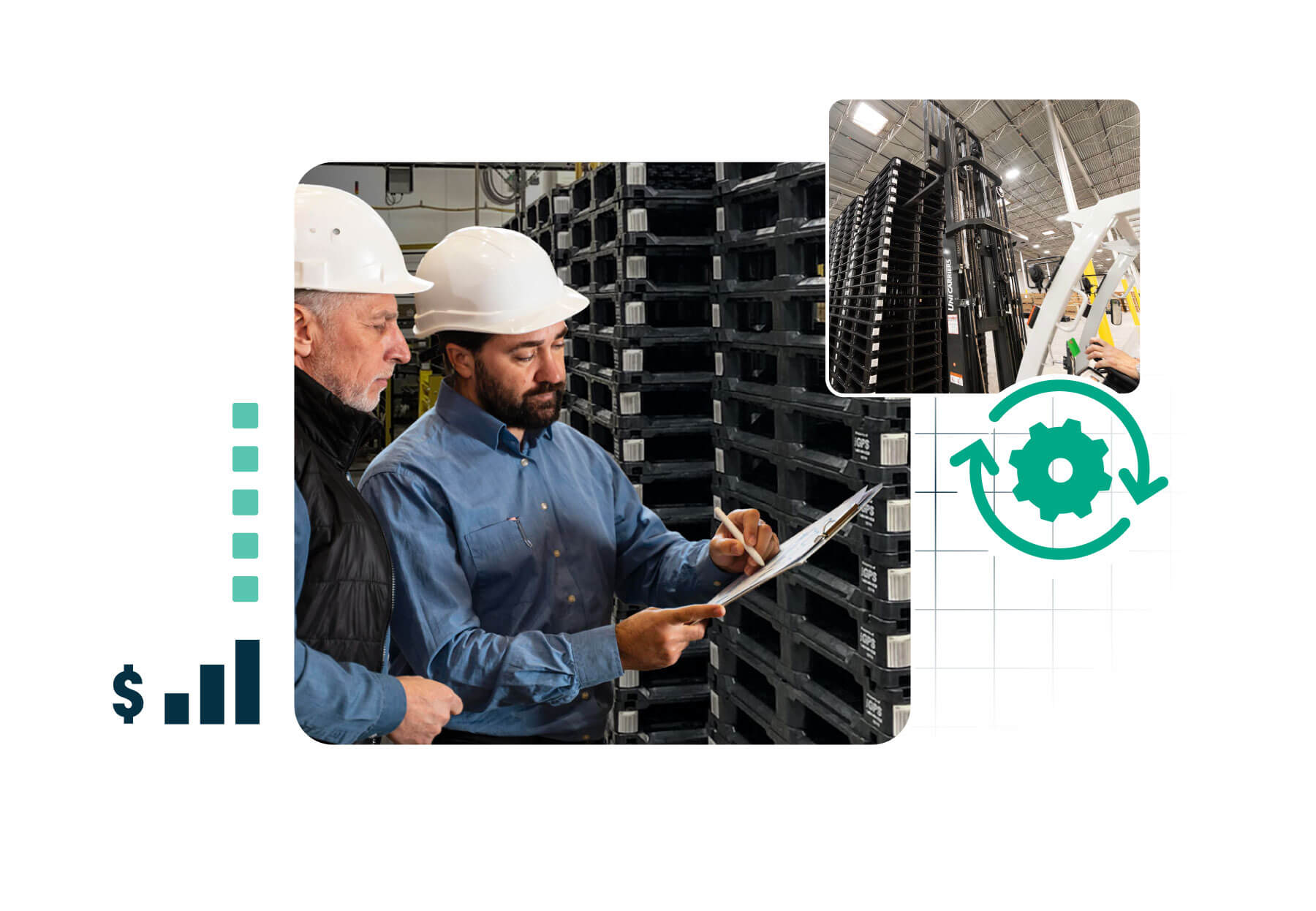
This is why many organizations have reevaluated their approach. Plastic pallets are more durable, less prone to breakage, and manufactured with greater consistency and uniformity. They are also lighter, making them safer for workers and less likely to put wear and tear on equipment, in addition to the sustainability benefit of consuming less fuel during shipping.
When companies consider the true cost of deploying these shipping assets into the supply chain, the math changes: reduced product damage, fewer injuries, and less cleanup and equipment disruptions add up to a lower Total Cost of Business. In fact, some organizations find that they effectively save between $1 and $4 per pallet shipped in overall operational costs. Not because the plastic pallet itself is less expensive, but because it performs so much more reliably within a highly sensitive system that doesn’t tolerate excessive downtime.
In the end, a broken wood-block pallet is easy to dismiss as a minor inconvenience. In the scheme of a busy supply chain, it seems small, even expected. But in a complex, high-speed supply chain, small issues compound and multiply, especially when automation is involved.
What is the true cost of a broken pallet? The true cost is everything that happened because it broke.
And for modern enterprises that prioritize safety and efficiency, this is a cost worth carefully considering.
Frequently Asked Questions
What is the average cost of a pallet?
The average cost of a pallet varies widely depending on material and quality. Standard wooden pallets typically range from about $10 to $25, while higher-end or specialized pallets can cost more. Plastic pallets often carry a higher upfront price, reflecting their durability and longer usable lifespan, but true cost of ownership can be lower when all factors are considered. Pallet rental/pooling has its own unique cost model.
What is the true cost of a broken pallet?
The true cost of a broken pallet extends far beyond replacement. It can include product damage, worker injuries, cleanup labor, equipment disruptions, and costly downtime. What begins as a minor failure can ripple through operations, creating inefficiencies and delays that can significantly outweigh the pallet’s original purchase price.
How should pallet costs be calculated?
Pallet costs should be evaluated based on total cost of ownership, not just upfront price. This means factoring in durability, failure rates, operational disruptions, labor impacts, and potential safety risks. A cheaper pallet may cost more over time if it introduces inefficiencies, while a higher-quality option may deliver savings through consistent performance.
Companies working to reduce the hidden costs associated with broken pallets are turning to iGPS plastic pallets for greater consistency, durability, and operational reliability. Standardized plastic pallets help reduce equipment interruptions, product damage, cleanup labor, and handling variability across warehouse and transportation networks. For more information, call 1-800-884-0225, email switch@igps.net, or visit our contact page.