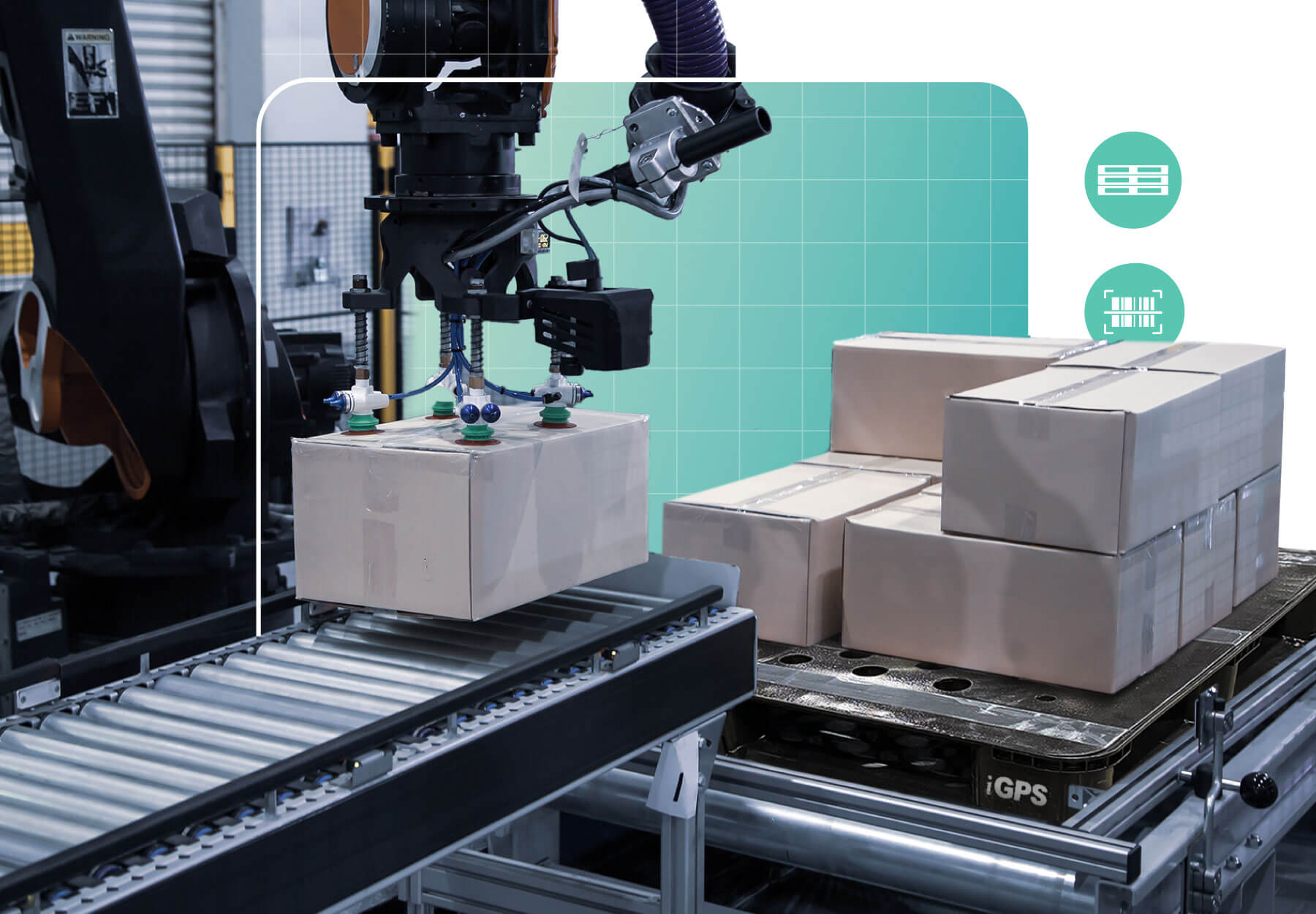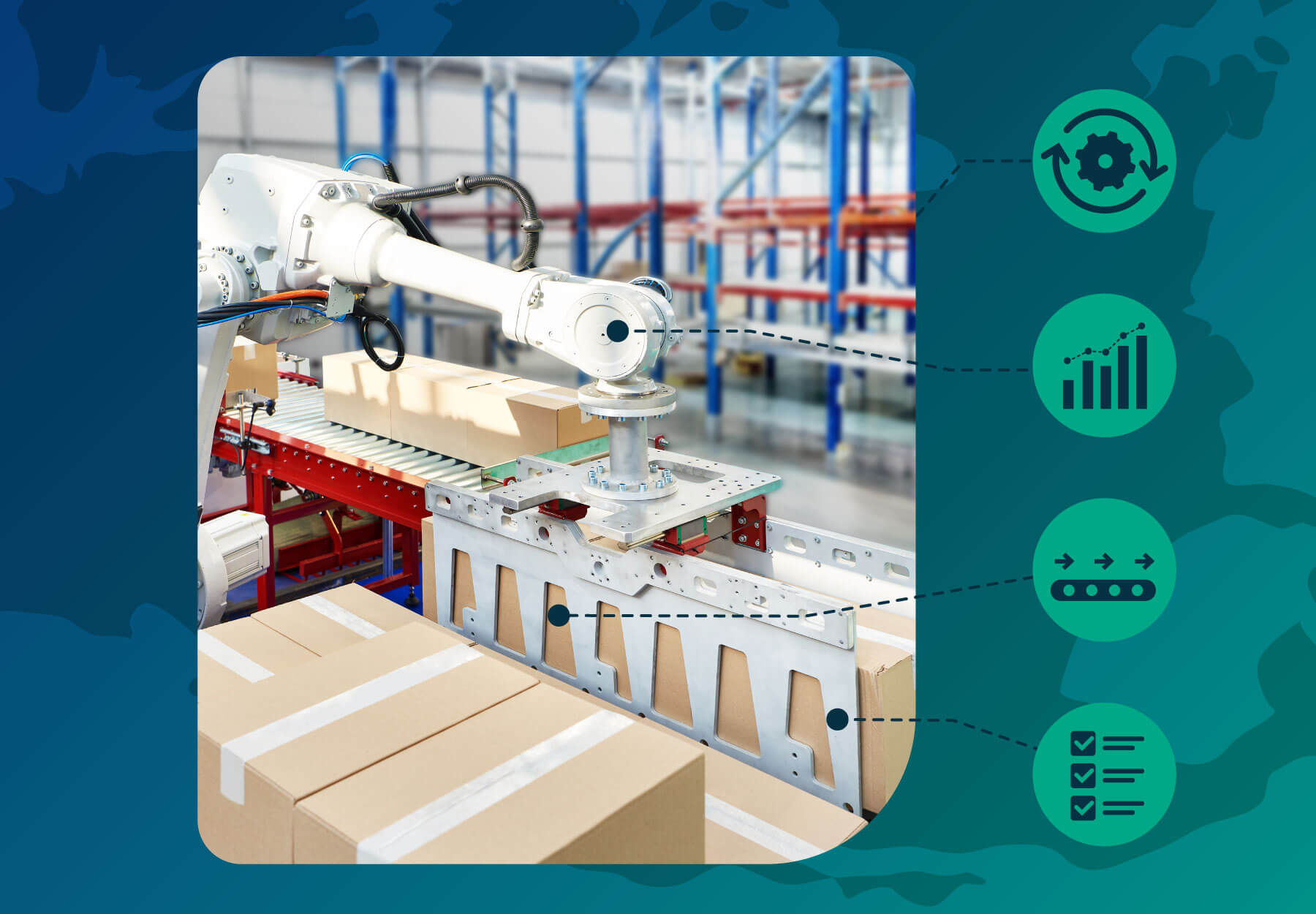
Every returned pallet, container, or tote creates another operational decision.
Should it be recovered, repaired, redistributed, or recycled? The answer affects purchasing costs, pallet availability, operational efficiency, and how effectively reusable materials are managed across the supply chain.
Asset recovery and recycling are both essential parts of reverse logistics, but they serve different purposes. Knowing when to extend the useful life of reusable equipment and when to recycle it helps organizations reduce costs, improve resource utilization, and support more efficient, circular supply chains.
Key Takeaways
- Reverse logistics is the process of moving reusable equipment back through the supply chain so it can be recovered, repaired, redistributed, or recycled.
- Asset recovery extends the useful life of reusable pallets, containers, and other transport equipment before recycling becomes necessary.
- Recovering reusable equipment can reduce purchasing costs, improve pallet availability, and eliminate unnecessary operational work.
- Recycling remains an essential part of reverse logistics after equipment reaches the end of its useful life.
- Pooled plastic pallets simplify recovery by integrating retrieval, inspection, repair, redistribution, and end-of-life recycling into one managed system.
What Is Reverse Logistics
Reverse logistics begins after a shipment is delivered. Products, pallets, containers, packaging, and other transport items begin moving back through the supply chain.
Once those items are returned, companies have to decide what happens next.
Typical reverse logistics activities include:
- Inspecting returned equipment
- Cleaning and repairing reusable items
- Returning pallets to service
- Redistributing reusable inventory
- Recycling materials at end of life
Every returned pallet, tote, or container creates another operational decision. Across hundreds or thousands of returns each week, those decisions directly affect labor, purchasing, pallet availability, and warehouse efficiency. The longer reusable equipment sits waiting for inspection, repair, or replacement, the more labor, storage, and replacement costs begin to build.
A strong reverse logistics strategy reduces those delays and keeps usable equipment moving through the supply chain.
What Is Asset Recovery
Asset recovery is a key part of reverse logistics. It focuses on returning reusable pallets, containers, totes, racks, and other transport items to service instead of replacing them before it’s necessary.
For warehouse and procurement teams, recovery starts with a simple question:
Can this safely go back into service?
| If the equipment… | Then… |
|---|---|
| Is ready for another trip | Return it to service |
| Needs minor work | Clean or repair it |
| Needs more extensive work | Refurbish or remanufacture it |
| Can no longer be safely used | Recycle the material |
Most operations don’t have a shortage of equipment—they have equipment waiting on the next decision. The faster reusable pallets, containers, and other transport equipment move through this process, the less time warehouse teams spend managing replacements and the more time they spend moving products.
What Does Recovery Mean in Logistics?
In logistics, recovery means returning pallets and containers to service after they complete a shipment.
Sometimes that means inspecting a pallet and sending it back into circulation. Other times it involves cleaning, repair, or refurbishment before the equipment is ready for another trip.
Whenever equipment can safely be used again, recovery usually creates more value than replacing it. Every additional trip helps delay another purchase while reducing the amount of material that needs to be recycled.
Common Asset Recovery Methods
The right approach depends on the condition of the equipment. Whenever possible, companies return reusable items to service before considering replacement or recycling.
Common recovery methods include:
- Reuse: Return the equipment directly to service.
- Inspection and Cleaning: Verify it meets quality and performance standards.
- Repair: Fix damage so it can safely complete additional trips.
- Refurbishment: Restore equipment that requires more extensive work.
- Remanufacturing: Rebuild equipment using existing components where practical.
- Recycling: Recover raw materials after the equipment can no longer be safely or economically reused.
Companies typically work through these options in order, recovering equipment whenever practical before recycling it. Returning pallets and containers to service typically preserves more operational and financial value than replacing or recycling them.
Asset Recovery vs. Recycling: What’s the Difference?
Asset recovery and recycling are both part of reverse logistics, but they serve different purposes.
The decision isn’t whether one is better than the other. It’s whether a pallet, container, tote, or other reusable piece of equipment can still safely do the job.
If it can, recovery usually makes the most sense. If it can’t, recycling becomes the next step.
| Asset Recovery | Recycling |
|---|---|
| Returns reusable equipment to service | Recovers raw material |
| Extends the equipment’s useful life | Ends the equipment’s useful life |
| Delays the need for replacement | Supports future manufacturing |
| Keeps reusable equipment available | Keeps materials out of landfills |
Recover Before Recycling
Recovering equipment is usually the lowest-cost option because it delays the need to buy something new.
Take a reusable pallet that only needs a quick inspection before its next trip. Replacing it would create additional purchasing, receiving, and handling work even though the pallet was still capable of doing its job.
The same principle applies to reusable containers, racks, and totes. If they can safely support another shipment, returning them to service is often the better operational decision.
Recycling Recovers Material Value
Recycling becomes the right choice after a reusable pallet or other transport item reaches the end of its service life.
Instead of disposing of the material, recycling allows it to be used again in future manufacturing while reducing landfill waste.
Recovery and recycling aren’t competing strategies—they happen at different stages. Recovery comes first whenever equipment can still be used safely. Recycling follows after it reaches the end of its useful life. This follows the same general approach recommended by the U.S. Environmental Protection Agency, which places reuse ahead of recycling whenever products can still safely do their job.
How Asset Recovery Maximizes Supply Chain Value
Every pallet, container, tote, or rack that stays in service reduces work somewhere else in the operation.
That’s why asset recovery affects more than sustainability goals. It influences purchasing, warehouse capacity, labor requirements, equipment availability, and the ability to keep products moving on schedule.
As supply chain costs continue to rise, those efficiencies become increasingly valuable. According to CSCMP’s 2025 State of Logistics Report, U.S. business logistics costs reached approximately $2.58 trillion in 2024, highlighting why even small improvements in equipment utilization and procurement efficiency can have a measurable financial impact.
Reduces Replacement and Procurement Costs
The easiest equipment to purchase is the equipment you never have to replace.
Every pallet or container that safely completes another trip helps avoid work that comes with buying something new, including:
- Purchasing replacement equipment
- Receiving and storing inventory
- Managing additional purchase orders
- Carrying more inventory than necessary
Over time, avoiding unnecessary replacements often saves more than negotiating a lower purchase price.
Improves Equipment Utilization
Most operations don’t have too little equipment—they have equipment sitting in the wrong place or waiting on the next decision.
Example
A distribution center processing 5,000 reusable pallets each week only needs 5% of them delayed for several extra days before another 250 pallets become unavailable for outbound shipments.
Those pallets may still be usable, but they can’t support production or shipping until they’re recovered and ready for the next shipment.
Returning shipping equipment to service quickly helps facilities support the same workload without continually expanding inventory.
Reduces Operational Waste
Some of the biggest recovery costs never appear on a recycling invoice.
They show up as:
- Extra handling
- Additional transportation
- Idle inventory
- More warehouse storage
- Avoidable replacement purchases
- Time spent managing exceptions
Many of these costs build gradually, making them difficult to spot until they begin affecting labor, throughput, or purchasing.
Keeps Products Moving
Throughput depends on having equipment available when it’s needed.
When reusable pallets and containers spend less time waiting for inspection, repair, or replacement, warehouse teams can keep products flowing with fewer interruptions.
| Faster Recovery | Delayed Recovery |
|---|---|
| Equipment is available for the next shipment | Equipment remains unavailable |
| Less handling and storage | More labor and warehouse space required |
| Fewer replacement purchases | Additional inventory must be purchased |
| More consistent throughput | Greater risk of shipping delays |
Delays don’t just affect pallets or containers. They affect every shipment waiting on them.
Common Challenges in Asset Recovery and Recycling
Recovering transport equipment isn’t usually the challenge. Managing everything that comes with it is. As supply chains become more connected and technology investments continue to increase, organizations are placing greater emphasis on improving visibility, equipment utilization, and end-to-end operational efficiency throughout the network.
Every returned pallet, container, or tote has to be located, inspected, routed, repaired, or recycled. Individually those tasks don’t take much time. Across hundreds or thousands of returns each week, they become another operation that requires people, time, and coordination.
The most common challenges include:
| Challenge | Why It Matters |
|---|---|
| Limited visibility | Slows recovery and makes equipment harder to locate |
| Manual recovery decisions | Increases labor and creates inconsistent workflows |
| Delayed return processes | Reduces equipment availability and increases costs |
Limited Visibility After Equipment Leaves the Facility
Recovery decisions are only as good as the information behind them.
Most companies have good visibility while reusable pallets and containers are inside their own operation. Once they move through customers, carriers, and distribution partners, it often becomes much harder to know where they are or when they’ll return.
Without reliable visibility, teams spend more time trying to answer basic questions:
- Where is the equipment?
- Is it available for another shipment?
- Has it been returned?
- Do we actually need to buy more?
When those answers aren’t clear, companies often purchase additional equipment simply to avoid disrupting production or shipping schedules.
Manual Recovery Decisions Increase Labor and Cost
No single recovery decision takes much time.
The challenge is making thousands of those decisions every week.
Every returned pallet or container needs to be inspected, evaluated, and routed to the next step. Across a large distribution network, that quickly becomes another workflow competing for warehouse labor and floor space.
Recovery often requires:
- Inspecting returned equipment
- Coordinating repairs
- Managing storage
- Scheduling transportation
- Purchasing replacements when inventory runs short
Without consistent processes, recovery becomes another responsibility layered onto teams already focused on receiving, shipping, and meeting customer deadlines.
Poor Return Processes Reduce Equipment Availability
Time matters.
A reusable pallet sitting in a trailer yard for a week still has value—but it isn’t helping move products. The same is true for containers waiting in a staging area because no one knows whether they should be inspected, repaired, or sent somewhere else.
Those delays compound across the network. A few extra days at multiple facilities can leave hundreds of usable pallets unavailable, even though they’re still capable of another trip.
| Efficient Return Process | Delayed Return Process |
| Equipment becomes available sooner | Equipment sits idle longer |
| Less handling and storage | More labor and warehouse space required |
| Better equipment availability | Additional equipment often needs to be purchased |
| More consistent operations | Greater risk of shipping delays |
The longer reusable equipment waits for the next decision, the more work it creates for the people managing it.
How Plastic Pallets Support a Smarter Reverse Logistics Strategy
The best reverse logistics systems don’t just recover pallets. They reduce the amount of work required to manage them.
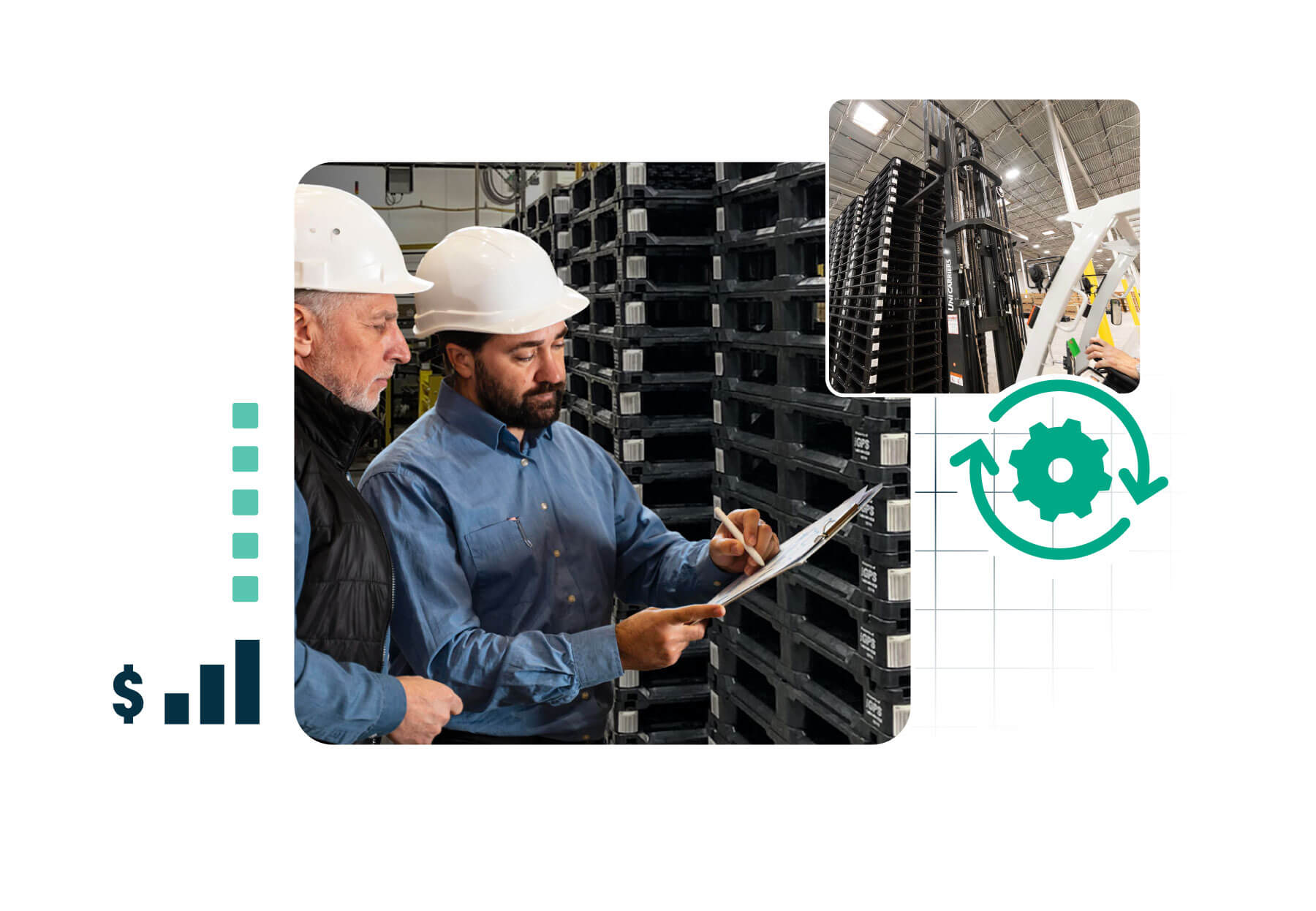
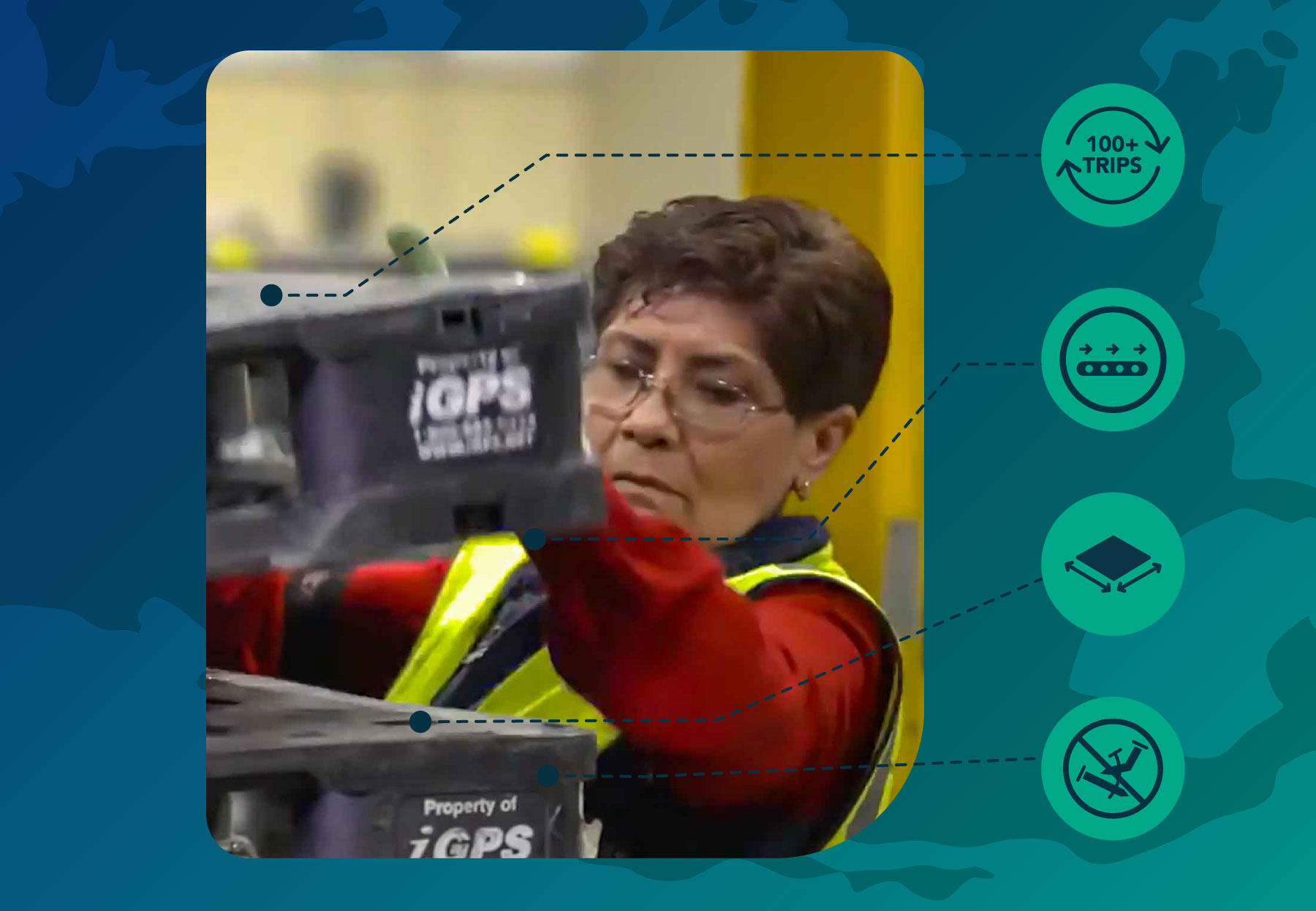
Reusable plastic pallets are designed for many trips through the supply chain. When they’re part of a pallet pooling network, recovery becomes an established process instead of another responsibility for warehouse and procurement teams.
Asset Recovery Extends the Value of Plastic Pallets
Every trip a reusable pallet completes delays the need for another pallet.
Instead of treating each shipment as the end of the pallet’s job, recovery keeps the same pallet in circulation until it can no longer be safely used.
That approach helps companies:
- Get more use from every pallet
- Reduce purchasing activity
- Maintain a more consistent pallet supply
- Reduce material waste over time
The more trips a pallet completes, the more value it delivers before recycling becomes necessary.
Pallet Pooling Removes Recovery Work from Daily Operations
Without a pooling provider, companies are often responsible for:
- Coordinating pallet returns
- Inspecting returned pallets
- Deciding whether pallets should be repaired or replaced
- Managing recycling
- Purchasing additional pallets when inventory runs low
A pallet pooling provider handles those activities as part of the service.
Instead of managing hundreds or thousands of individual recovery decisions, customers receive pallets that have already been:
- Retrieved from the network
- Inspected
- Cleaned
- Repaired when needed
- Redistributed for the next shipment
That removes an entire layer of operational work, allowing warehouse teams to stay focused on receiving, production, and shipping.
Recycling Preserves Material Value at End of Life
Eventually, every reusable pallet reaches the point where it can no longer be safely repaired or reused.
At that stage, recycling recovers the material so it can be used to manufacture future products instead of becoming waste.
For a pooled plastic pallet, recycling isn’t the goal—it’s the final step after years of repeated use. The longer a reusable pallet stays in service, the less time warehouse teams spend replacing it.
Conclusion
Reverse logistics isn’t just about bringing pallets, containers, and other reusable shipping equipment back. It’s about deciding what happens next.
Every returned pallet, container, or tote has to be inspected, repaired, reused, or recycled. The faster those decisions are made, the sooner usable equipment is available for the next shipment. Delays increase labor, storage requirements, purchasing activity, and the amount of inventory needed to keep operations running.
That’s why effective reverse logistics strategies focus on extending the useful life of reusable equipment whenever it makes operational and financial sense. Recycling remains an important part of the process, but it delivers the greatest value after equipment reaches the end of its service life.
For organizations using reusable equipment at scale, recovery and recycling work together. Recovery helps extend useful life, while recycling recovers material after that life has ended. Building both into a reverse logistics strategy helps reduce costs, improve pallet availability, and support a more efficient supply chain.
In the end, the most valuable pallet isn’t necessarily a new one. It’s the one that’s still doing its job.
FAQs
What is the difference between asset recovery and reverse logistics?
Reverse logistics is the process of moving products and reusable assets back through the supply chain. Asset recovery is one objective of reverse logistics, focusing on returning pallets, containers, equipment, and other reusable assets to service instead of replacing or recycling them.
When should a company recover an asset instead of recycle it?
A company should recover an asset whenever it can be safely and economically returned to service. Recycling becomes the better option only after the asset reaches the end of its useful life and can no longer be repaired or reused.
How does asset recovery reduce supply chain costs?
Asset recovery helps reduce replacement purchases, procurement activity, transportation, labor, and storage costs by extending the useful life of reusable assets. It also improves asset utilization, allowing companies to support operations with fewer total assets.
What types of assets can be recovered in a supply chain?
Many reusable assets can be recovered, including pallets, totes, containers, dunnage, racks, reusable packaging, carts, and material handling equipment. The goal is to return these assets to service whenever practical.
How does pallet pooling support asset recovery?
Pallet pooling providers manage pallet retrieval, inspection, cleaning, repair, redistribution, and end-of-life recycling as part of the service. This reduces the time and resources companies spend managing pallet recovery internally.
Why is recycling considered the final step in asset recovery?
Recycling recovers the raw material after an asset can no longer be safely returned to service. Recovering and reusing an asset first typically delivers more operational and financial value by extending its useful life and delaying replacement purchases.
What is the role of reverse logistics in asset recovery?
Reverse logistics provides the process for returning reusable assets so they can be inspected, recovered, repaired, redistributed, or recycled. Without an effective reverse logistics strategy, recovering assets consistently and cost-effectively becomes much more difficult.
How does asset recovery relate to the circular economy?
Asset recovery supports a circular economy by keeping reusable assets in service for as long as practical before recycling them. Extending the useful life of pallets, containers, and other reusable equipment reduces replacement purchases, minimizes waste, and helps recover more value from existing assets.
Managing pallets shouldn’t require your team to recover, repair, inspect, and recycle them on their own. The iGPS pallet pooling network helps simplify reverse logistics by handling pallet retrieval, inspection, cleaning, repair, redistribution, and end-of-life recycling as part of a closed-loop system.
If you’re looking to reduce pallet management costs, improve pallet availability, and build a more efficient reverse logistics strategy, contact an iGPS specialist today. Call 1-800-884-0225, email switch@igps.net, or contact us to learn more.