Key Takeaways
- Slip sheets can be used either as a pallet replacement or alongside pallets for product protection and stability.
- Slip sheets reduce material usage, shipment weight, and storage requirements but often require specialized push-pull equipment.
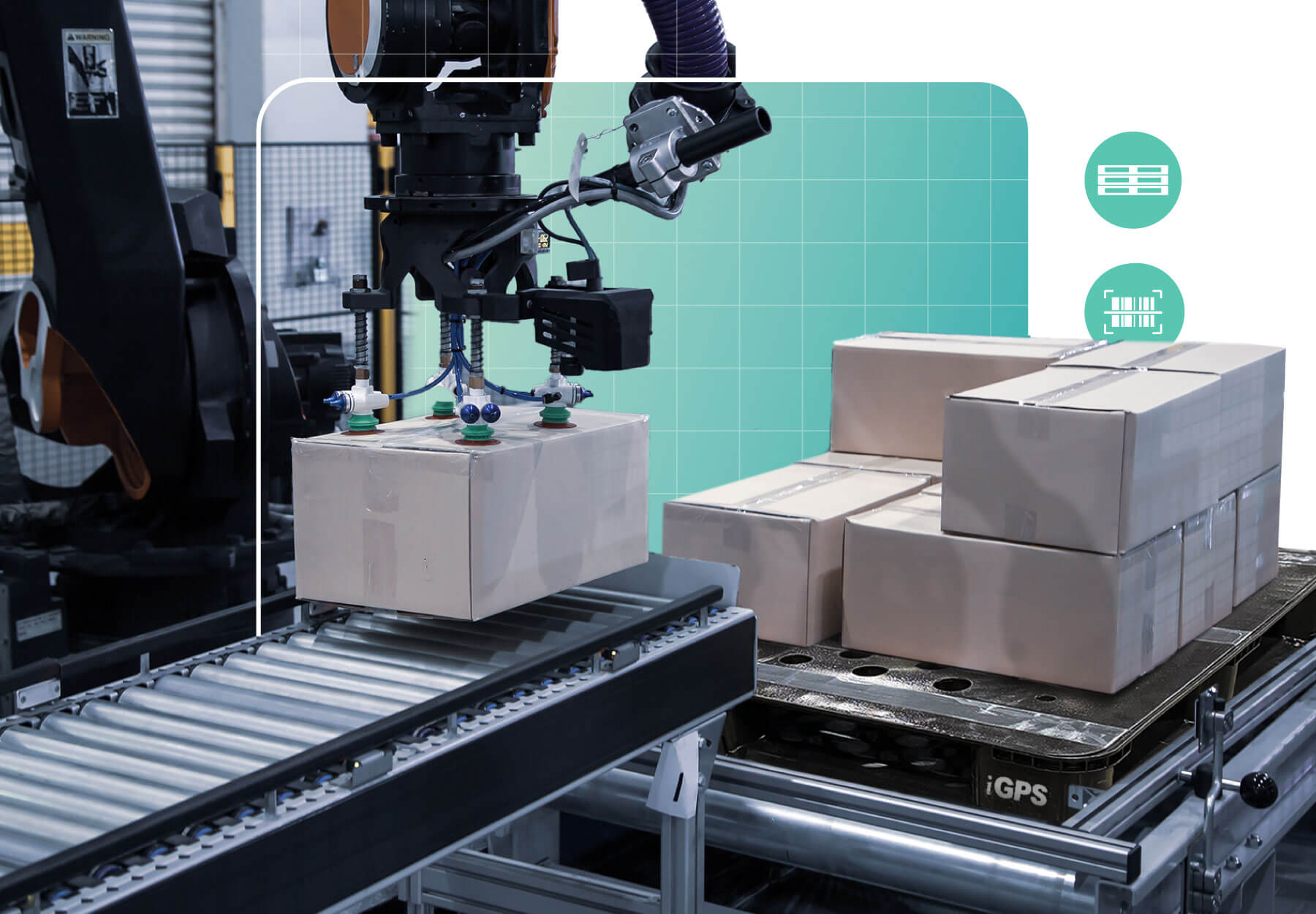
- Most grocery distribution networks are designed around palletized freight because pallets are broadly compatible with warehouse equipment, retailers, and automated systems.
- Plastic pallets provide consistent dimensions, smooth surfaces, moisture resistance, and RFID-enabled traceability that support modern grocery operations.
- Pooled plastic pallets help manufacturers reduce pallet management responsibilities while improving consistency across facilities.
Slip sheets and pallets both support products during transportation and warehousing, but they serve different purposes. The choice can affect equipment requirements, transportation efficiency, automation compatibility, product protection, and overall operational flexibility.
In grocery distribution, slip sheets may be used instead of pallets or alongside pallets to improve product separation and stability. Understanding the differences can help manufacturers, distributors, and retailers determine which approach best fits their operation.
Slip Sheets and Their Use in Logistics
A slip sheet (sometimes written as a slipsheet) is a thin sheet made from paperboard, corrugated fiberboard, or plastic that supports products during shipping and storage. A slip sheet load is typically secured with stretch wrap or shrink wrap before transportation.
When used as a pallet replacement, products are stacked directly on the slip sheet rather than on a pallet. Forklifts equipped with push-pull attachments grab the sheet and pull the palletized product onto a metal platen for movement.
Slip Sheets as Pallet Replacements vs. Pallet Accessories
Many discussions about slip sheets focus on using slip sheets instead of traditional pallets. In these applications, eliminating the pallet can reduce material usage and free up warehouse space while allowing more product to fit within a trailer or shipping container.
In grocery distribution, slip sheets are also commonly used with pallets. Manufacturers may place corrugated or plastic sheets between the pallet and product or between layers of cases to improve freight stability, create product separation, or provide a protective barrier.
The operational impact is very different in each scenario. A slip sheet used as a pallet replacement changes how a load is handled throughout the supply chain. A slip sheet used with a pallet is typically intended to improve product protection or safety.
Main Differences Between Slip Sheets and Pallets
While both slip sheets and pallets are used to move products through the distribution process, they differ significantly in transport requirements, warehouse space needs, and compatibility across distribution networks.
| Factor | Slip Sheets | Pallets |
|---|---|---|
| Load Support | Thin paperboard or plastic sheet | Rigid wood or plastic platform |
| Weight | Very lightweight | Heavier but more durable |
| Material Cost | Lower upfront cost | Higher upfront cost |
| Storage Space | Minimal footprint | Requires dedicated space |
| Equipment Needed | Push-pull attachments mounted to a forklift or lift truck | Standard forklifts and pallet jacks |
| Automation Compatibility | Limited in many systems | Widely compatible |
| Reusability | Varies by material and movement | Designed for repeated use |
| Retailer Acceptance | May vary by facility | Widely accepted |
| Multi-Facility Handling | Can require freight transfers | Easily moved across facilities |
Material & Weight
Slip Sheets
- Lightweight paperboard or plastic
- Minimal footprint when stored
Pallets
- Wood or plastic construction
- Provide rigid support for products during transport
Cost
Slip Sheets
- Lower upfront material cost
Pallets
- Higher upfront investment
- Greater compatibility across distribution networks
Storage & Transport
Slip Sheets
- Require very little warehouse space
- Reduce shipment weight
Pallets
- Require more floor space
- Easier to move through most facilities
Equipment Needed
Slip Sheets
- Typically require push-pull attachments
Pallets
- Compatible with standard warehouse equipment
Durability & Reusability
Slip Sheets
- Reusability varies by material and application
Pallets
- Designed for repeated use
- Plastic pallets maintain consistent dimensions over time
Advantages of Slip Sheets in Grocery Distribution
Slip sheets can be effective when reducing material costs, shipment weight, and warehouse footprint is a priority.
Potential Benefits
| Advantage | Operational Impact |
|---|---|
| Lower material usage | Eliminates the need for traditional pallets when using slip sheets instead |
| Smaller footprint | Thousands of slipsheets can be stored in minimal warehouse space |
| Reduced shipment weight | May help lower transportation costs in some shipping applications |
| Better container utilization | More product can fit within a shipping container when pallets are eliminated |
| Product separation & protection | Can be used between pallet layers or cases to improve stability and reduce contamination concerns |
Common Applications
- High-volume logistics operations
- Export and international shipping
- Facilities equipped with push-pull attachments
- Product layer separation and stabilization
- Slip sheets used with pallets for product protection
Disadvantages of Slip Sheets
The effectiveness of slip sheets depends largely on equipment availability and facility compatibility.
Common Challenges
| Challenge | Operational Impact |
|---|---|
| Specialized equipment | Push-pull attachments and compatible lift trucks are typically required |
| Limited compatibility | Not every facility can process a slip sheet load |
| Additional loading and unloading | Products may need to be transferred to pallets at downstream facilities |
| Retailer requirements | Some receiving operations are designed around traditional pallets |
| Automation limitations | Many automated material handling systems are designed for pallets |
Operational Considerations
- Equipment capabilities at every facility
- Number of handoffs across the distribution network
- Retailer receiving requirements
- Product stability during transportation
- Automation and material handling system compatibility
- Whether downstream facilities can process slip sheet loads
For many grocery manufacturers, the decision comes down to balancing material savings against operational flexibility across the distribution network.
Plastic Pallets vs Wooden Pallets in Grocery Distribution
Both wood and plastic pallets are widely used throughout grocery supply chains, but they offer different advantages depending on operational requirements.
For grocery manufacturers, the decision often comes down to consistency, hygiene, automation compatibility, and total transport costs across the distribution network.
| Factor | Plastic Pallets | Wood Pallets |
|---|---|---|
| Consistency | Uniform dimensions and weight | Can vary based on age, repairs, and condition |
| Hygiene | Non-porous and resistant to moisture | May absorb moisture and contaminants |
| Debris | No nails, splinters, or loose boards | Can shed debris or develop damaged components |
| Automation Compatibility | Consistent dimensions support automated systems | Variability may create exceptions in some automated environments |
| Weight | Lighter than comparable wood pallets | Often heavier |
| Durability | Long service life and resistant to moisture | May require repair or replacement over time |
| Traceability | Can include RFID and serialized identifiers | Typically requires separate tracking methods |
| Sustainability | Recyclable and designed for repeated use | Reusable and recyclable, depending on condition and recovery programs |
Compared with traditional wooden pallets, plastic pallets provide consistent dimensions, resist moisture-related contamination, and support operational efficiency across manual and automated logistics operations.
Why Many Grocery Operations Choose Plastic Pallets
Plastic pallets offer several characteristics that align well with modern grocery distribution requirements:
- Consistent dimensions that support automation and high-volume throughput
- Smooth surfaces that do not splinter, shed debris, or contain exposed nails
- Resistance to moisture, liquids, and refrigerated environments
- Reduced risk of pallet-related product damage
- Lighter weight that can help reduce transportation costs
- Compatibility with RFID-enabled tracking and visibility programs
- Long service life within pallet pooling networks
Many grocery manufacturers focus on pallet cost.
The bigger operational question is how consistently products move through the distribution network. Variability in product movement, pallet quality, and equipment compatibility can create delays, extra labor, and unnecessary rework.
This is one reason many grocery companies use pooled plastic pallets rather than managing pallet fleets internally.
How Pooling Supports Grocery Distribution
Industry analysts increasingly view pallet pooling as a technology-enabled logistics solution that supports visibility, standardization, and more efficient asset management across distribution networks.
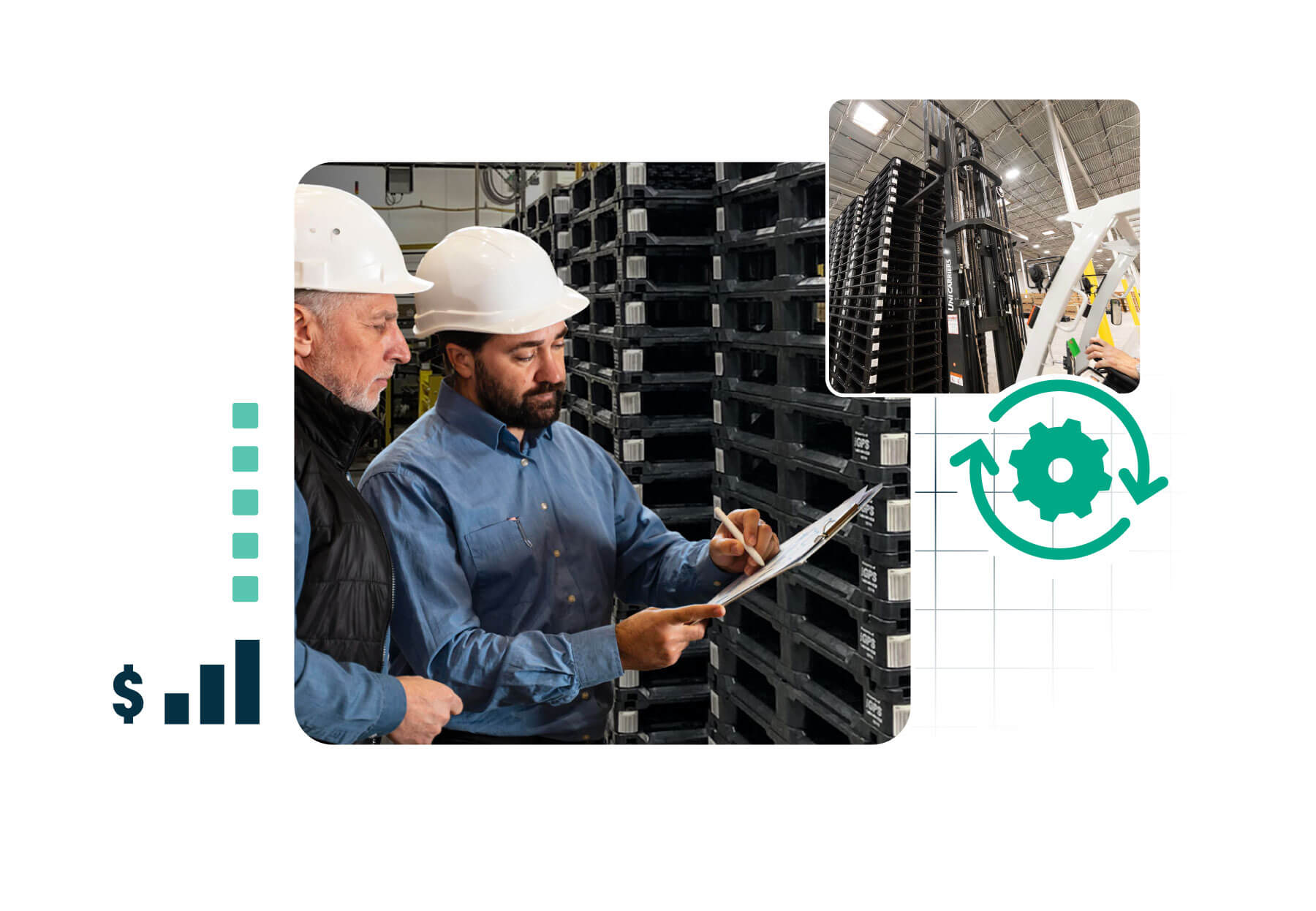
A pooling provider manages the pallet lifecycle and helps maintain consistent pallet quality across the network. At the end of their service life, plastic pallets can be recycled into new products rather than sent to a landfill.
Benefits include:
- Consistent pallet quality across facilities
- Standardized dimensions that support automation
- No pallet purchasing, repair, or replacement programs
- Less warehouse space for empty pallet inventory
- Retrieval, inspection, and recycling managed by the provider
- RFID and serialized IDs that support visibility and traceability
- Easier movement between manufacturing plants, distribution centers, and retailers
- Supports reuse, recycling, and waste reduction through managed pallet recovery programs
The Operational Impact
Labor availability remains a challenge across many distribution networks. According to a 2024 Descartes survey, 76% of supply chain leaders report workforce shortages across warehousing, transportation, and manufacturing. As a result, many organizations continue investing in automation, standardization, and operational efficiency initiatives.
For grocery manufacturers operating on tight margins, small inefficiencies add up quickly.
Pooling can help reduce:
- Pallet-related handling issues
- Manual pallet management
- Storage and recovery requirements
- Variability between facilities
As products move through multiple facilities before reaching store shelves, consistency often becomes more valuable than the pallet itself. The goal is to keep product moving efficiently while controlling labor, transportation, and warehouse operations costs.
Advantages of Pallets in Grocery Distribution
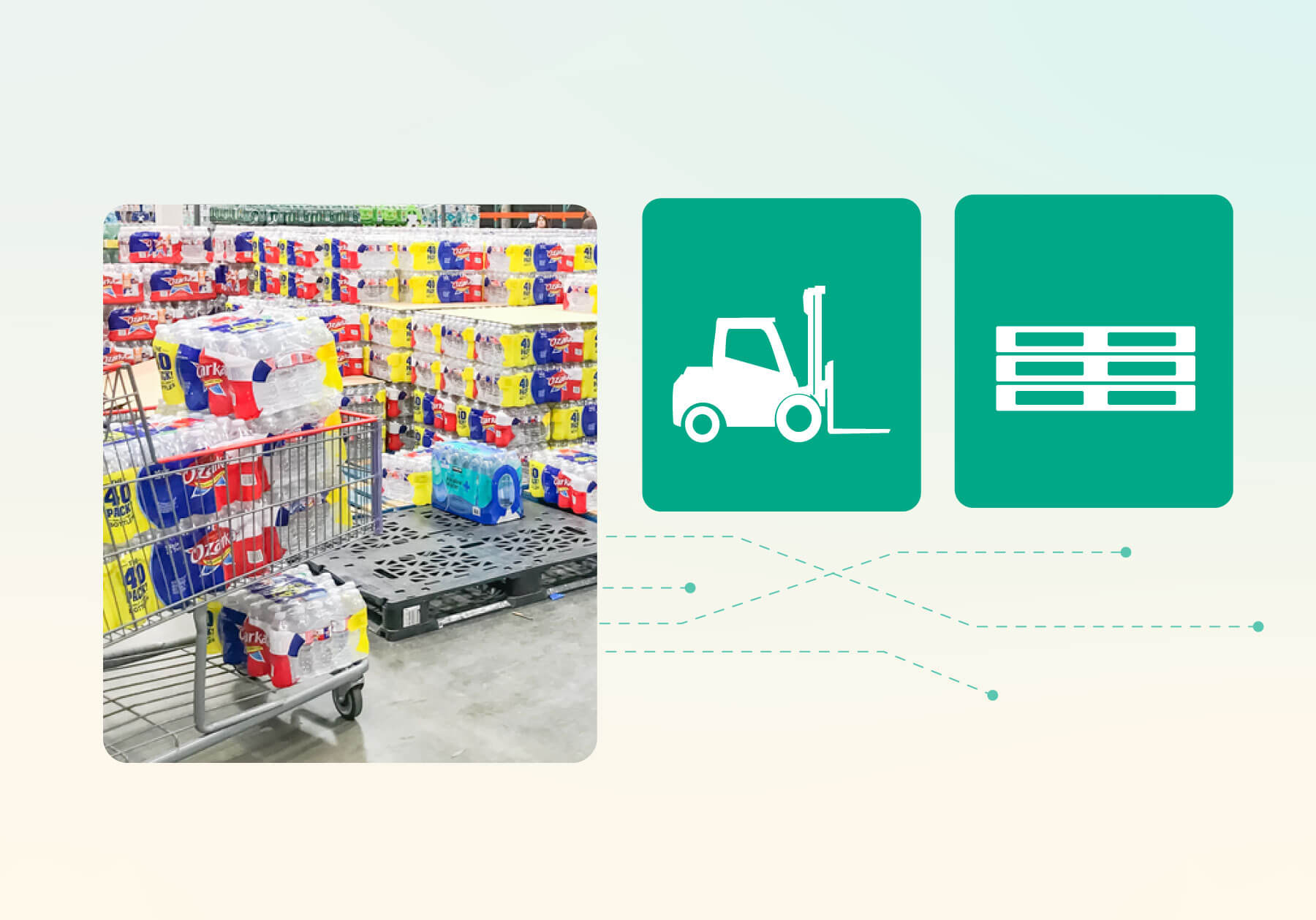
Most grocery distribution networks are designed around palletized freight because pallets move easily between manufacturers, distribution centers, transportation providers, and retailers.
Why Many Grocery Supply Chains Continue to Rely on Pallets
| Benefit | Why It Matters |
|---|---|
| Equipment Compatibility | Works with standard forklifts, pallet jacks, conveyors, and warehouse systems |
| Multi-Facility Consistency | Simplifies movement between manufacturers, DCs, and retailers |
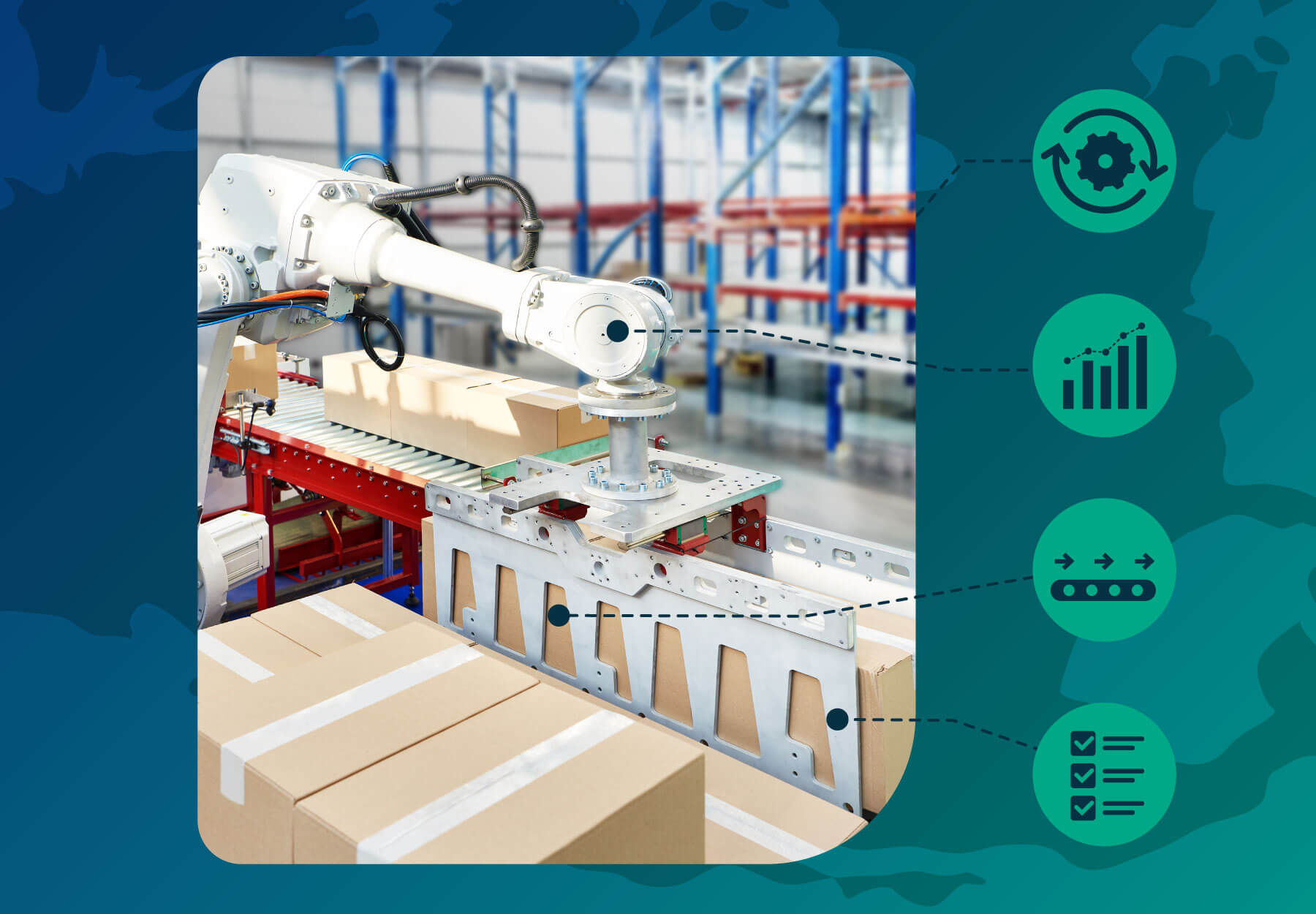
| Automation Support | Compatible with AS/RS, conveyors, robotics, and sortation systems |
| Product Protection | Provides a stable platform during transportation and storage |
| Retailer Acceptance | Aligns with common grocery receiving requirements |
| Visibility | Supports barcode and RFID-enabled tracking programs |
For many grocery manufacturers, the decision is less about the cost of the shipment platform itself and more about maintaining consistent product flow from production through retail delivery. The more facilities a shipment passes through, the more valuable consistency can become.
Disadvantages of Pallets
Pallets require more facility capacity than slip sheets and typically involve a higher upfront cost when purchased outright.
Wood pallets may require inspection, repair, replacement, or disposal as they age.
Organizations that own pallet fleets must also manage retrieval, empty pallet inventory, and maintenance activities.
Many companies address these challenges through pallet pooling programs, which provide access to shared pallets while shifting retrieval, repair, cleaning, and recycling responsibilities to the pool operator.
Conclusion
Slip sheets can be an effective solution when reducing material usage, shipment weight, and warehouse footprint is the primary objective. They can also play an important role in grocery distribution when used with pallets to improve product separation and protection.
For many grocery manufacturers, however, the decision extends beyond the cost of the load platform itself. Visibility continues to be a growing priority across retail and food supply chains as manufacturers and retailers seek greater insight into product movement and inventory flows. Products often move through multiple facilities, transportation providers, and retail distribution networks before reaching store shelves. In these environments, consistency, equipment compatibility, automation readiness, and product protection can have a greater impact on operational performance than material savings alone.
This is one reason many manufacturers continue to rely on plastic pallet pooling programs. Consistent pallet quality, standardized dimensions, RFID-enabled visibility, and outsourced pallet management help simplify product movement across complex distribution networks while supporting efficiency at every stage of the process.
FAQs
What is the purpose of a slip sheet on a pallet?
A slip sheet placed on a pallet can help improve load stability, create separation between products and the pallet surface, and provide additional product protection during storage and transportation.
Can a normal forklift use slip sheets?
A standard forklift can handle palletized shipments that include slip sheets. However, shipments supported only by slip sheets typically require a push-pull attachment designed specifically for slip sheet processing.
Are slip sheets better than pallets?
Neither option is universally better. Slip sheets can reduce material usage and floor space requirements in certain applications. Pallets provide broader equipment compatibility, greater transport flexibility, and easier movement through most grocery distribution networks. The best choice depends on the operational requirements of the logistics environment.
Are slip sheets used with pallets or instead of pallets?
Both. Some operations use slip sheets as a replacement for pallets, requiring push-pull forklift attachments for transport. In grocery distribution, slip sheets are also commonly used with pallets to separate product layers, improve stability, or provide a protective barrier between products and the pallet surface.
When do slip sheets make the most sense in grocery distribution?
Slip sheets are often used in high-volume shipping environments, export operations, and facilities equipped with push-pull forklifts. They are also commonly used with pallets to separate product layers or provide additional product protection.
How can pallet pooling support private label grocery brands?
Private label products often move through multiple manufacturing, distribution, and retail facilities before reaching store shelves. Pallet pooling helps provide consistent pallet quality across those locations while reducing the need to purchase, recover, store, repair, and manage pallet inventory internally.
Companies evaluating slip sheets, wood pallets, and plastic pallets are often trying to solve a larger challenge: improving efficiency across transportation, warehousing, and retail distribution. Pooled plastic pallets provide consistent quality, automation compatibility, RFID-enabled visibility, and simplified pallet management throughout the network. To learn more about how iGPS supports grocery manufacturers and private label brands, call 1-800-884-0225, email switch@igps.net, or visit our contact page.