Most supply chain disruptions don’t begin with a major failure. They begin with small interruptions that force someone to stop what they were doing. A forklift waits, a trailer sits at the dock, inventory can’t be found, or paperwork doesn’t match the load. Individually, these moments seem insignificant. Across hundreds of orders, they reduce productivity, increase costs, and make operations harder to predict. Organizations that identify and reduce these interruptions early spend less time recovering from problems and more time keeping products moving.
Key Takeaways
- Small interruptions become expensive when they happen repeatedly.
- The earlier an exception is found, the easier—and less costly—it is to correct.
- Most exception costs come from recovery efforts, not the original issue.
- Reducing operational variability creates more predictable warehouse and transportation performance.
- Consistent pallet management and pallet pooling help reduce one source of preventable supply chain exceptions.
What Are Supply Chain Exceptions
A supply chain exception is any unexpected event that prevents products, information, or transportation activities from moving through the supply chain as planned. These events can occur during procurement, manufacturing, warehousing, transportation, or final delivery and typically require someone to investigate, make a decision, or take corrective action before work can continue.
Most people think of supply chain exceptions as major disruptions, such as severe weather or supplier shutdowns. In reality, many begin as much smaller operational issues that quietly interrupt the normal flow of work.
A forklift driver waits because the correct pallet isn’t available. A trailer remains at the dock while freight is restacked. Someone leaves a picking route to search for inventory that should already be staged. A shipment can’t leave because shipping paperwork doesn’t match the load. Each situation may seem minor on its own, but every interruption consumes time, labor, and resources that weren’t part of the original plan.
What qualifies as an exception often depends on where someone works within the supply chain.
| Perspective | What a Supply Chain Exception Looks Like |
|---|---|
| Warehouse Operations | Inventory can’t be located, equipment stops, or a load can’t be completed on schedule. |
| Transportation | A truck arrives late, misses its appointment, or waits because freight isn’t ready. |
| Procurement | Materials arrive late, quantities don’t match the purchase order, or supplier deliveries affect production plans. |
| Distribution | Products are damaged, shipping documents are incorrect, or a retailer rejects the shipment. |
| Supply Chain Management | Any event that disrupts the planned movement of goods, information, or resources across the network. |
Although the causes differ, the result is often the same: normal workflow stops while teams solve an unexpected problem. The longer it takes to restore normal operations, the more likely the exception is to affect labor, transportation, inventory, customer service, and overall supply chain performance.
What Counts As A Supply Chain Exception
Not every operational problem becomes a supply chain exception. An issue becomes an exception when it interrupts planned work and requires someone to step in before products can continue moving.
The same issue can have very different consequences depending on where it occurs and when it’s discovered. A damaged pallet identified while building a load may take only a few minutes to replace. Discovering that same problem after a trailer reaches a retailer can require rescheduling transportation, restacking freight, and assigning additional labor to resolve the issue.
The table below highlights common exception categories, their immediate impact, and how quickly they can grow if left unresolved.
| Exception Category | Common Examples | Immediate Impact | Operational Impact Over Time |
|---|---|---|---|
| Material | Missing inventory, damaged pallets | Picking or loading pauses | Low → High |
| Transportation | Late carrier, missed dock appointment | Dock schedule changes | Medium → High |
| Information | Incorrect paperwork, barcode errors | Manual verification | Low → High |
| Equipment | Conveyor fault, forklift breakdown | Processing slows | Medium → High |
| Supplier | Late delivery, incorrect quantities | Production or fulfillment adjusts | Medium → High |
| Customer / Compliance | Retailer rejection, labeling error | Shipment delayed or refused | High |
The strongest operations don’t eliminate every exception. They identify problems while they’re still small enough to correct quickly. Catching an issue before an outbound order leaves the dock usually requires far less time, labor, and coordination than recovering after it reaches a customer.
Main Effects of Supply Chain Exceptions
The cost of a supply chain exception isn’t usually the original event. It’s the work required to recover from it. As more people become involved, a problem that began in one area can quickly affect transportation, inventory, labor, customer service, and overall productivity.
Operational Delays
The first effect of an exception is usually lost momentum. Instead of following the planned workflow, employees stop to investigate, correct, or reroute work before it can continue.
You may see:
- Forklifts waiting for inventory or replacement pallets
- Trailers remaining at the dock longer than scheduled
- Picking or loading falling behind schedule
- Automated systems pausing until an issue is resolved
- Outbound shipments leaving later than planned
One interruption often creates another. A shipment delayed in receiving can affect staging, loading, transportation, and customer delivery later the same day.
Financial Costs
Many exception-related costs never appear on a purchase order. They accumulate through additional labor, transportation changes, and reduced productivity.
Costs often include:
- Overtime and unplanned labor
- Expedited freight
- Detention or demurrage charges
- Product rework or restacking
- Lower equipment utilization
While a single event may have little financial impact, recurring exceptions can quietly increase operating costs across the network.
Customer and Market Damage
Customers rarely see the operational problem itself. They experience the results when products arrive late, incomplete, or outside expected requirements.
The impact may include:
- Missed delivery windows
- Incomplete or incorrect shipments
- Retailer deductions or rejected loads
- Lower customer confidence
- Lost future business opportunities
Consistent execution helps strengthen customer relationships long before problems become visible outside the warehouse.
Resource Strain
Exceptions change how people spend their time. Instead of completing routine work, employees shift their attention to resolving unexpected issues.
Teams may need to:
- Adjust warehouse priorities
- Revise transportation schedules
- Verify inventory and documentation
- Coordinate with suppliers or customers
- Delay improvement projects to resolve immediate issues
Over time, frequent interruptions reduce an organization’s ability to improve processes because experienced employees spend more time reacting than planning.
Benefits of Effective Supply Chain Exception Management
The goal of exception management isn’t to eliminate every operational problem. Every supply chain will encounter disruptions. The objective is to identify problems early, resolve them efficiently, and reduce the number of preventable issues that interrupt day-to-day operations.
As fewer exceptions require manual intervention, organizations spend less time recovering from unexpected problems and more time executing the work that keeps products moving.
Organizations are increasingly investing in technologies that support this approach. According to the 2025 MHI Annual Industry Report, 55% of supply chain leaders are increasing their investment in supply chain technology and innovation, reflecting a growing emphasis on improving visibility, identifying operational issues earlier, and creating more consistent operations.
Benefits often include:
- More predictable warehouse operations with fewer workflow interruptions
- Earlier issue detection before problems spread to transportation or customers
- Better labor utilization by reducing unplanned rework and investigation
- More reliable transportation schedules with fewer last-minute changes
- Improved inventory accuracy through faster identification of discrepancies
- Stronger customer performance through more consistent deliveries and order accuracy
Over time, effective exception management shifts teams from reacting to problems toward improving the processes that prevent them from happening again.
Best Practices for Managing Supply Chain Exceptions
While some disruptions are unavoidable, many day-to-day exceptions can be prevented. The most effective operations focus on identifying issues early, reducing operational variability, and building processes that keep operations moving.
| Best Practice | Why It Matters |
|---|---|
| Identify issues early | Limits downstream disruption |
| Build consistent processes | Reduces preventable exceptions |
| Maintain accurate inventory and data | Avoids manual verification and rework |
| Use technology to surface issues | Speeds response and decision-making |
| Review recurring exceptions | Eliminates root causes over time |
| Standardize shipping platforms | Supports more reliable product flow |
In practice:
- Finding an inventory discrepancy before picking begins is much easier than discovering it after a trailer has been loaded.
- The same shipping paperwork error that takes minutes to correct at the dock can delay a delivery if it’s discovered after departure.
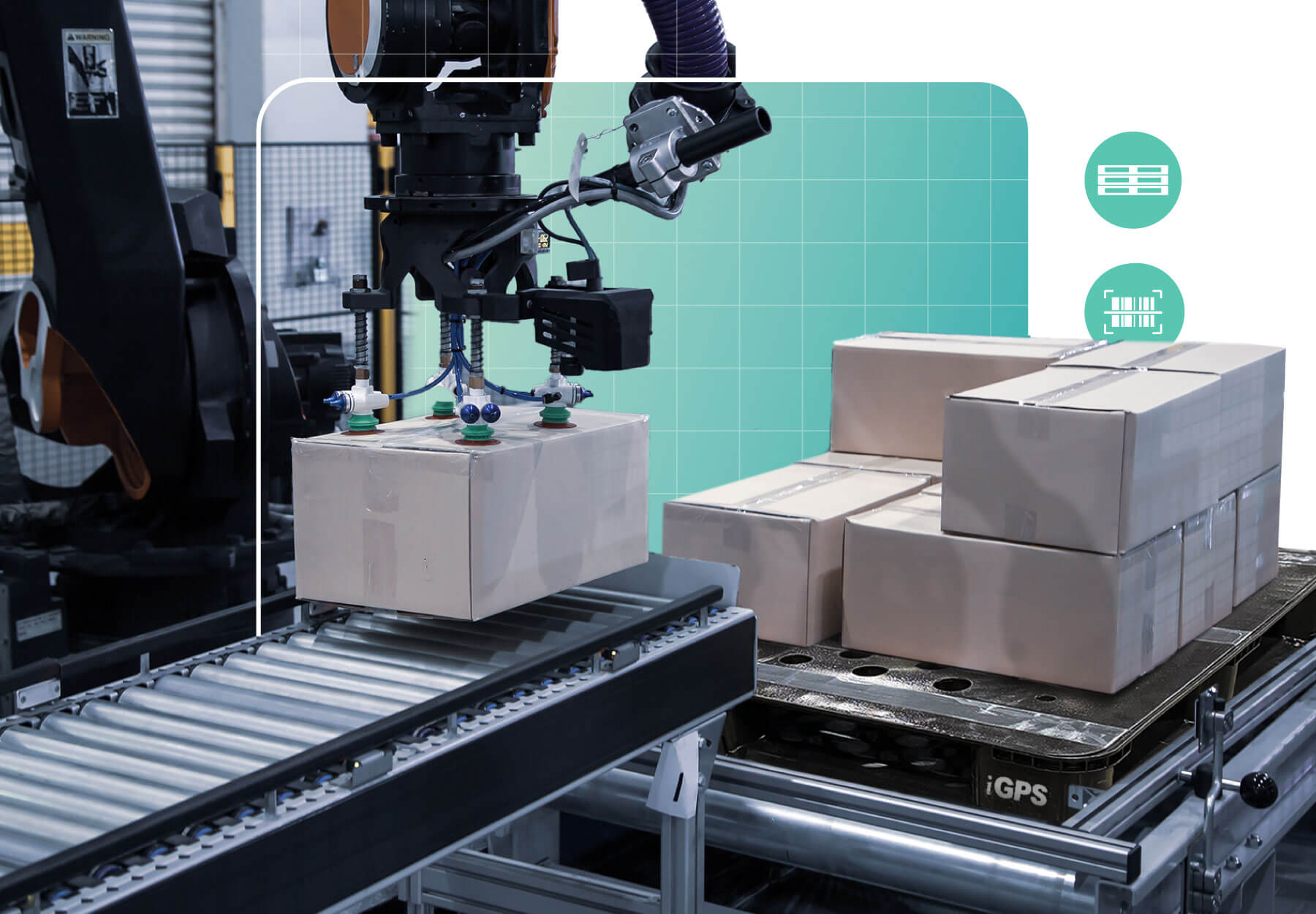
- Standardized plastic pallets and pallet pooling reduce one source of operational variability by providing consistent shipping platforms throughout the network. Embedded RFID tags also support pallet visibility at defined scan points, making pallet movements easier to verify.
How Pallet Management Helps Reduce Supply Chain Exceptions
Pallets move through nearly every stage of the supply chain, from manufacturing and distribution to transportation and retail receiving. Because they’re involved in nearly every shipment, even small pallet-related issues can interrupt product flow and create additional work for warehouse and transportation teams.
As Jonathan Parks, Director of National Accounts at iGPS Logistics, wrote in Food Logistics, “Automation is the great amplifier. It magnifies every inconsistency that smaller production and warehouse operations can quietly navigate around.” As facilities automate, inconsistencies that employees once worked around manually are more likely to interrupt product flow, making consistency across equipment and shipping platforms increasingly important.
For example, a damaged pallet may require a load to be restacked before it can ship. An inconsistent pallet can interrupt automated material handling equipment. A shortage of available pallets may delay loading until replacements are found. If a shipment arrives on the wrong pallet type, a retailer may refuse the load or require corrective action before accepting it.
These situations may seem isolated, but they all have the same effect: employees stop planned work to solve an unexpected problem.
A well-managed pallet program helps reduce one source of operational variability by supporting:
- Consistent pallet quality and dimensions
- Reliable pallet availability across facilities
- Fewer interruptions during loading and receiving
- Better compatibility with warehouse automation
- Improved pallet visibility through RFID identification at defined scan points
- Less time spent purchasing, storing, repairing, and recovering pallets
Pallet pooling supports these goals by providing standardized pallets through a managed network. Instead of maintaining their own pallet inventory, companies receive durable pallets where they’re needed while the pooling provider manages retrieval, inspection, repair, and recycling. This allows warehouse teams to spend less time managing pallets and more time keeping products moving through the supply chain.
Conclusion
Every supply chain will encounter disruptions. The organizations that perform most consistently aren’t the ones that simply respond to exceptions faster—they’re the ones that reduce the number of avoidable interruptions in the first place.
From our experience supporting supply chains across North America, the biggest improvements often come from reducing operational variability. Accurate inventory, consistent processes, reliable data, and well-managed pallet programs all help keep freight moving while reducing the time teams spend investigating problems, reworking loads, or adjusting schedules.
The goal of supply chain exception management isn’t just to solve today’s issue. It’s to build an operation where fewer exceptions occur tomorrow. That creates a more predictable supply chain, strengthens customer performance, and allows people to focus on improving the operation instead of recovering from preventable interruptions.
FAQs
How Do Supply Chain Exceptions Impact Delivery Timelines?
Supply chain exceptions can delay deliveries by interrupting planned warehouse or transportation activities. An inventory discrepancy, damaged pallet, incorrect shipping document, or missed carrier appointment may require additional handling before an order can continue. While some issues are resolved quickly, others create scheduling changes that affect downstream deliveries, customer commitments, and overall supply chain performance.
What Are Common Causes Of Supply Chain Exceptions In Logistics?
Common causes of supply chain exceptions include inventory discrepancies, supplier delays, equipment failures, transportation disruptions, inaccurate shipping documentation, damaged products or pallets, and retailer compliance issues. Many exceptions result from small operational inconsistencies that require employees to stop planned work, investigate the issue, and make corrections before products can continue moving through the supply chain.
What Is The Difference Between An Exception And A Delay In Logistics?
An exception is an interruption that disrupts a planned process, while a delay is one possible result of that event. For example, incorrect shipping paperwork is an exception. If correcting the paperwork causes a truck to miss its scheduled departure, the missed departure is the delay. Not every exception leads to a significant delay, especially when it’s identified and resolved early.
How Can Companies Reduce Supply Chain Exceptions?
While not every supply chain exception can be prevented, many day-to-day disruptions can be reduced through consistent processes, accurate inventory, reliable data, and early issue detection. Standardizing equipment and shipping platforms, using technology to identify issues sooner, and reviewing recurring exceptions for root causes all help reduce operational variability. The fewer unexpected interruptions teams encounter, the more time they spend moving products instead of solving preventable problems.
How Does Pallet Pooling Help Reduce Supply Chain Exceptions?
Pallet pooling helps reduce one source of operational variability by providing standardized pallets through a managed network. Consistent pallet quality and availability help support warehouse operations, automation, and retailer compliance while eliminating many of the storage, repair, retrieval, and purchasing activities associated with pallet ownership.
Why Is Early Exception Detection Important?
The earlier an issue is identified, the fewer people and processes it affects. Correcting an inventory discrepancy during picking is much simpler than discovering it after a trailer departs or a retailer rejects the load. Early detection reduces rework, labor, transportation changes, and customer disruption.
The strongest supply chains are built to prevent avoidable interruptions before they affect the rest of the operation. iGPS plastic pallet pooling supports that approach by providing standardized HDPE pallets, embedded RFID technology, and a professionally managed pooling network that helps reduce operational variability while eliminating pallet purchasing, recovery, repair, and storage activities. To learn how iGPS can help support more consistent supply chain operations, call 1-800-884-0225, email switch@igps.net, or visit our contact page.