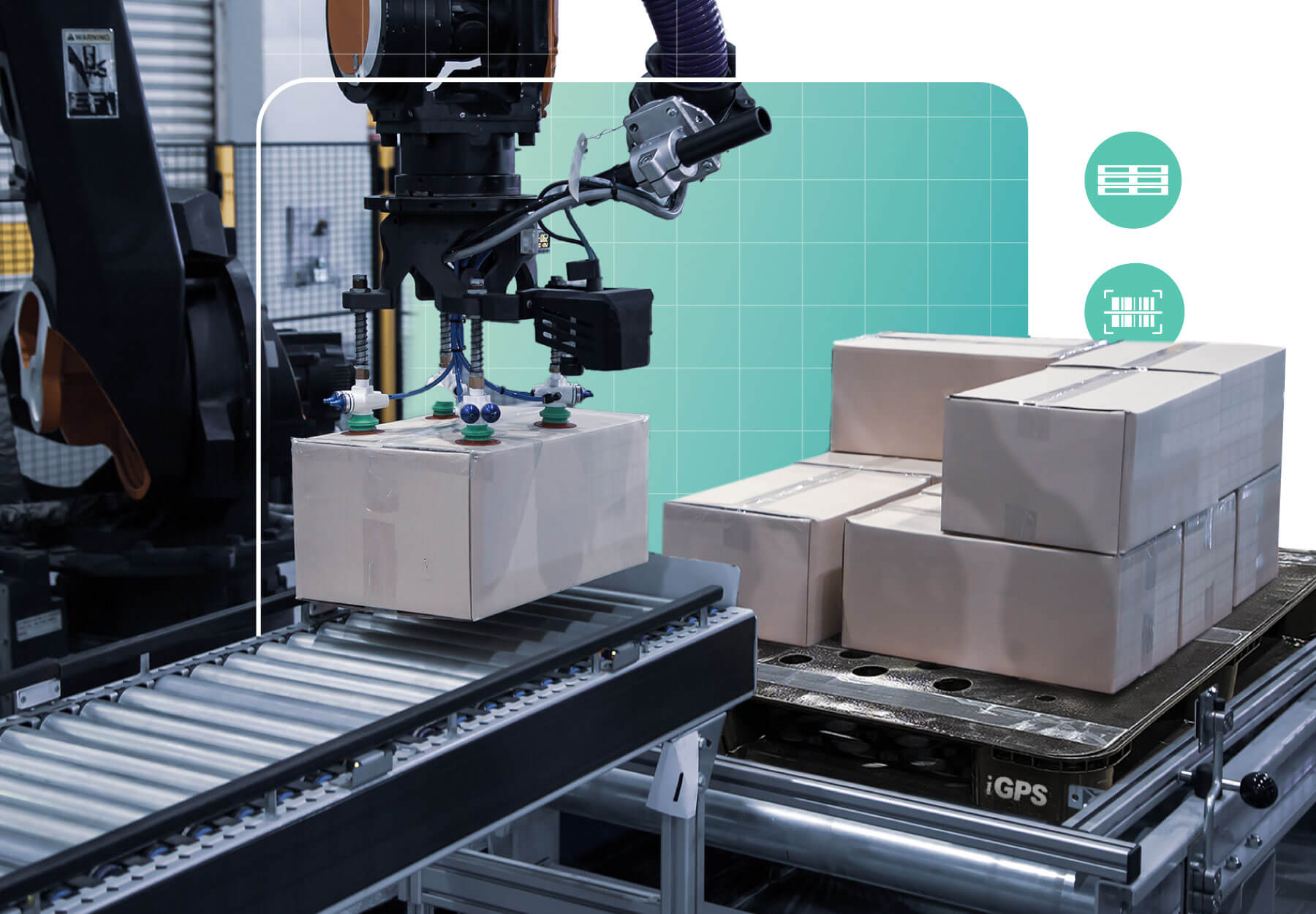
Rising transportation rates, labor expenses, supplier pricing, and tariffs continue to put pressure on supply chain budgets. With margins tightening and cost pressures unlikely to disappear, finding ways to reduce supply chain costs has become an ongoing operational priority.
The challenge is knowing where to focus. Some expenses are unavoidable, while others are built into daily processes and rarely questioned. A few extra minutes handling a load, unused trailer space, or repeated equipment delays may seem insignificant on their own. Across thousands of shipments, those inefficiencies add up. The opportunity lies in recognizing these costs before they become accepted as part of doing business.
Key Takeaways
- Reduce transportation costs by consolidating shipments, improving delivery routes, and limiting empty miles.
- Lower inventory carrying costs through better demand forecasting, stock analysis, and replenishment planning.
- Cut procurement costs by consolidating purchases, reviewing supplier agreements, and identifying unnecessary expenses.
- Improve warehouse efficiency by reducing handling time, equipment interruptions, and labor-intensive processes.
- Reduce pallet-related costs by evaluating material performance, management expenses, and pooling options.
What Are Supply Chain Costs?
Supply chain costs include the expenses of purchasing, storing, handling, and transporting goods. Beyond materials and shipping, these include labor, equipment, inventory, warehouse space, and daily operating expenses.
What Affects Supply Chain Costs?
External factors such as tariffs, fuel prices, supplier pricing, and changing demand can increase supply chain costs. Internal factors, including excess inventory, poor load utilization, inefficient warehouse processes, and equipment downtime, also contribute to spending.
While companies have limited control over external pressures, they can identify and reduce unnecessary expenses within their own operations.
Cost reduction also requires balancing expenses with operational performance. As a 2025 Forbes analysis of leading supply chains explains, focusing solely on the lowest cost per unit doesn’t necessarily produce better overall supply chain results.
Optimize Transportation and Logistics
Transportation costs are influenced by freight rates, fuel, shipment size, and delivery requirements. Before renegotiating freight rates, look for opportunities to make better use of shipping capacity, reduce unnecessary miles, and improve delivery practices. Consider how these changes affect delivery schedules, inventory availability, and other operating costs to ensure savings in transportation don’t create expenses elsewhere.
| Strategy | Action to Take | Measure Savings |
|---|---|---|
| Consolidate shipments | • Identify partially loaded trucks or orders going to the same region. • Combine shipments into fuller loads where delivery schedules allow. | Freight cost per unit; average trailer utilization |
| Use route optimization | • Review routes for overlapping stops and unnecessary mileage. • Adjust delivery sequences based on traffic, delivery windows, and vehicle capacity. | Transportation cost per delivery; total miles driven |
| Leverage intermodal transport | • Identify long-distance, high-volume shipping lanes. • Compare truck-only freight with rail-and-truck options, including transit and handling costs. | Total transportation cost per shipment |
| Reduce Empty Return Miles | • Coordinate backhauls to reduce empty miles. • Evaluate pallet pooling to reduce the transportation and administrative costs of recovering empty pallets. | Empty-mile percentage; total return transportation costs |
| Address small-order profitability | • Identify frequent, low-volume orders with high delivery costs. • Evaluate order minimums, scheduled delivery days, or combined shipments. | Delivery cost per order; cost per unit shipped |
Right-Size Inventory and Carrying Costs
Excess inventory ties up working capital and increases storage, insurance, and handling expenses. The goal is to reduce unnecessary stock while maintaining enough inventory to meet customer demand.
| Inventory Strategy | What to Review or Adjust | Measure Results |
|---|---|---|
| Apply ABC analysis | • Classify inventory by annual consumption value to identify high-priority items. • Review high-value items more frequently and simplify replenishment for lower-value items. | Inventory turnover; carrying costs by category |
| Improve demand forecasting | • Compare historical sales, current orders, and seasonal demand patterns. • Adjust purchasing quantities and replenishment schedules based on forecast accuracy. | Forecast accuracy; excess inventory; stockout rates |
| Right-size safety stock | • Review stock levels against demand variability and supplier lead times. • Adjust safety stock by SKU rather than applying the same buffer across all products. | Average inventory levels; carrying costs; stockout rates |
| Implement JIT or VMI | • Evaluate smaller, more frequent deliveries through Just-in-Time (JIT) replenishment. • Consider Vendor-Managed Inventory (VMI), where suppliers manage replenishment against agreed stock targets. | Inventory carrying costs; replenishment costs; stockout rates |
Changes to inventory levels should account for supplier reliability, transportation expenses, and customer service requirements. Reducing stock only delivers savings when the costs of replenishment and potential shortages remain under control.
Streamline Procurement
Reducing procurement costs requires looking beyond purchase prices to the full expense of sourcing, ordering, receiving, and managing goods and services.
Consolidate Your Vendor Base
Purchasing similar products or services from multiple suppliers can limit negotiating power and increase administrative costs. For frequently purchased, standardized goods, review purchasing volumes, pricing, and delivery performance to identify opportunities to consolidate orders and negotiate better terms.
Maintain alternative sourcing options for critical materials to avoid unnecessary supply risks.
Apply First Principles Cost Review
Understanding what drives the price of a product or service can reveal savings opportunities that traditional price negotiations may miss.
- Break down costs: Examine materials, labor, transportation, handling, and other charges to identify the largest cost drivers.
- Address unnecessary expenses: Consider changes to product specifications, order quantities, delivery methods, or supplier agreements.
Compare total purchasing costs before and after changes to confirm savings.
Audit Supplier Contracts Annually
Contracted rates don’t always reflect what companies actually pay. Compare supplier agreements against invoices, purchase volumes, and current market pricing to identify outdated rates, billing discrepancies, and unnecessary fees.
Use these findings to renegotiate terms, correct overcharges, and review freight charges, minimum orders, and renewal conditions.
Enhance Warehouse and Operational Efficiency
Unnecessary handling, inefficient workflows, and equipment delays increase warehouse operating costs. Improving these processes can reduce labor expenses, prevent damage, and make better use of existing space and equipment.
Deploy a Warehouse Management System (WMS)
A warehouse management system (WMS) helps coordinate receiving, storage, picking, and shipping while providing data on where time and resources are being spent.
Use this information to identify picking errors, unnecessary travel, and fulfillment delays. Adjusting product locations, picking routes, and task assignments can reduce labor hours per order and improve accuracy.
Use Barcode and RFID Tracking
Barcode and RFID systems can reduce manual work, improve record accuracy, and provide better visibility into inventory and pallet movements.
- Barcode scanning: Verify inventory transactions, reduce manual data entry, and improve accuracy during receiving and shipping.
- RFID tracking: Record pallet movements at designated scan points to support asset visibility, load association, and more efficient pallet management.
Apply Lean Principles to Warehouse Operations
Look for tasks that require workers to handle the same load multiple times or stop equipment to correct recurring problems.
For example, inconsistent pallet dimensions can cause conveyor interruptions that require manual intervention. Improving warehouse layouts, standardizing procedures, and using consistent handling equipment can help reduce these delays and the labor costs associated with them.
Outsource Selectively
Outsourcing warehouse activities can reduce internal labor, equipment, and administrative expenses, particularly for seasonal or resource-intensive operations. Compare the total cost of managing these activities internally with third-party logistics (3PL) services, including service fees, transportation costs, and fulfillment performance.
Leverage Technology and Analytics
Disconnected systems and outdated information can lead to excess inventory, unnecessary spending, and slower decisions. Better access to supply chain data helps companies identify cost-saving opportunities and respond to changing conditions.
Centralize Data with Enterprise Resource Planning (ERP)
Enterprise resource planning (ERP) software connects purchasing, inventory, finance, and other business functions, giving teams a clearer view of costs across the supply chain.
Use ERP data to identify duplicate purchases, spending differences between facilities, and excess inventory. These insights can help teams consolidate orders, control purchasing expenses, and reduce time spent on manual reporting.
Deploy AI-Powered Planning
AI-powered planning tools can analyze historical sales, supplier lead times, and demand patterns to improve forecasting and purchasing decisions.
Recurring stockouts, excess inventory, or costly expedited shipments may indicate that existing forecasting methods need improvement. These tools can help address these issues, but their value should be measured against current performance. Compare forecast accuracy and related expenses before and after implementation to determine whether the savings justify further investment.
Reduce Pallet-Related Supply Chain Costs
Pallet expenses are often evaluated through purchase prices or rental fees, but the cost of keeping pallets available and moving through a supply chain extends well beyond either. Evaluating both pallet performance and management requirements can reveal savings opportunities that aren’t immediately visible in purchasing budgets.
Evaluate Pallet Materials and Performance Across Your Supply Chain
The cost of poor pallet performance often shows up in other operating budgets, making it easy to overlook when evaluating opportunities to reduce supply chain expenses.
- Look beyond pallet price: Consider how weight, damage, debris, and dimensional inconsistencies affect labor, transportation, and equipment performance.
- Compare materials: Plastic pallets offer consistent dimensions, lighter weight, and smooth, non-porous surfaces that can reduce handling delays and equipment interruptions.
The savings can be significant at scale. In a 2026 Pallet Enterprise interview, iGPS executive Harrison Dean reported that some customers saved $2–$4 per pallet load after switching to plastic pallets, accounting for transportation, damage, maintenance, and other operating expenses.
Consider Plastic Pallet Pooling
Managing pallets requires purchasing, storage, maintenance, and recovery, creating expenses across facilities and distribution networks.
- Account for management costs: Include the labor, storage, transportation, and administrative resources needed to keep pallets moving.
- Evaluate pooling: A shared network manages pallet delivery, retrieval, cleaning, and maintenance, reducing internal management requirements.
Compare the total cost per pallet load shipped to evaluate the costs of ownership versus pooling.
Conclusion
The largest expenses on a supply chain budget naturally get the most attention. But reducing costs in one area doesn’t always lower the total cost of an operation. A lower purchase price, for example, may lead to higher handling, maintenance, or transportation expenses elsewhere.
Pallet pooling offers a good example of how these costs are connected. The type of pallet a company uses, and how those pallets are managed, can affect everything from warehouse labor to transportation costs. The same principle applies throughout the supply chain. Before making changes, consider where costs might shift and whether the savings will hold up over time. The goal is to lower overall operating expenses while keeping products moving reliably.
FAQs
What are the 5 biggest supply chain challenges?
Five common challenges that increase supply chain costs include:
- Rising operating costs: Higher transportation, labor, energy, and supplier expenses.
- Demand uncertainty: Inaccurate forecasts that cause excess inventory or stockouts.
- Supplier disruptions: Delays, shortages, and trade conditions that increase costs.
- Warehouse inefficiencies: Unnecessary handling, downtime, and inefficient workflows.
- Limited visibility: Disconnected systems that make it harder to identify and control expenses.
Addressing these challenges starts with identifying controllable costs and prioritizing measurable improvements.
How Can Plastic Pallet Pooling Reduce Supply Chain Costs?
Plastic pallet pooling reduces expenses associated with purchasing, storing, maintaining, and recovering pallets. Companies rent reusable pallets from a shared network, with the pooling provider managing these activities.
Consistent pallet dimensions help reduce equipment jams and handling delays, while lightweight plastic construction can lower transportation expenses.
To evaluate savings, compare the total cost per pallet load shipped, including rental fees, handling, storage, maintenance, and recovery.
What Is the Most Effective Way to Reduce Supply Chain Costs?
Start with recurring expenses that affect the highest volume of shipments, orders, or inventory. Review transportation, procurement, warehousing, and inventory costs to identify where inefficiencies occur most often. Prioritize improvements based on potential savings, implementation costs, and impact on service. Test changes where possible, measure the results, and expand the strategies that reduce overall operating expenses without creating new costs elsewhere.
What Are the Biggest Hidden Costs in Supply Chain Operations?
Hidden supply chain costs often come from repeated handling, damaged shipments, equipment downtime, excess inventory, expedited freight, and inefficient pallet management. These expenses may seem small individually but can add up across thousands of orders and shipments. Reviewing labor hours, freight charges, inventory carrying costs, and equipment performance can help identify where money is being wasted.
How Do You Measure Supply Chain Cost Reduction?
Measure cost reduction by comparing operating expenses before and after implementing changes. Useful key performance indicators (KPIs) include transportation cost per shipment, inventory carrying costs, warehouse labor cost per order, and total cost per pallet load shipped. Track these metrics over time, accounting for changes in shipment volume, to confirm whether improvements are producing measurable savings.
Small improvements in handling efficiency, transportation, and asset management can lead to meaningful savings across a high-volume supply chain. iGPS plastic pallets help reduce equipment interruptions, handling delays, and shipping weight, while our pooling program takes pallet purchasing, maintenance, and recovery off your team’s plate. To learn how iGPS can help reduce recurring supply chain expenses, call 1-800-884-0225, email switch@igps.net, or visit our contact page.