-

How Pallet-Level Tracking Helps Retailers Improve Food Recalls
Key Takeaways Food recalls have been making headlines again, underscoring a persistent challenge for grocery retailers. Identifying a contaminated product is only the first crucial step. The real trick is tracing where that product came from and where it went after it entered the distribution network. This problem has taken on a renewed sense of…
-
How to Prevent Mold on Pallets
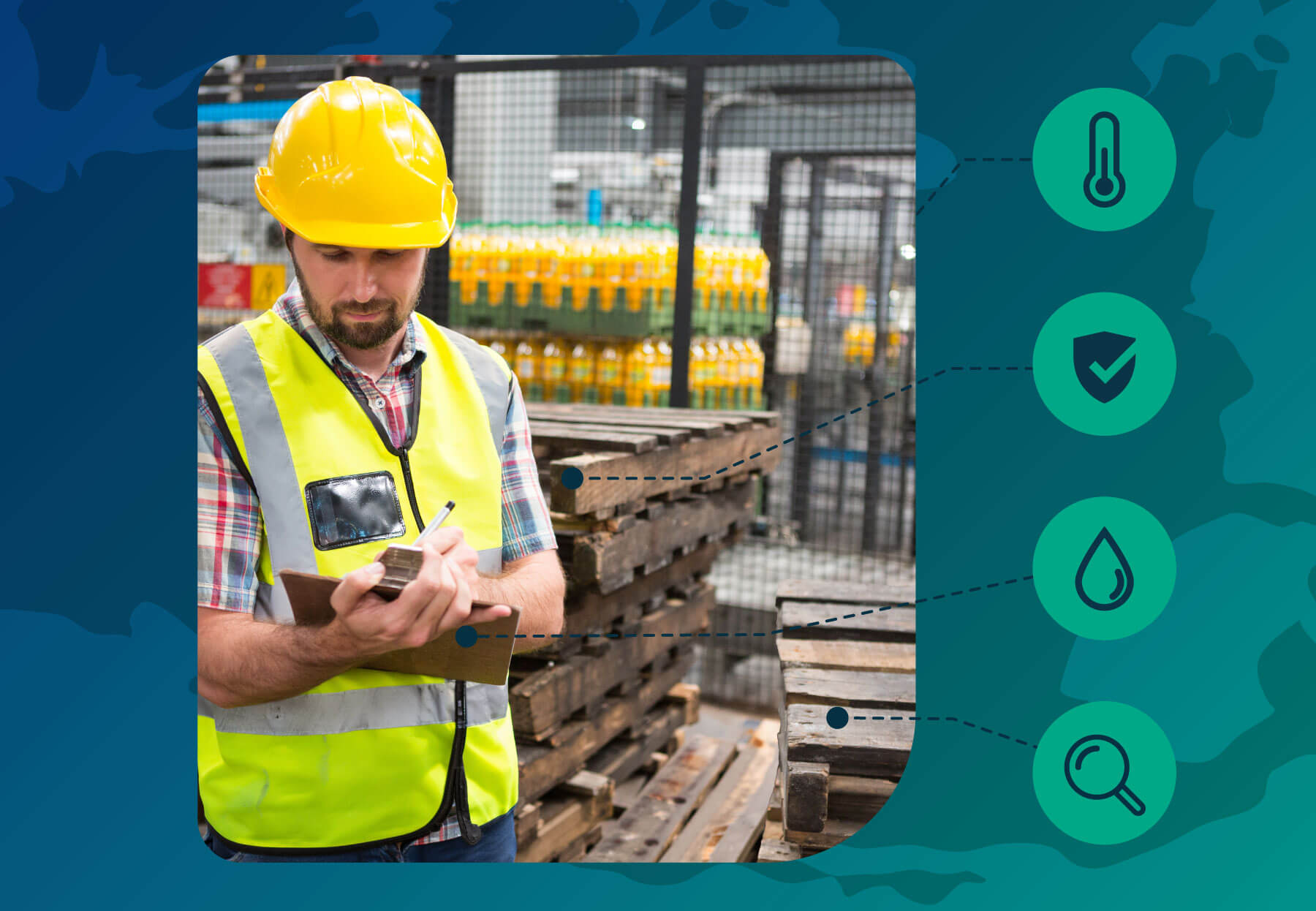
A pallet with visible mold can turn a routine shipment into an exception. The pallet may need to be pulled, the load inspected or rehandled, and quality teams brought in before products can keep moving. In food, pharmaceutical, and other hygiene-sensitive operations, the stakes can be even higher. Preventing those disruptions starts with understanding why…
-
How to Ensure Pallet Load Stability in Logistics
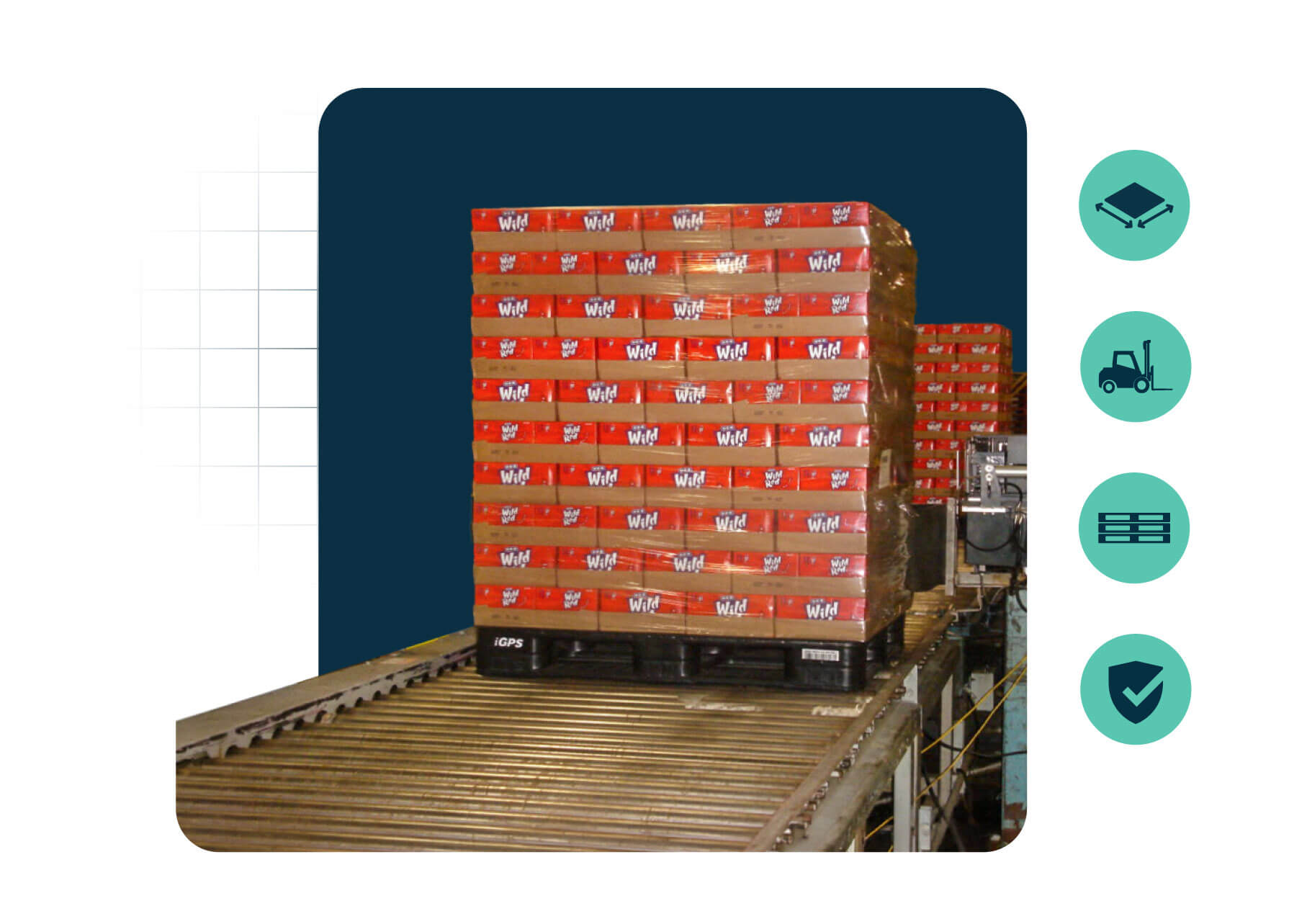
A pallet load can look secure on the warehouse floor and still shift, lean, or collapse once it starts moving. Forklift handling, conveyor transfers, braking, turns, and vibration all put additional forces on the load, increasing the risk of product damage, rejected shipments, and safety issues. For warehouse and logistics teams, improving pallet load stability…
-
Standardization in Procurement: Methods and Best Practices
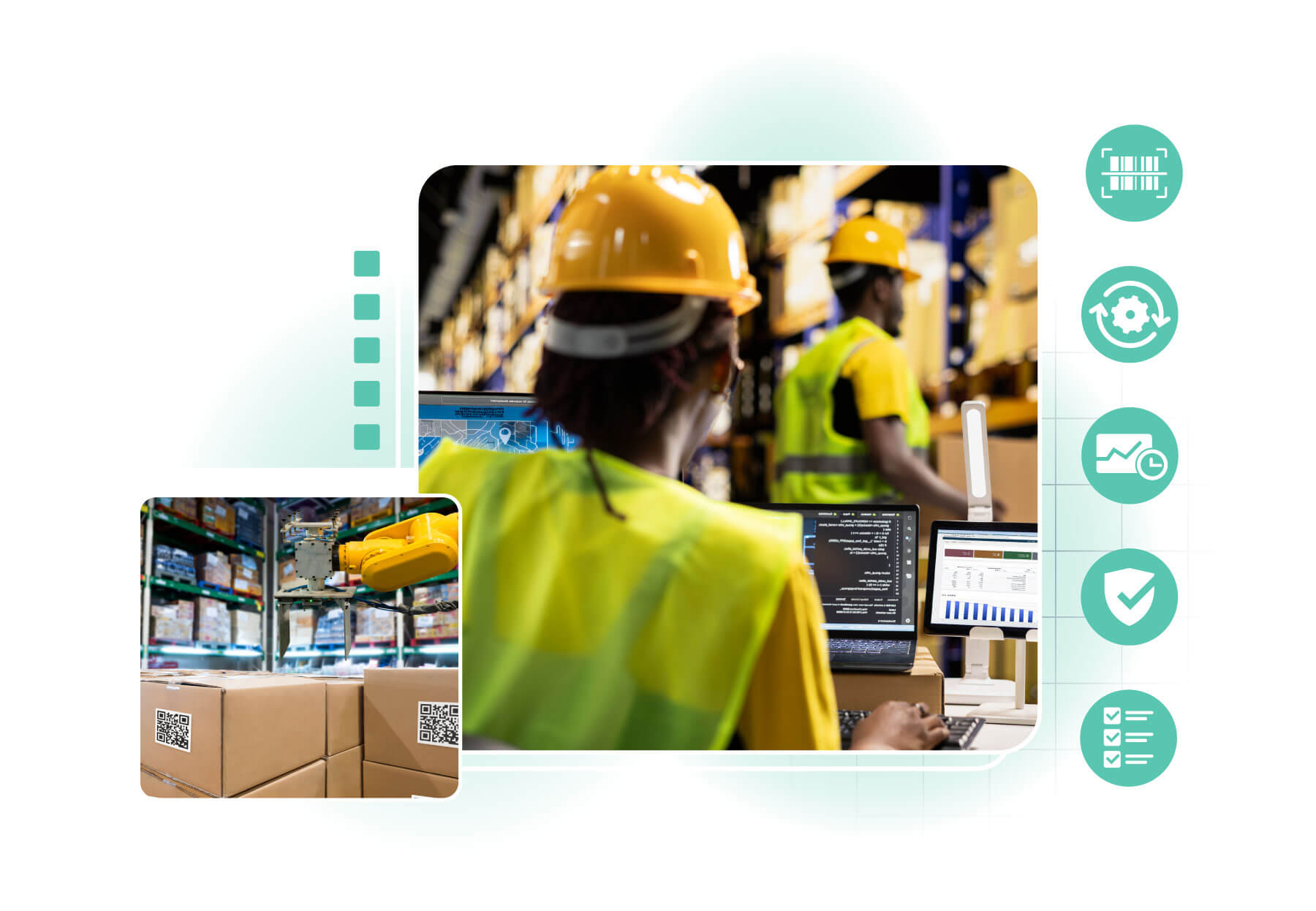
Procurement standardization can have an impact far beyond the purchasing process. Small differences in products, requirements, and procedures may seem minor on a single order, but repeated across facilities and thousands of transactions, they can create added work throughout the operation. Setting clear standards can reduce duplicate products and purchasing processes, consolidate demand across locations,…
-
3 Sustainable Logistics Management Practices
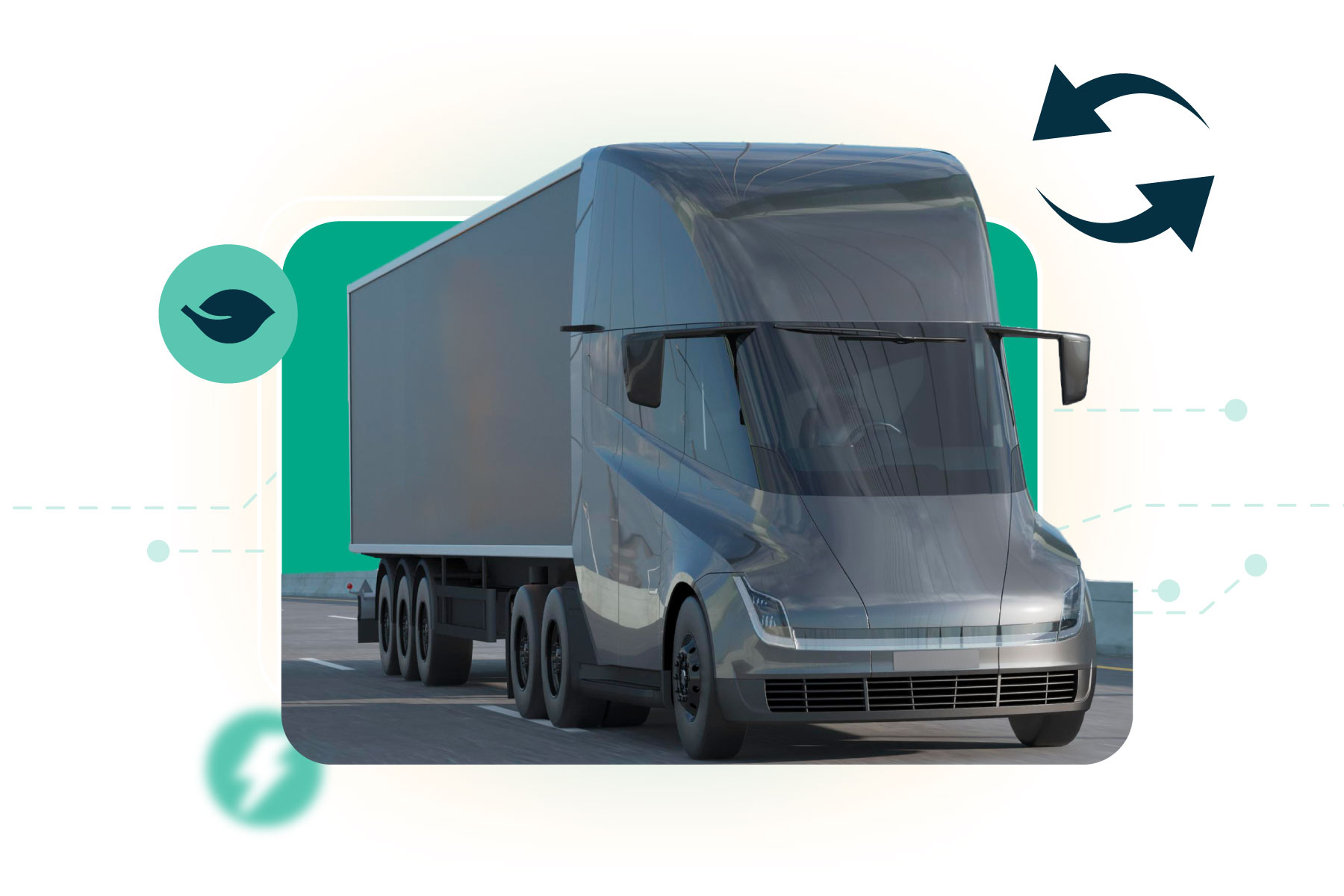
Moving products sustainably requires more than reducing emissions. Every transportation decision, warehouse process, packaging choice, and reusable asset influences how efficiently resources are used. Small operational improvements—such as eliminating empty miles, optimizing inventory, or extending the life of shipping platforms—often deliver measurable environmental and financial benefits at the same time. Organizations that view sustainability as…
-
Supply Chain Exceptions: Management Strategies and Tips
Most supply chain disruptions don’t begin with a major failure. They begin with small interruptions that force someone to stop what they were doing. A forklift waits, a trailer sits at the dock, inventory can’t be found, or paperwork doesn’t match the load. Individually, these moments seem insignificant. Across hundreds of orders, they reduce productivity,…
-
Tips for Supply Chain Outsourcing
Many companies view supply chain outsourcing as a way to reduce costs. In practice, the bigger opportunity is often reducing operational complexity. As distribution networks expand, customer expectations increase, and warehouse operations become more demanding, organizations are taking a closer look at which responsibilities are best managed internally and which are better handled by dedicated partners.…
-

Procurement KPIs: What Metrics to Measure Beyond Purchase Price
The success of a procurement decision isn’t determined when the contract is signed—it’s measured by what happens afterward. Supplier performance, purchasing efficiency, transportation, warehouse operations, and total cost of ownership all reveal whether a sourcing decision provides long term impact. Procurement KPIs help bring those outcomes into focus, helping organizations evaluate purchasing decisions from multiple…
-
What Is the Weight of a Standard Pallet?
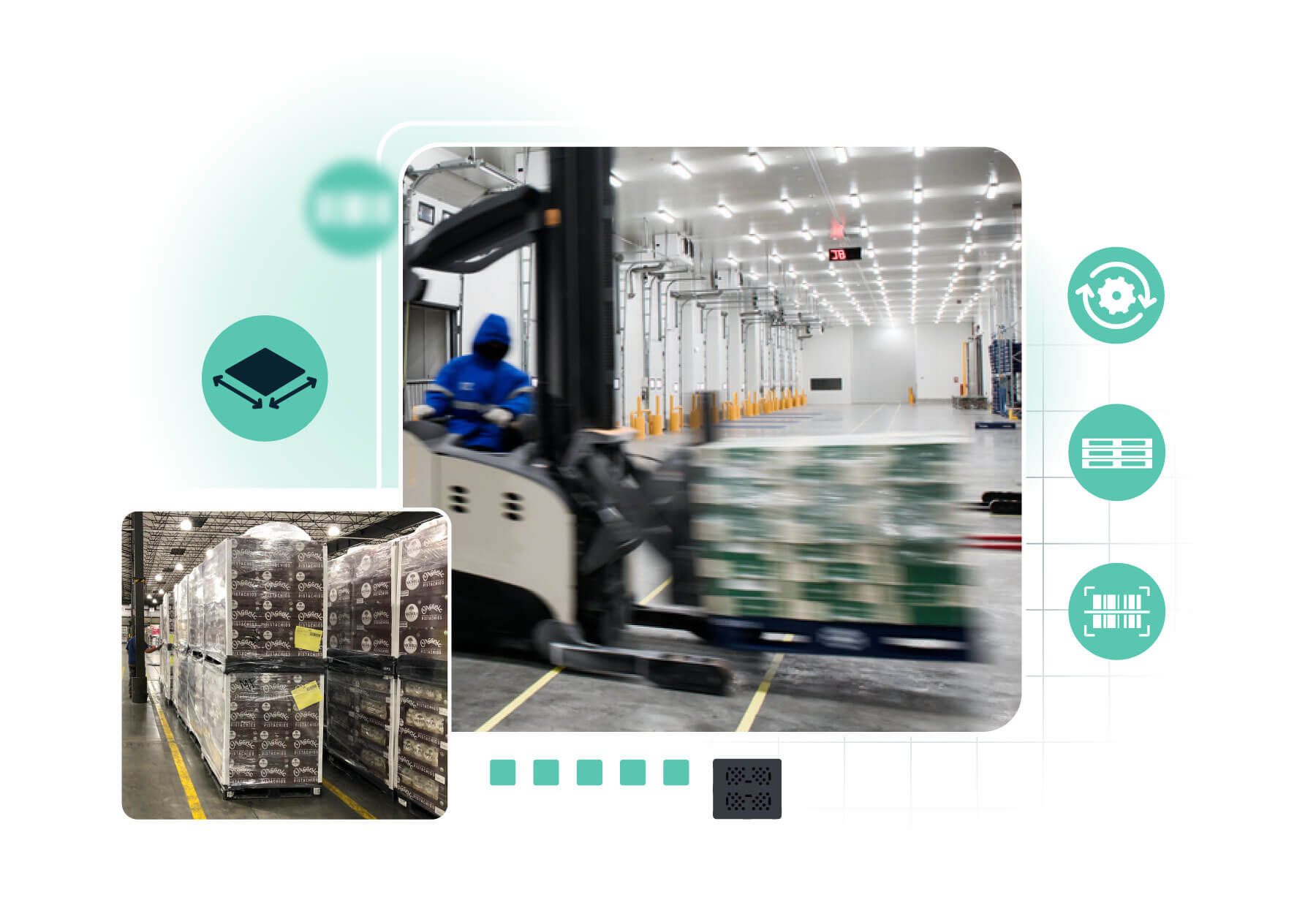
The weight of a pallet influences far more than how much a shipment weighs. It affects trailer capacity, warehouse operations, automation, transportation planning, and ultimately the total cost of moving products through the supply chain. While many organizations focus on finding the average weight of a standard pallet, experienced supply chain teams know that the…
-
Retail Compliance in Logistics
Every retailer has different compliance requirements, but the goal is always the same: create a predictable flow of products through the distribution network. Companies that consistently meet those expectations spend less time fixing problems, reduce unnecessary costs, and build stronger retailer relationships. Those that don’t often discover that the biggest cost isn’t the chargeback—it’s the…
-
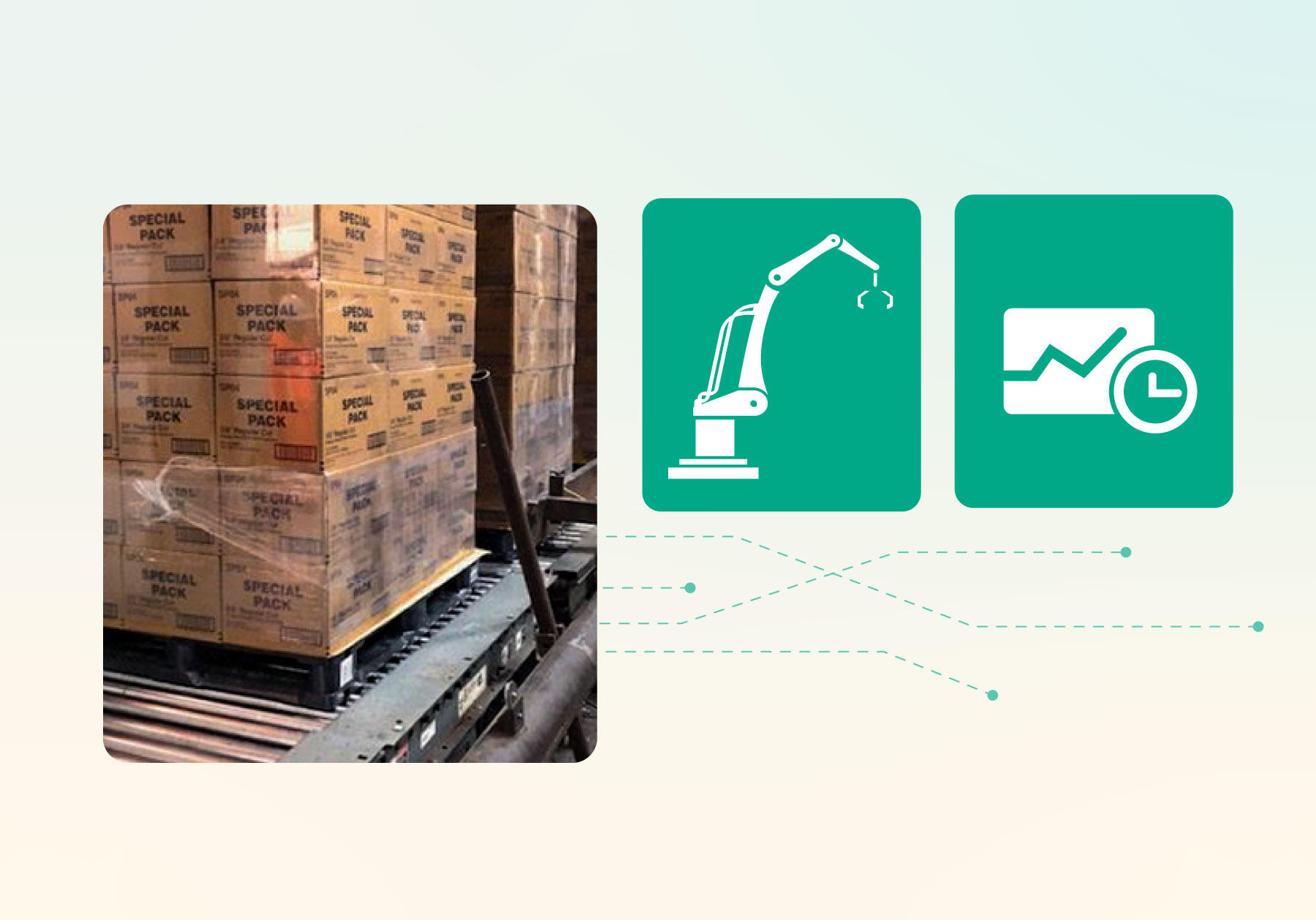
The Benefits of Robotic Palletizing: Why You Should Invest in a Palletizer
Robotic palletizing has become an important investment for manufacturers, food and beverage processors, consumer goods companies, and distribution centers looking to increase production capacity, improve workplace safety, and reduce repetitive manual work. The robot, however, is only one part of a successful automation strategy. Automation performs best when every load enters the system with predictable…
-
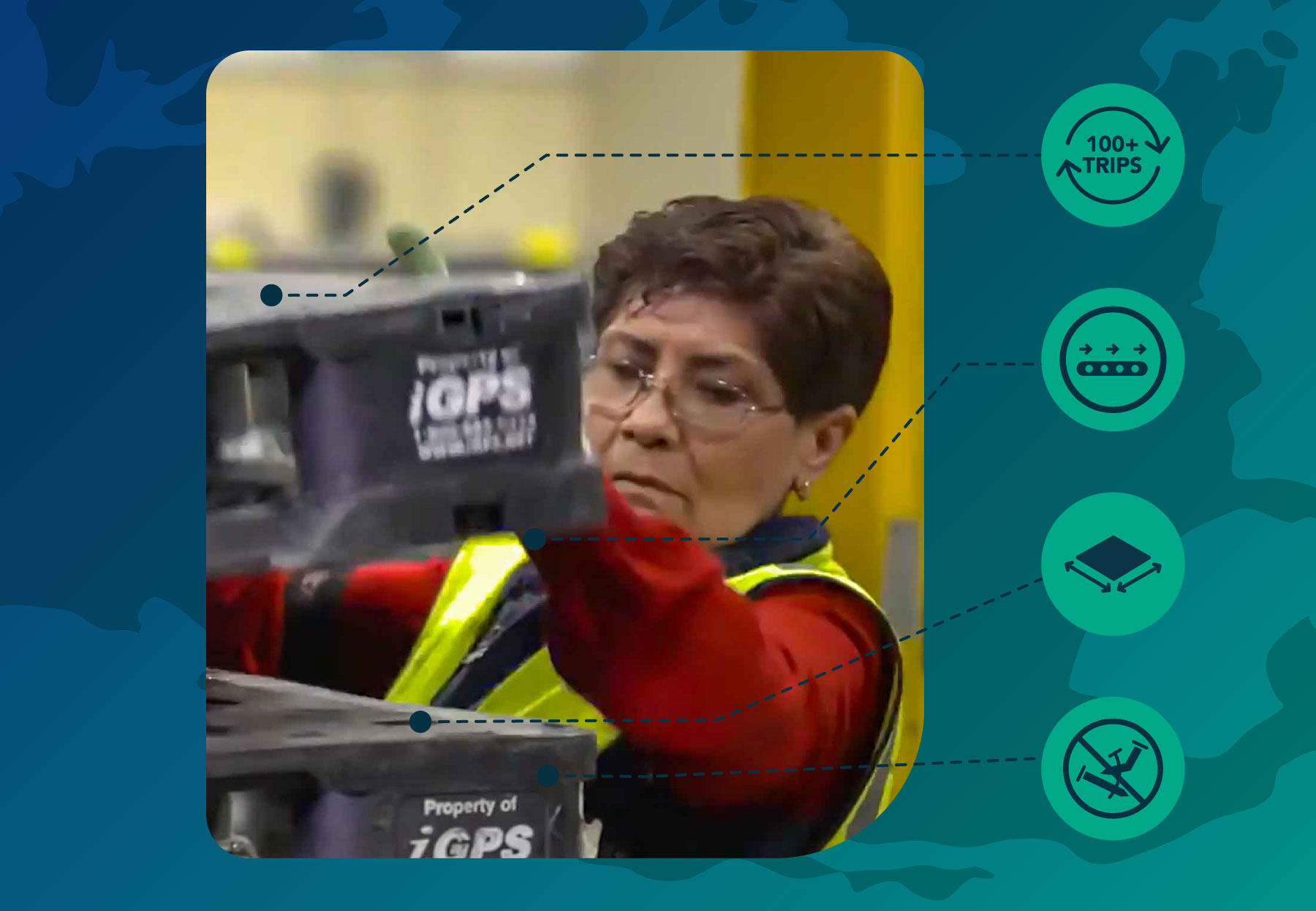
Asset Recovery vs Recycling in Logistics
Every returned pallet, container, or tote creates another operational decision. Should it be recovered, repaired, redistributed, or recycled? The answer affects purchasing costs, pallet availability, operational efficiency, and how effectively reusable materials are managed across the supply chain. Asset recovery and recycling are both essential parts of reverse logistics, but they serve different purposes. Knowing…