-
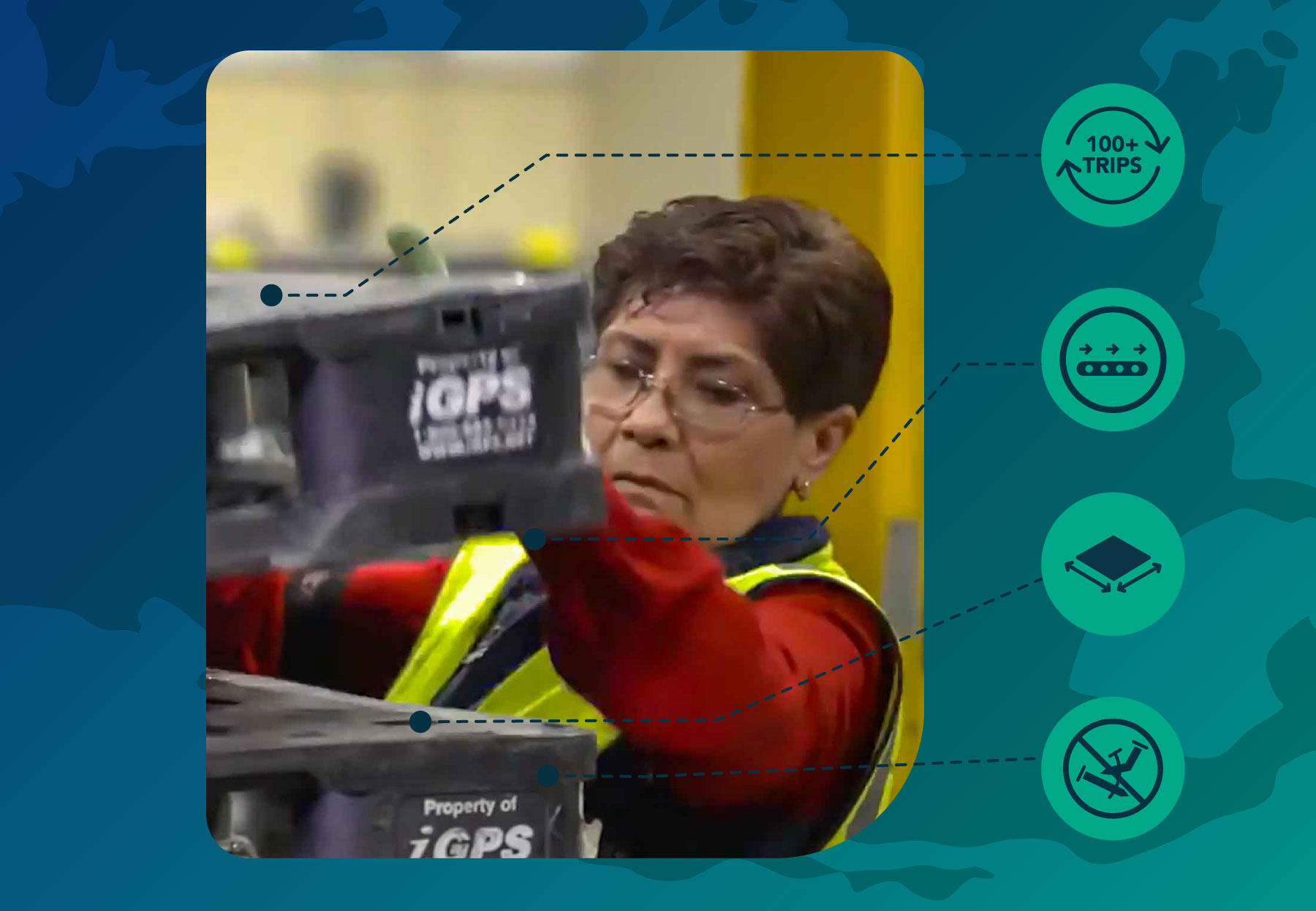
Asset Recovery vs Recycling in Logistics
Every returned pallet, container, or tote creates another operational decision. Should it be recovered, repaired, redistributed, or recycled? The answer affects purchasing costs, pallet availability, operational efficiency, and how effectively reusable materials are managed across the supply chain. Asset recovery and recycling are both essential parts of reverse logistics, but they serve different purposes. Knowing…
-
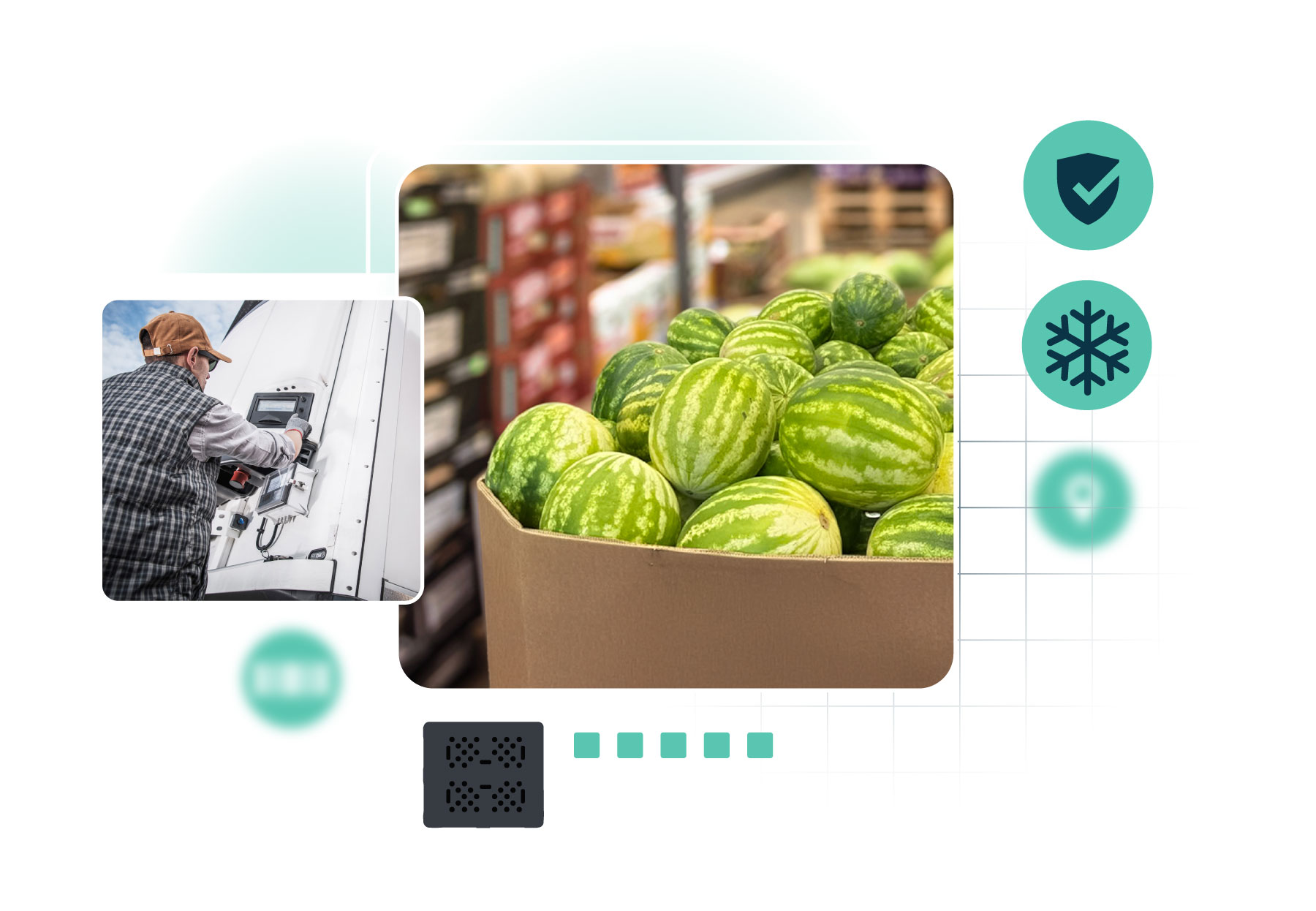
Why Plastic Pallets are Better than Wood Pallets in Watermelon Transportation
Key Takeaways Watermelon transportation places unique demands on grocery distribution networks. According to USDA data on watermelon consumption and availability (USDA ERS: Watermelon Consumption and Availability), Americans consume more watermelon than any other melon, with roughly 14 to 15 pounds available per person each year, making it one of the most widely available fresh fruits…
-
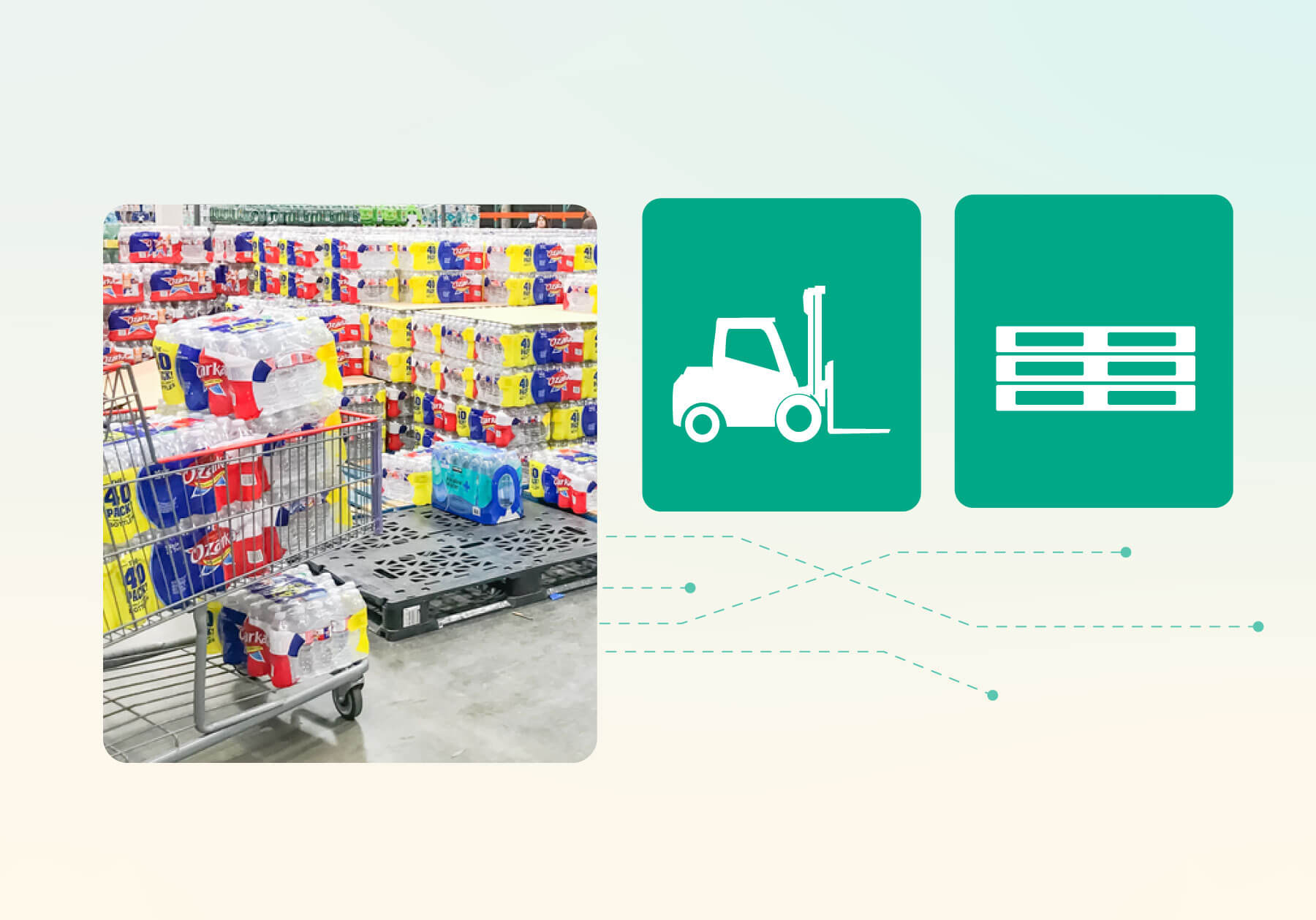
Slip Sheets vs. Pallets in Grocery Distribution
Key Takeaways Slip sheets and pallets both support products during transportation and warehousing, but they serve different purposes. The choice can affect equipment requirements, transportation efficiency, automation compatibility, product protection, and overall operational flexibility. In grocery distribution, slip sheets may be used instead of pallets or alongside pallets to improve product separation and stability. Understanding…
-
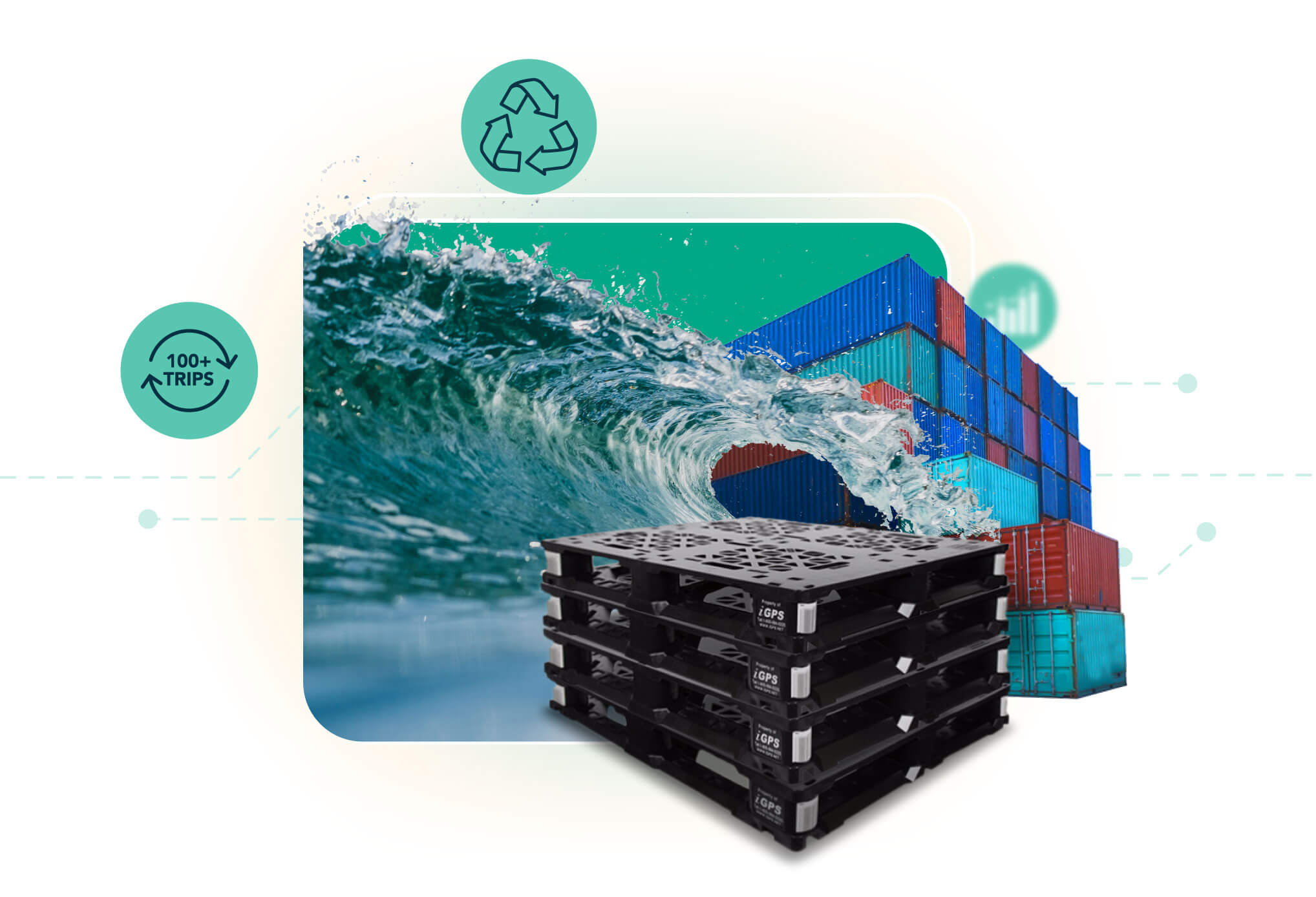
Why Healthy Oceans Matter to the Supply Chain
Key Takeaways: Each year in June, people around the world observe World Ocean Day, which is dedicated to celebrating and protecting one of our planet’s most vital natural resources. The idea for World Ocean Day originated in 1992 at the Earth Summit in Rio de Janeiro. Representatives from around the world gathered to discuss environmental…
-
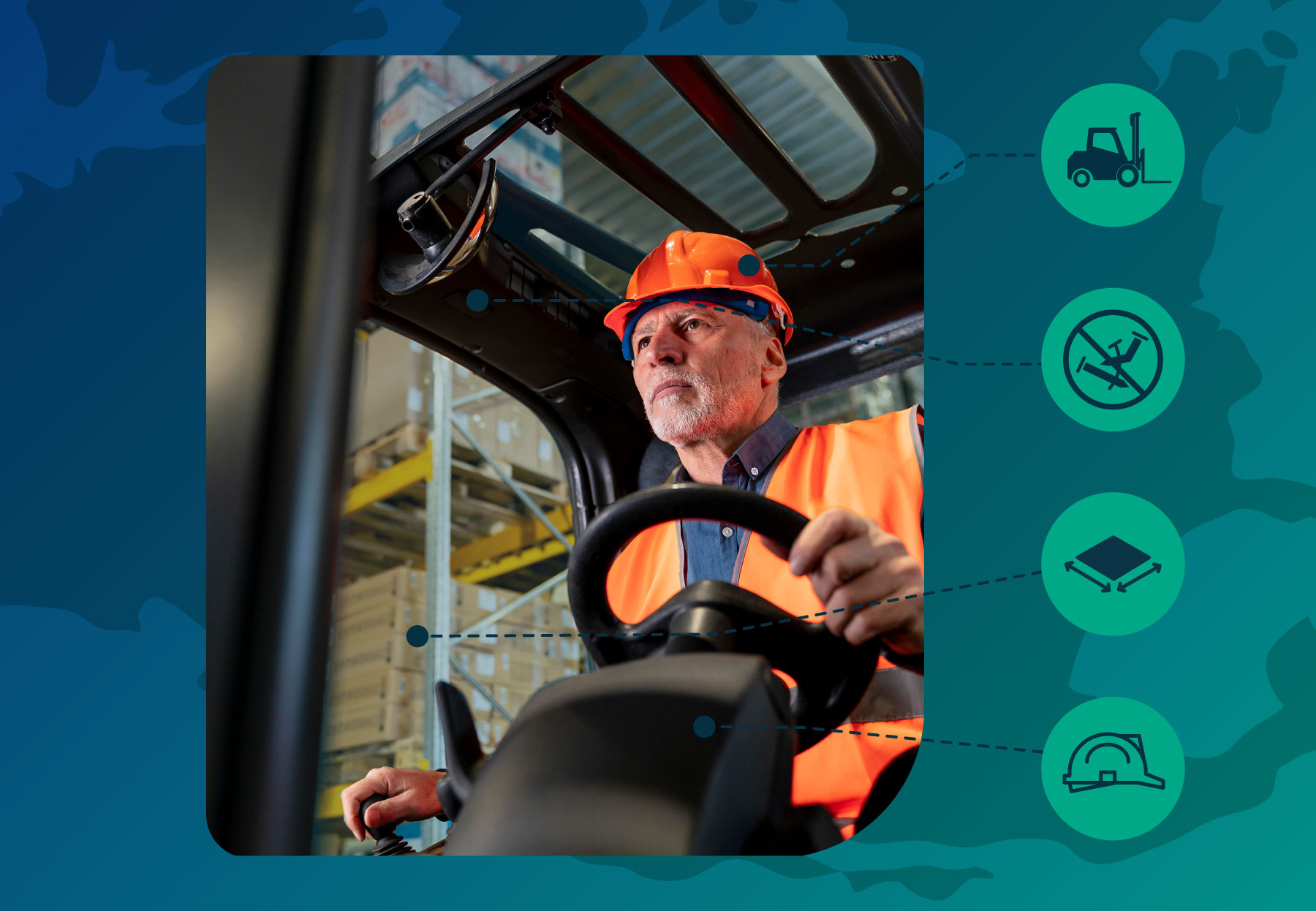
How to Prevent Forklift Damage
Forklift damage is often treated as a normal part of warehouse operations. A bent rack upright, a damaged pallet, a dented dock door, or a dropped load may seem like isolated incidents. In reality, most forklift-related incidents are symptoms of larger warehouse conditions. Congested staging areas, unstable loads, poor visibility, damaged pallets, and rushed workflows…
-
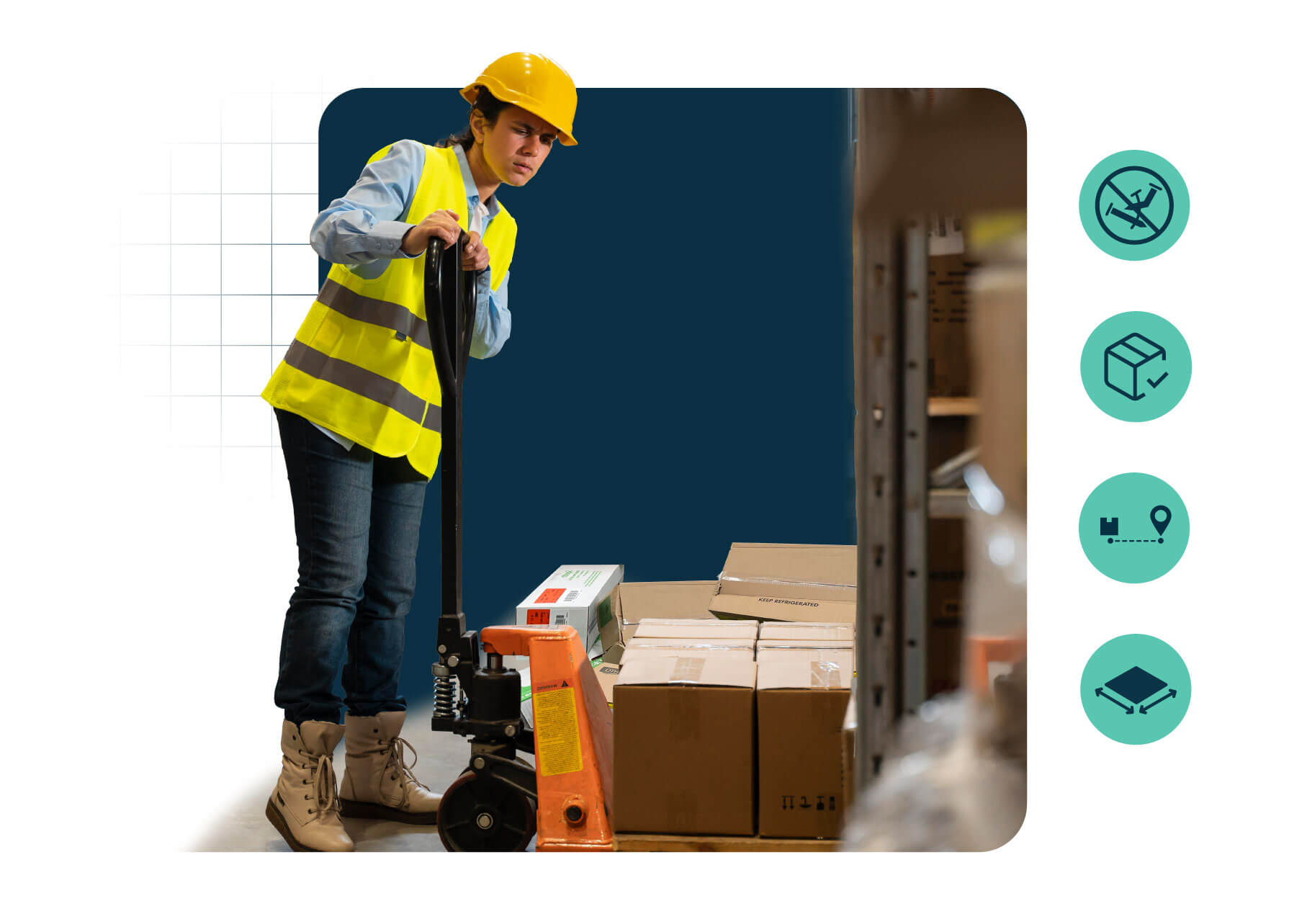
How Damaged Pallets Slow Down Loading and Increase Risks
Key Takeaways Damaged pallets are often viewed as a maintenance issue or a routine warehouse expense. In reality, they can affect labor productivity, automation performance, product quality, equipment reliability, and workplace safety throughout the supply chain. The challenge is that most pallet-related problems develop gradually. Loads continue moving, orders continue shipping, and operations continue running.…
-
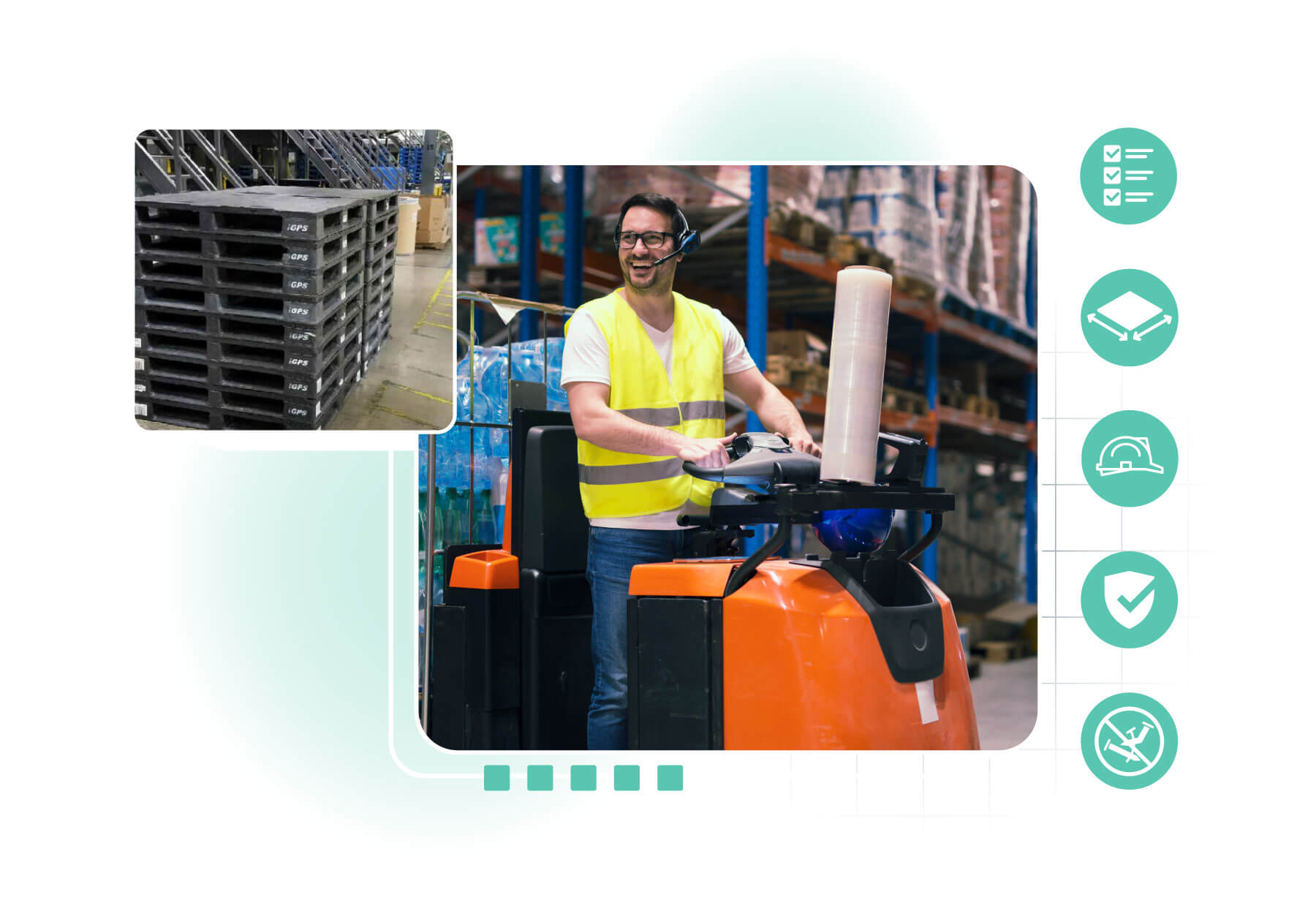
Pallet Safety Tips: How to Keep Your Employees Injury-Free
Key Takeaways Pallet safety problems rarely begin with one major accident. Most facilities notice smaller warning signs first: unstable stacks near dock doors, damaged platforms left in staging areas, shifting loads during transport, or employees manually repositioning heavy pallets under time pressure. Over time, those daily issues create injury risk, workflow disruption, and expensive slowdowns…
-
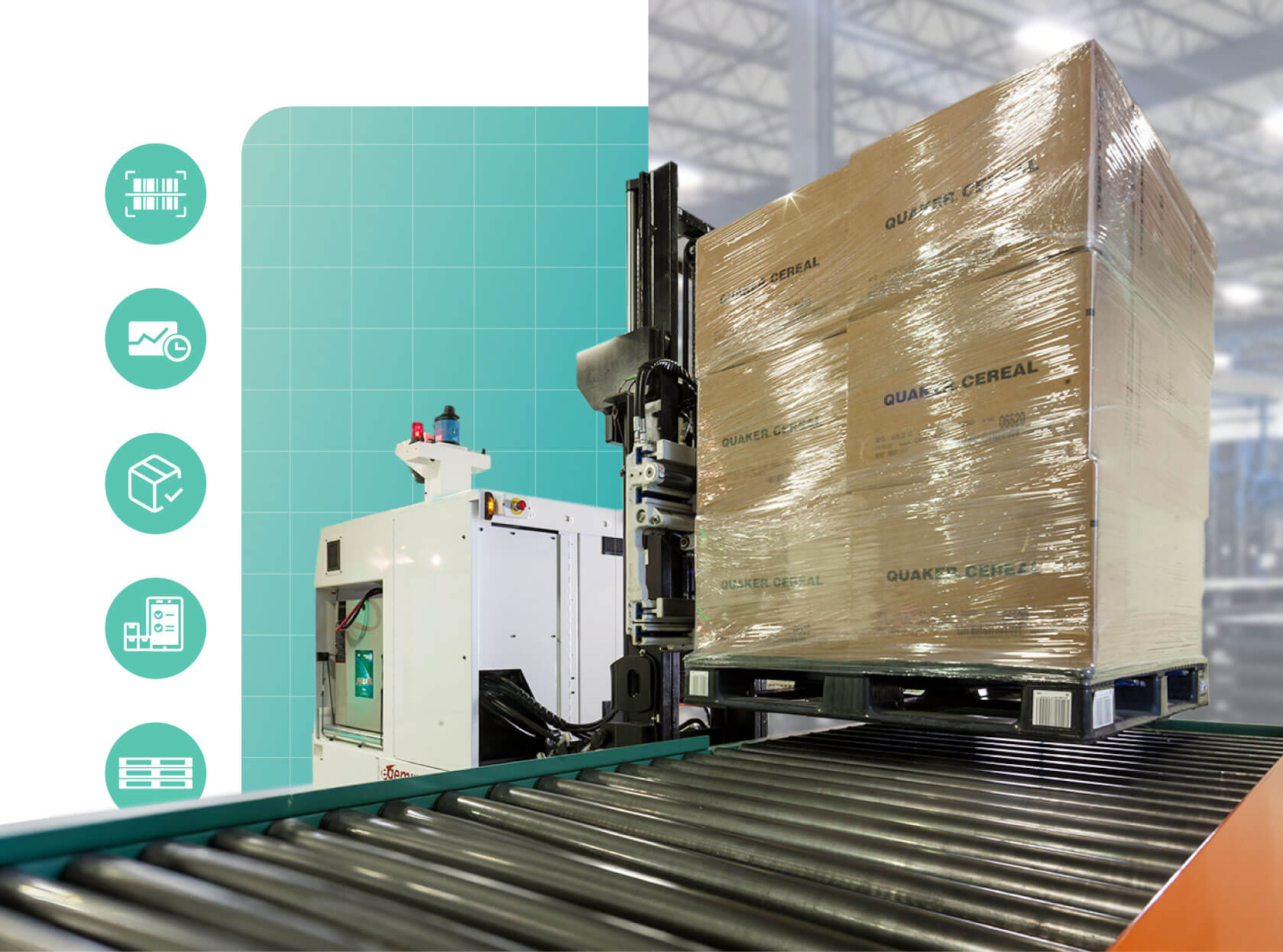
How Private Label Manufacturers Improve Margin Through Better Load Efficiency
Key Takeaways Private label manufacturing has become a margin business. Retailers want competitive pricing, faster replenishment, tighter inventory control, and reliable service levels at the same time. That pressure moves upstream quickly. Operators are expected to protect quality standards while operating with less room for transportation waste, production inefficiency, or inventory imbalance. That pressure is…
-
The True Cost of a Broken Pallet
Key Takeaways: When a wood-block pallet fails and a board breaks or splinters come loose, it’s difficult to measure the true cost to the operation. At first glance, the obvious question is: is it simply the value of the pallet itself? If you remove it from circulation and replace it, and the operation moves on,…
-
The Importance of Supply Chain Resilience
Key Takeaways The last several years exposed how quickly operational flow can break down when transportation networks tighten, suppliers miss production targets, or weather events shut down key regions. Rising transportation costs, labor volatility, and ongoing inventory balancing pressures continue to challenge supply chain operations across North America. Disruption has remained persistent across global supply…
-
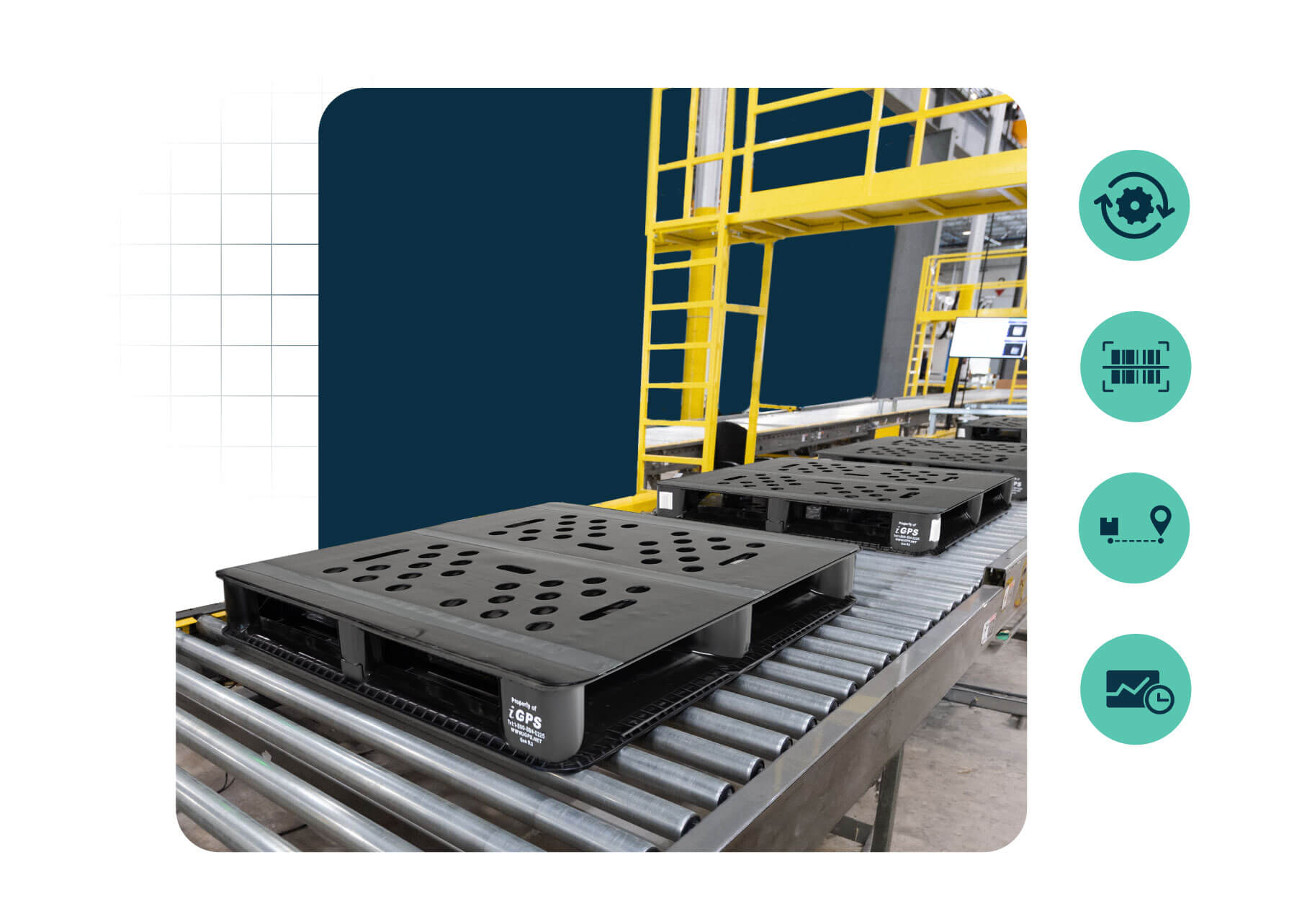
Where Are Your Pallets, Really? The Importance of a Pallet Tracking System
Key Takeaways What Is a Pallet Tracking System A pallet tracking system is a combination of physical identifiers, scan points, and software that records pallet movement at each handoff, creating a time-stamped history of location and flow across the supply chain. Most tracking systems don’t fail because of technology, they fail because they’re not built…
-
Pharma Supply Chain Challenges & Solutions
Key Takeaways How Does the Pharma Supply Chain Work? The pharma supply chain connects sourcing, production, and distribution into one controlled system. It starts with raw material and active pharmaceutical ingredient (API) sourcing, often from global suppliers in regions like China and India. Materials move into pharmaceutical manufacturing, where products are produced, packaged, and prepared…